

The Man Within.
Philosophy°08 The Illusion of Control
by Mihika Malhotra · · 1 min read
“There’s a man in the back of this place. He is the one who is doing it…” (Mulholland Drive, 2001)
What does it mean to control yourself? The answer appears to be quite simple. To control your behavior is to restrain an impulse, regulate an action, or make yourself behave according to some rule. Control requires a controller. Someone or something telling you what you can and cannot do. It does not always take the form of an external force. Sometimes, the most effective form of control is the one that no longer needs to announce itself, because the person being controlled has learned to control themselves. What begins as an external expectation can become an internal habit, until following the rule feels less like obedience and more like instinct.
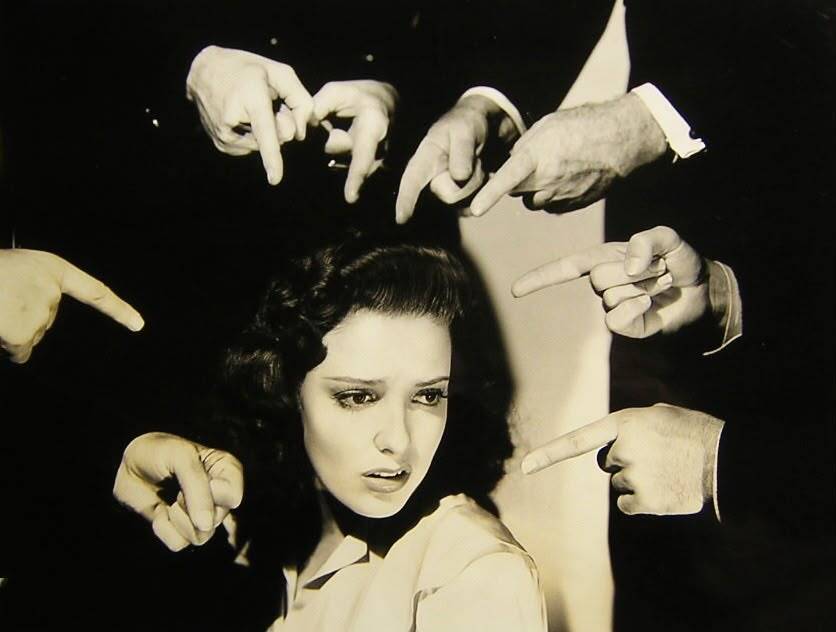
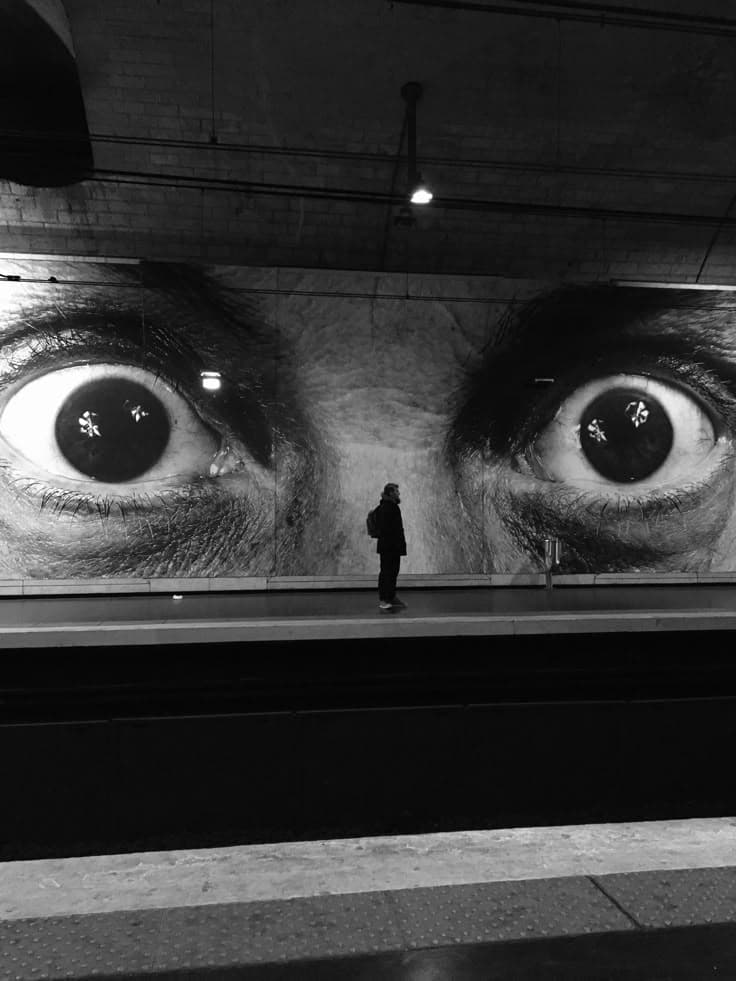
Jeremy Bentham’s Panopticon imagined a circular prison in which a central tower allowed a guard to potentially observe the prisoners without the prisoners knowing when they were actually being watched. The important part was not that the guard was constantly watching. It was that the prisoners could never be certain that they were not being watched. Michel Foucault, a French philosopher, later used this idea to explain a broader mechanism of control. When observation becomes permanent in its possibility, people begin to regulate themselves. The guard does not have to correct every movement because the prisoner begins anticipating the possibility of correction. Surveillance moves inwards, eventually, the person watches and corrects themselves.
The idea of the Panopticon changes our understanding of control. Control does not necessarily depend on someone standing over you. It can operate through the expectation of being seen. Once you know what behavior is acceptable, you begin to anticipate the judgement attached to behaving otherwise. You adjust yourself before anyone asks you to. You become both the person being watched and the person doing the watching.
Thus, raising a far more complicated question: What happens when the person watching you is not entirely you?
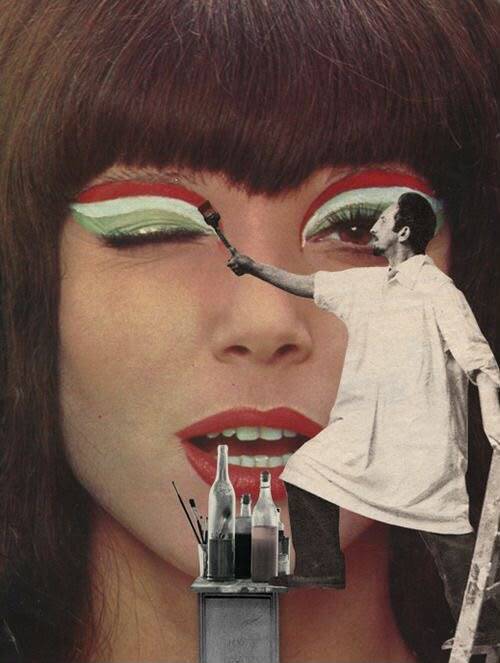
Margaret Atwood gives this question a particularly precise form in her 1993 book, The Robber Bride: “You are a woman with a man inside watching a woman.” There are not literally two people inside her. There is one woman, divided between the person who exists and the person who watches the existence. The “man” within can be understood as the accumulated gaze of a patriarchal world that has taught her what a woman is supposed to desire, refuse, tolerate and become. He is the imagined observer who has learned to speak in her voice. He lives in a woman’s habit to suck in her stomach when she is home alone, he lives in the need to shave before making love, he lives in the decision to try to convince the other person that maybe, eventually, you’ll be ready to have kids, when you don’t need to be. He lives and torments and the woman he resides within, accepts and suffers.
This idea has recently appeared in the form of a trend on TikTok. An ongoing wave of using the sound “there’s a man” has been used to point out, mock and question the small ways gendered expectations and control can enter everyday behavior. Many users connected the trend to Atwood’s quote as the trend turns an invisible observer into something visible enough to question. In doing so, it exposes how often behavior can be shaped by an imagined male perspective. Someone might notice herself wondering why she does not look attractive while crying, even though nobody is there to see her. The humor here stems from recognizing the absurdity of performing for someone who is not physically present. But beneath the humor, we are forced to ask why does the body continue performing when there is no one to perform for?
The answer is not necessarily that a woman consciously thinks, “A man might be watching me.” Most of the time, there is no such deliberate thought. The expectation has become so familiar that it no longer arrives as an instruction. It arrives as a reflex. Nobody has to say that you should look a certain way. Nobody has to tell you that your appearance should remain desirable even in moments when you are alone. The patriarchal expectation has already been absorbed. Similar to Foucault’s Panopticon, Atwood’s man becomes a powerful system of internal control orchestrated by external forces. The possibility of observation produces self-regulation.
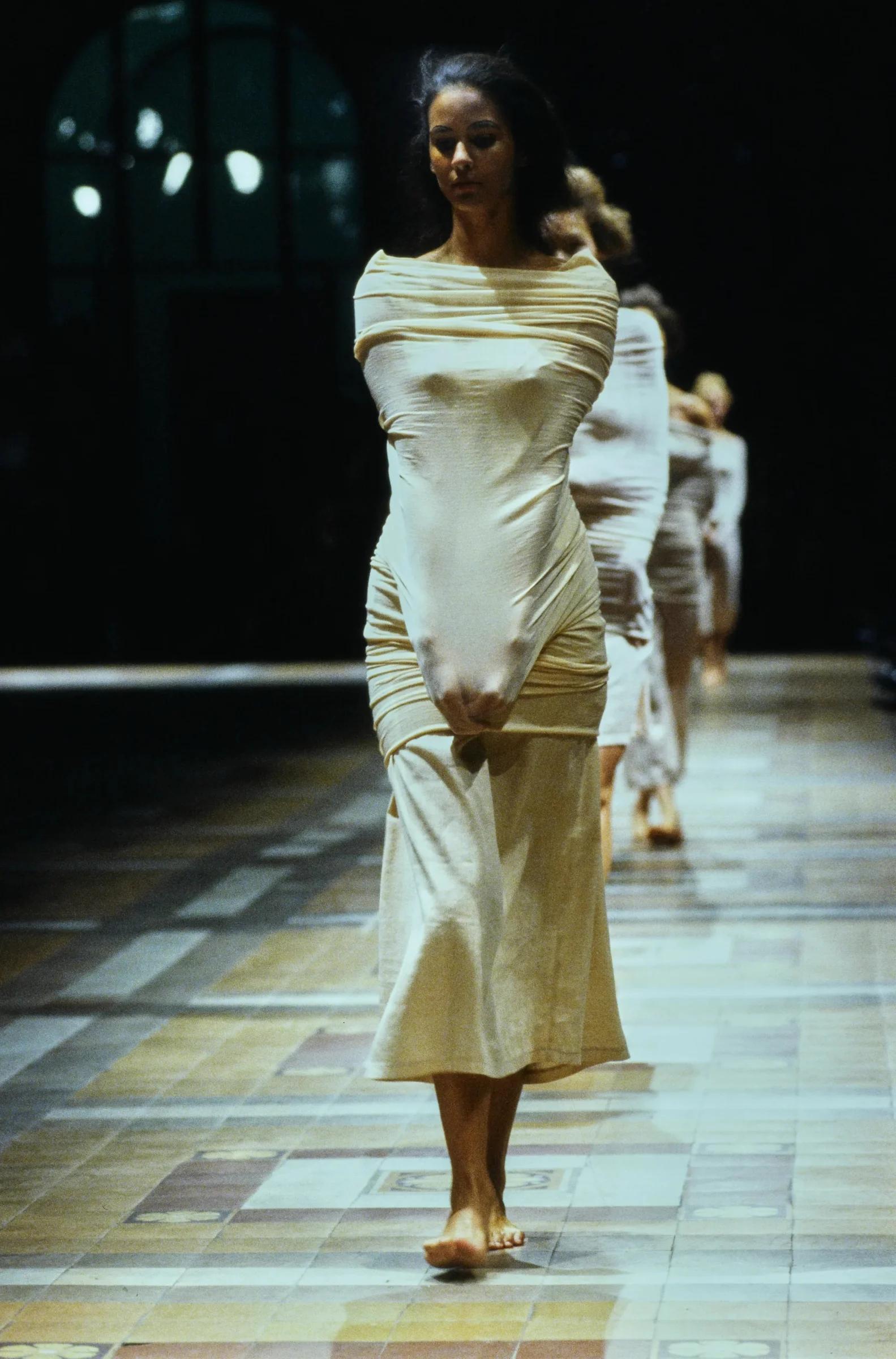
Historically, women have been defined in relation to men rather than being understood as a complete subject in herself. Men occupy the position of the one who defines and measures while women become the one being defined and measured. She is not only a person, but a person in relation to how she appears to another. In Simone de Beauvoir’s words, women remain “the other.” Once the othered woman learns to understand herself as something that is constantly looked at, she can begin to look at herself in the same way. You become conscious of things that might otherwise remain unconscious: how you are sitting, how you sound, how you look, whether you are taking up too much space, whether you are behaving in a way that will be considered acceptable. The control becomes almost impossible to locate because the person exercising it and the person experiencing it appear to be the same person.

However, it would be too simple to say that every choice women make is secretly imposed upon them. That would replace one denial of agency with another. People genuinely have preferences, desires, and the capacity to resist expectations. The more interesting take is not whether a choice is “really” ours, but how much of ourselves is made from things we did not choose. We are all shaped by our surroundings before we are old enough to question them. We inherit ideas about what is normal, attractive, respectable, feminine, masculine, successful, or desirable. Some of these ideas we reject; others we accept; many we never think to question.
The most powerful expectations are often the ones we mistake for instinct. When an expectation becomes familiar enough, it stops feeling external. It can feel like preference. It can feel like common sense. It can even feel like identity. This is why internalized control is so difficult to recognize. It does not necessarily feel like somebody else’s voice. It can sound exactly like your own.
Perhaps this is also why the “there’s a man” TikTok trend matters beyond the joke. By naming these small behaviors, people are making something invisible visible. That moment of visibility creates a small distance between the self and the watcher. For the first time, the behavior can be examined rather than automatically obeyed.

That distance matters because control depends, in part, on remaining unquestioned. Once we can identify the expectation, we can begin to ask where it came from. We can distinguish between a desire and the history that shaped it, between a preference and an expectation, between acting freely and simply repeating something that has become familiar. This does not mean we can step entirely outside society and become untouched by its influence. Freedom is probably not that pure. Nevertheless, freedom can mean becoming conscious of the forces that shape us, rather than allowing them to remain invisible.
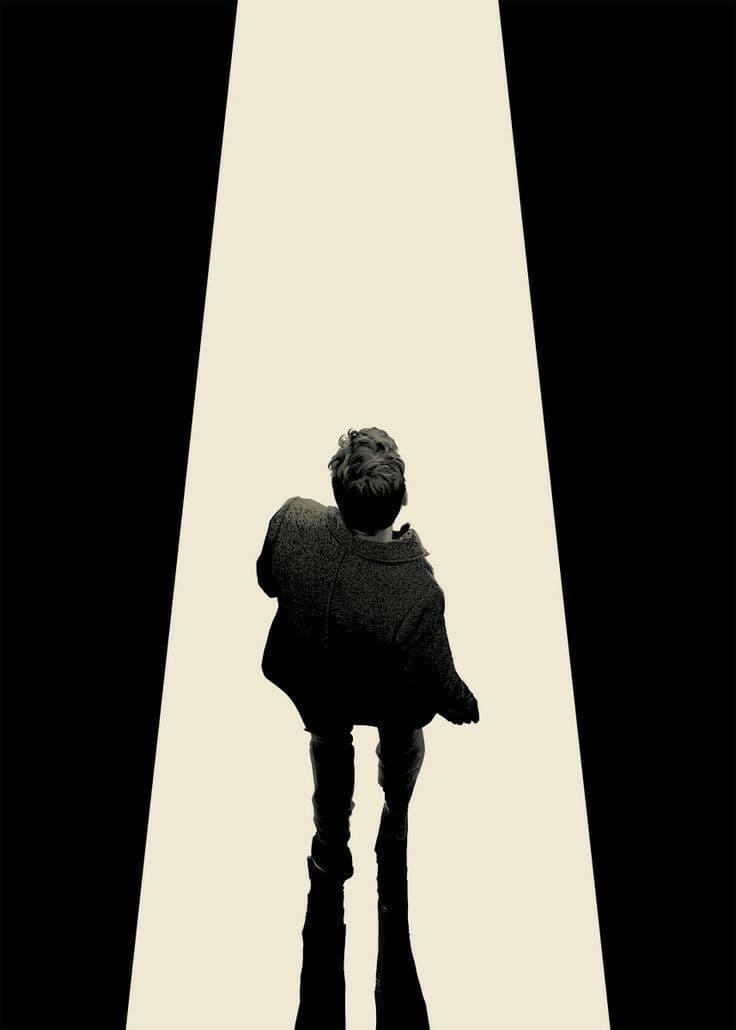
The man within is always lurking.
Every so often, make sure to unsettle him.
And eventually, defy him.








Comments
No comments yet.
Log in to join the conversation.