Icon

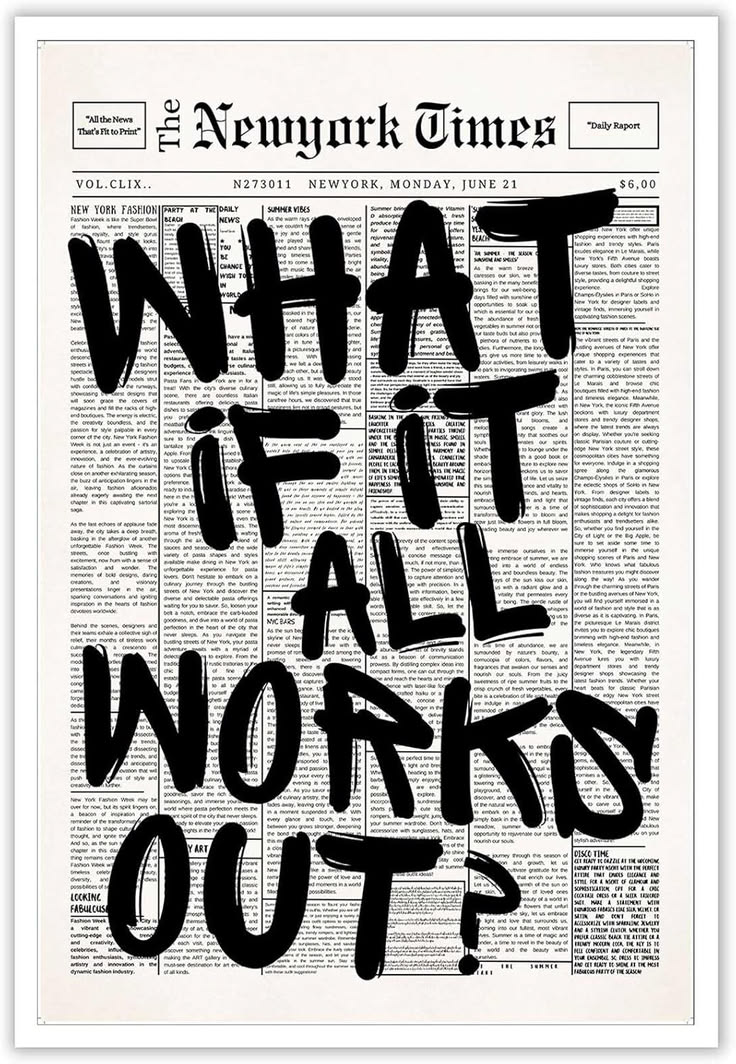
What if it all works out ?

What if it all works out ?

What if it all works out ?

From the 3 AM rabbit-holes on the movie you just watched, to the inquisitive nature of all artists in wanting to explore the limits of possibilities, this month we ask why? Why should I care? When should I start? What if I fail?
by

Ishaan Gangavkar

3 min read

3 min read

Blog Image


Curiosity, I believe, is a defining characteristic of what makes us human, guiding our understanding of the world and, more importantly, what it could become. From the dawn of time, human beings have been driven by the urge to ask questions and by a refusal to accept things as they are. Discovering fire was not enough; we learned to control it. This marked a crucial shift, a pattern of thought rooted in questioning and experimentation. Over time, curiosity—the very trait that led to countless innovations we depend on today—has fundamentally altered the boundaries of knowledge and redefined what we consider possible.


The curious impulse begins as instinct. Childhood is marked by a relentless sequence of “why” that leaves many parents baffled and exhausted. As children, we do not simply observe or accept the world; we touch, taste, and investigate it. Every object becomes a question, and every question reveals a fundamental method of learning and meaning-making. Children doubt everything, and I dare say that it is through this human trait of questioning that philosopher René Descartes declared, “Cogito, ergo sum” — I think, therefore I am. In his extended inquiry into thought, he reveals the inherent nature of human identity: we question not only to gain knowledge, but to exist intentionally in the world.


Yet somewhere along the way, our curiosity is disciplined out of us. Many people, myself included, grew up believing that artistic ability is an innate trait, reserved for a “gifted” few. Accepting this assumption misrepresents creativity and imposes limits. Worse, by accepting those limits, we confine our curiosity to what we already believe is possible and begin to question whether we are allowed to create at all. Creativity, then, becomes less about exploration and more about operating within our current abilities.
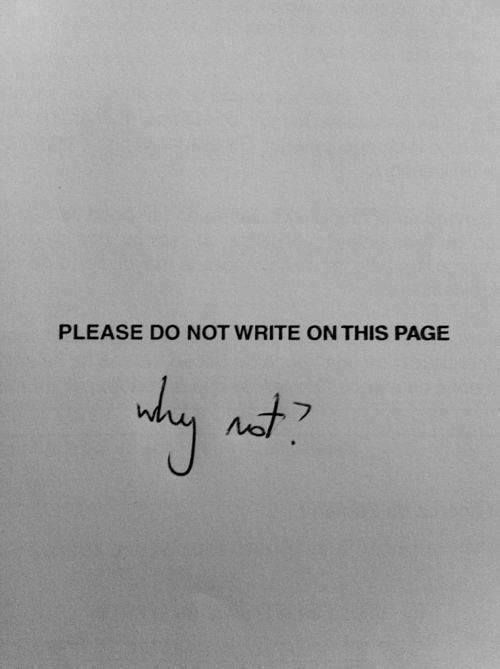
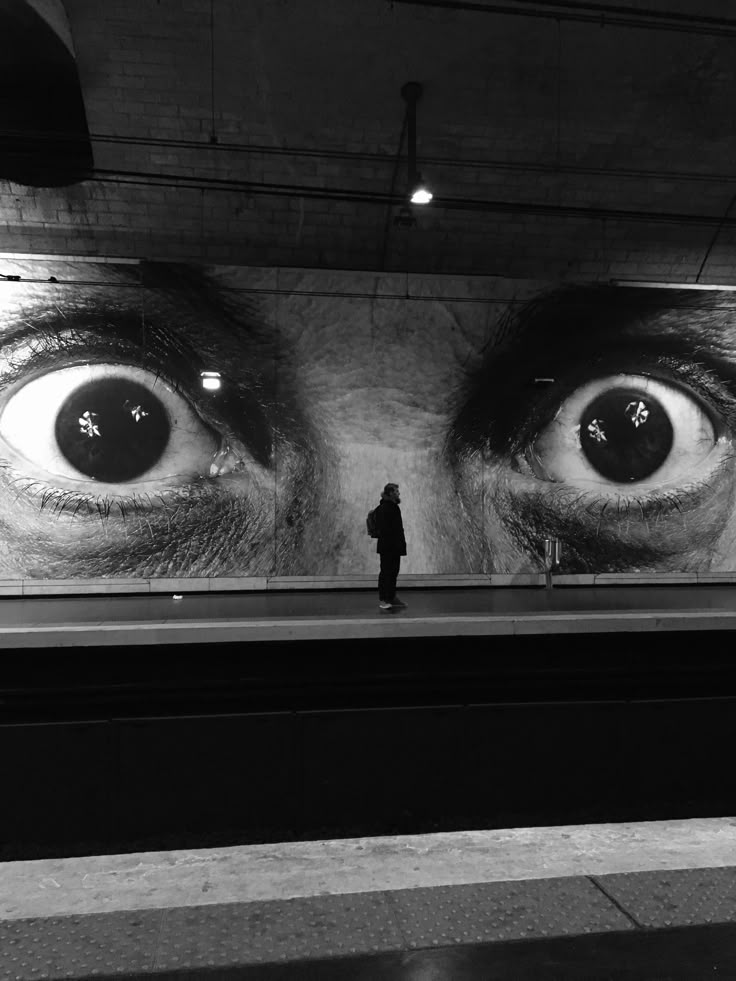
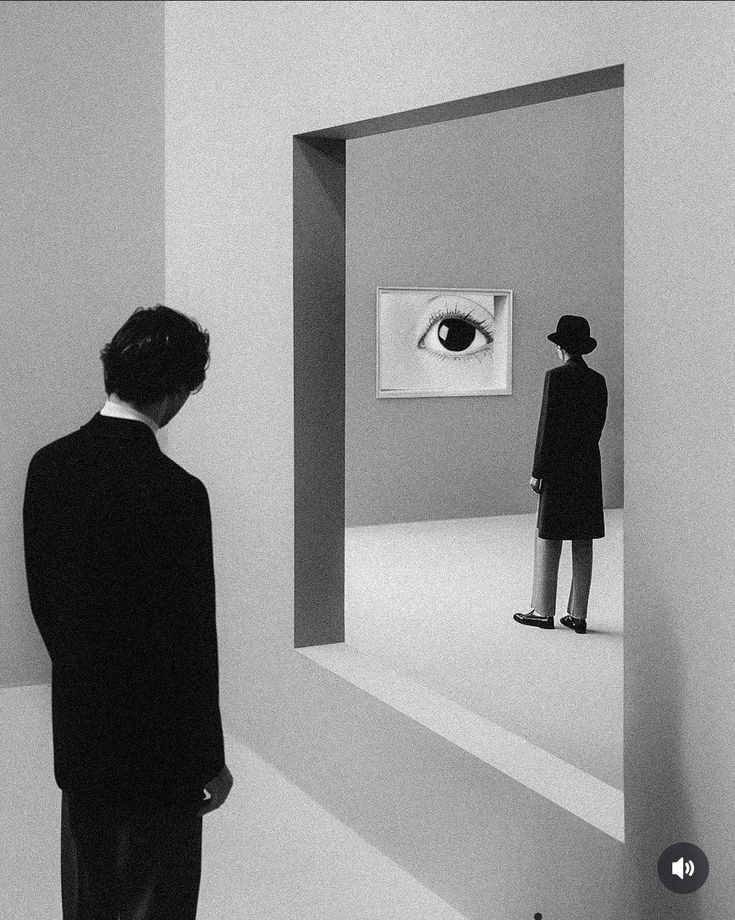
With time, I have come to realise my flawed understanding of the nature of creativity itself. The right to create—to engage in artistic expression—is not something one either possesses or lacks. It is shaped by practice and sustained by an ongoing relationship with curiosity. Creativity comes from the willingness to remain open, to ask questions, and to follow paths when you do not know the outcome. In this way, curiosity is not something that can be forced; it blooms only when it is allowed to lead. Once I shift my perspective, the value of effort changes. Often mistaken for creativity itself, the ability to produce is not how creativity thrives. Discipline is tied to expectations and the need to deliver results, and thus can lead to disappointment. Curiosity, however, functions differently altogether. Stemming from genuine interest, it can take you places that years of discipline cannot. By triggering an instinct for exploration, curiosity allows creativity to thrive and to flourish, creating an energy that sustains itself.


Now, recovering that childlike sense of curiosity feels more important than ever. As children, we see the world with a candor that is harder to maintain as we grow older: less anxiety about outcomes, fewer fears of making mistakes. Exploring something new comes naturally and is our primary way of learning. Over time, we become focused on results, on ensuring things are done “properly.” But through endless repetition of an unstimulating routine, creativity cannot thrive. Allowing ourselves the space of uncertainty lays the groundwork for creation. Not knowing how to start, not knowing when something is good, not knowing when to stop—we must approach creation with a beginner’s eye and recover that childlike sense of play when making something intentionally.


I am convinced that artists are more than observers of this world; they play a crucial role in reimagining how the world sees itself. Coming from a place of inquiry or doubt—no matter how small or abstract—artists are led by their imaginations and curiosity. Their creativity becomes a way to navigate what is and what could be, bringing to life ideas that can be seen, heard, or experienced by themselves and, sometimes, by the masses.


Fiction has always been the most impressive genre to me. To imagine people, stories, and sometimes even entire worlds—and to bring them to life through narrative work—is remarkable. Many of the most famous works of fiction, from classics like Orwell’s 1984 to J.R.R. Tolkien’s epic The Lord of the Rings, craft intricate imaginary worlds and have had an enduring impact on literature and culture. Guided by the question “What if?”, these authors unfold entirely fictitious worlds, rich with histories and values that guide meaning. Emerging from their sustained engagement with the realm of possibilities, they materialise their questions through literature into something tangible, showing just how far curiosity can take us when we are not constrained by what is “real” or by the limits we think exist.


This leaves me wondering: if living a creative life is not about answering questions but about remaining in a state of curiosity—constantly asking—then perhaps, in time, we will learn how to ask the right questions. The right questions may hold the answers we so desperately desire and guide us in sustaining our curiosity.


So, to you, dear reader, I want to ask: What if? What if you start that painting? What if you put out that song? And what if you keep doubting the limits of what you think is possible?

Keep Reading

0%

Keep Reading

0%