Brand Logo
Icon

Creativity in the Age of the Infinite Archives

Creativity in the Age of the Infinite Archives

Creativity in the Age of the Infinite Archives

In an age where social media has become one of the main windows through which we interact with the world, it is important to critically analyse the effects these platforms and the ones who wield power in these spaces have over the creative processes of artists. In this article, we delve deep into the curious world of Instagram archive accounts and their solidifying position as descendants of the art gallery as cultural curators of the digital era.
by

Emil Voss

4 min read

4 min read

Blog Image

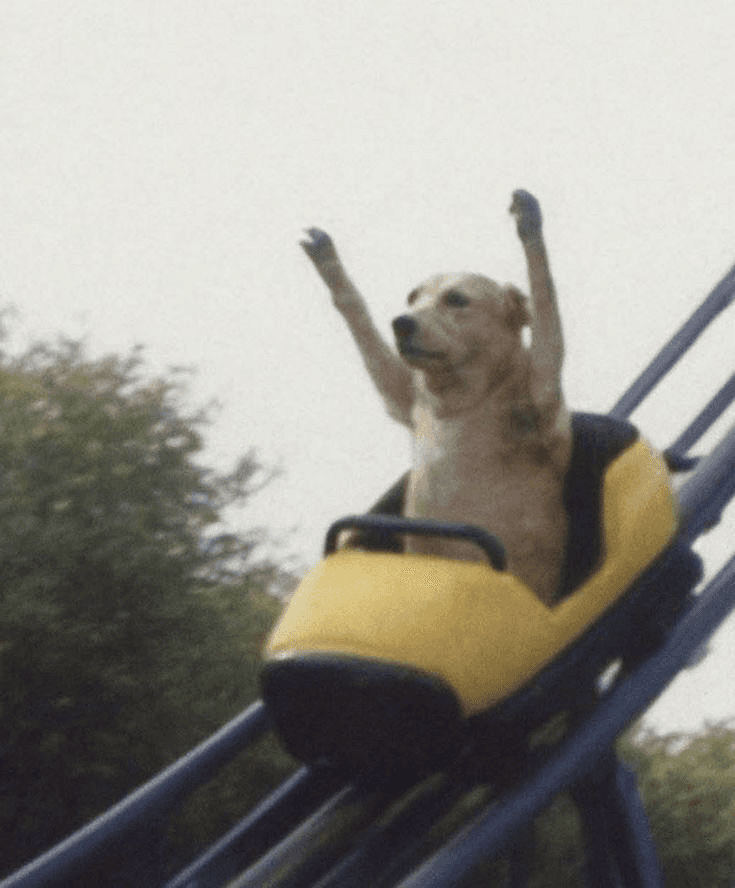
@tannerclarkfuckingsucks


If you're reading this article, chances are you've probably come across it through social media. One social media platform or another must have figured that you would enjoy this one. And I guess you did too... When you think about it, this kind of grip that social media platforms have on our habits, interests and artistic tastes is quite astounding. Just like most of us seem to get our fancy dinner recipes from that one unnecessarily cool Instagram cook we like, we also tend to find the next movie we want to watch with our cinephile friends or the next album that we will sing along to under the shower for the next week, through social media.


The more optimistic outlook on this fascinating phenomenon would be that we perhaps live in a time which makes it as easy as humanly possible to share your art with the world and be inspired by the art of others. And yet, I'm guessing that in most of your heads, dear readers, this might not be a regular reflection you come across. That is, of course, because social media also seems to turn us into slaves to an unending river of content, most of which we don't really care about enough to remember encountering it just minutes later.


There seems to be a shared sentiment among young creatives that social media promotes a mode of interaction based on endless, impulsive consumption, which provides just about enough mental stimulation to keep us from creating. An endless spiral of (self-)judgment and comparing our, often potential, work to the work of others. It is exactly this paradox of social media theoretically being an open window to the world and a source of unlimited inspiration, while also proving to be completely detrimental to the creative mind, which this article will delve into. 


It is exactly this paradox of social media theoretically being an open window to the world and a source of unlimited inspiration, while also proving to be completely detrimental to the creative mind, which this article will delve into. 


Let us start by quickly reviewing the logic which governs the interaction of social media platforms and the art world. The obvious attraction of artists to social media comes from the democratisation of exposure, which it had promised. Artists no longer have to rely on art galleries, publishers or music labels to publish their work.


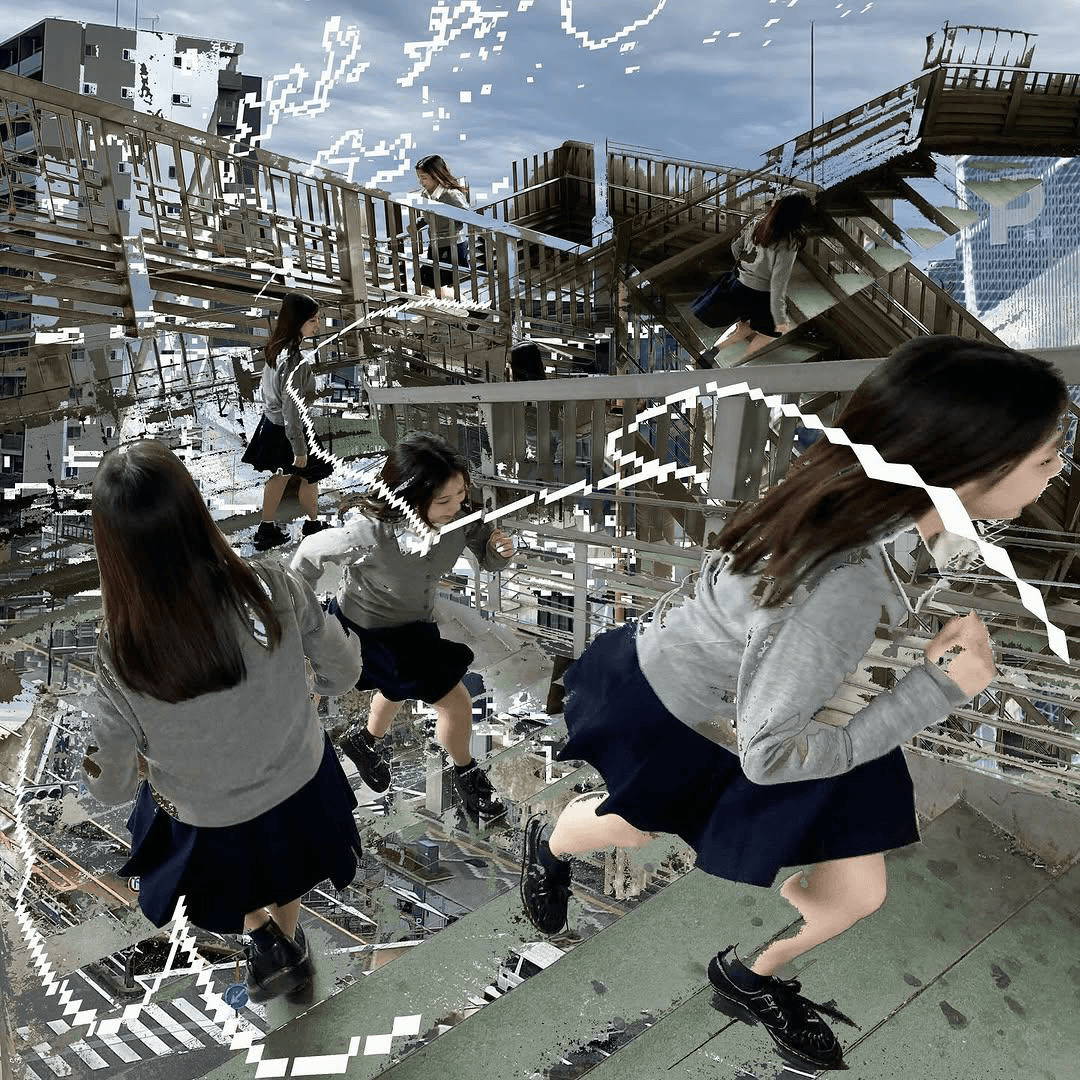
@byrottenbird


You can now just get on Instagram, post your work and pray for virality. It would, obviously, be extremely foolish to discount this insane empowerment of artists, granting them the power to claim agency over the distribution of their work. It is, however, important to keep in mind that our agency in this context is still quite limited, considering that ultimately we are always dependent on an algorithmic logic, which governs if and by whom our art will be seen.


It is this issue of algorithmic visibility, which is an often omitted aspect of the impact that social media has had on the creative minds of the world. As crazy as it sounds, art no longer needs to resonate with other people alone, but also with algorithms. This, of course, comes at a detriment to traditional artistic value, with creatives being forced to look more outward than ever to find inspiration for "viral art" and ways of presenting it in a short-form, attention-demanding format which seems to rule in the realm of social media. 


It is, after all, an attention economy which we now have to navigate. This aspect of social media, however, does not only affect the type of art which we strive to produce, but also whether we create at all. It would be completely absurd to claim that artists are any different to the general public in the ways in which they use social media. In fact, some would argue that we are even more likely than others to get stuck in spirals of endless scrolling and cognitive overload.


While it would, of course, be nice to simply be able to use social media platforms only as cultural producers, the entire logic which governs those platforms is centred around capturing one's attention for as long as possible. This includes our attention.


We do, therefore, get stuck in impulsive cycles of scrolling, liking, and commenting while constantly comparing ourselves to others. 


While it is, of course, true that social media often inspires artists, we have, just like seemingly everyone, been rendered into digital consumers of content, and this has key consequences for our creative capabilities. Consuming is, after all, the polar opposite of creating. It should not, therefore, come as a surprise that we have so much trouble motivating ourselves to shift from the seamless and comfortable experience offered to us by social media to one of creativity characterised by vulnerability and discomfort necessary to create "good" art. In this sense, then, it is key to fight this impulsive need to consume and let ourselves stop for a moment to look inwards. 


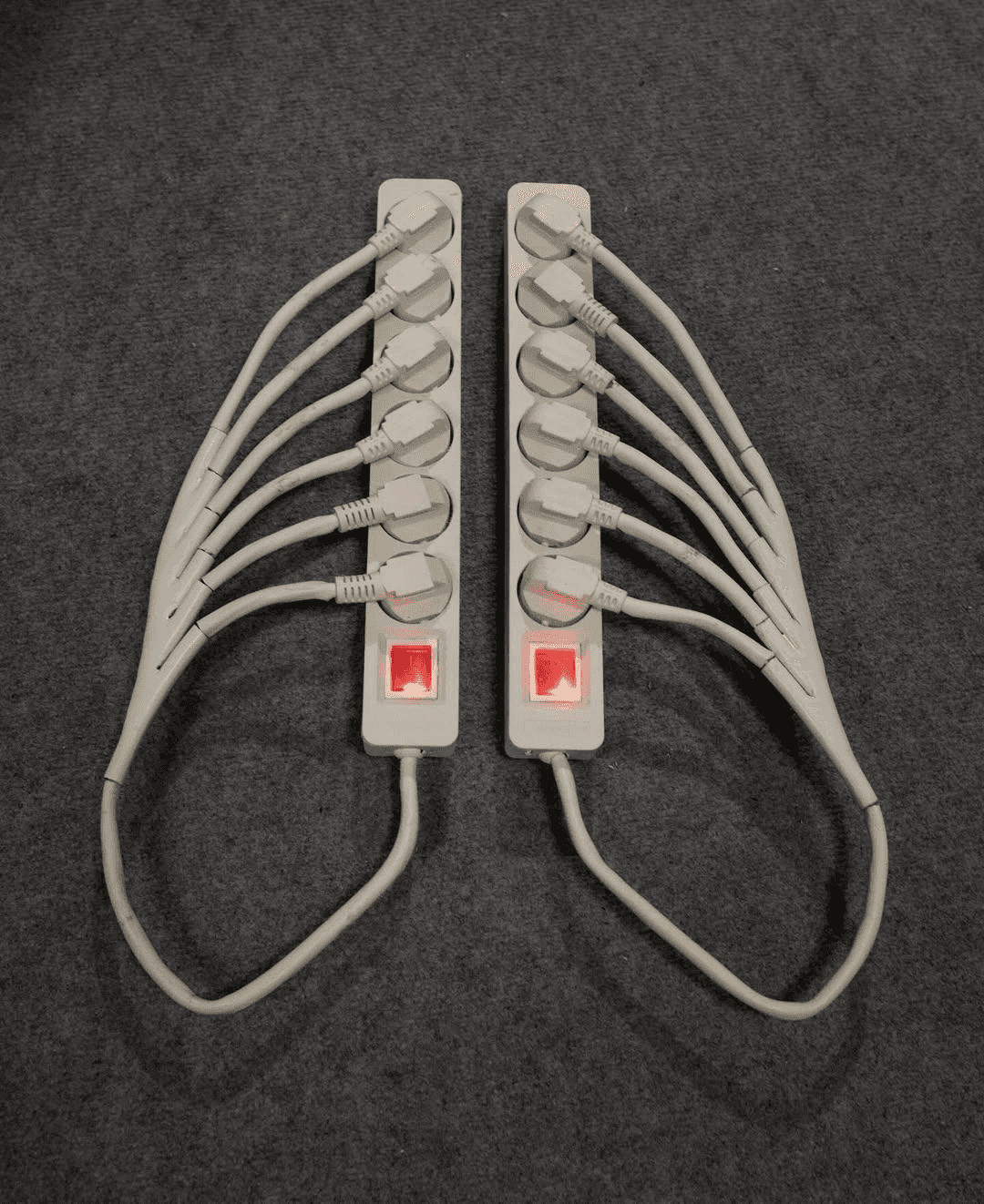
@byrottenbird


While it would, of course, be nice to simply be able to use social media platforms only as cultural producers, the entire logic which governs those platforms is centred around capturing one's attention for as long as possible. This includes our attention.


We do, therefore, get stuck in impulsive cycles of scrolling, liking, and commenting while constantly comparing ourselves to others. 


While it is, of course, true that social media often inspires artists, we have, just like seemingly everyone, been rendered into digital consumers of content, and this has key consequences for our creative capabilities. Consuming is, after all, the polar opposite of creating. It should not, therefore, come as a surprise that we have so much trouble motivating ourselves to shift from the seamless and comfortable experience offered to us by social media to one of creativity characterised by vulnerability and discomfort necessary to create "good" art. In this sense, then, it is key to fight this impulsive need to consume and let ourselves stop for a moment to look inwards. 


Social media, then, has done much more than minimise our attention span to that of a goldfish. We seem to have lost the ability to look inwards for inspiration. We seem to fall into the trap of constantly chasing validation and comparing ourselves to others through engagement metrics like likes or followers, while forgetting that this was likely not why any of us started making art. There is, therefore, a clear need for artists to critically investigate their relationships with social media.


Perhaps we should all take a page out of Cillian Murphy's book and abandon social media altogether. On the other hand, can we truly afford that? We might, after all, go viral tomorrow, and we might forget all about this... 


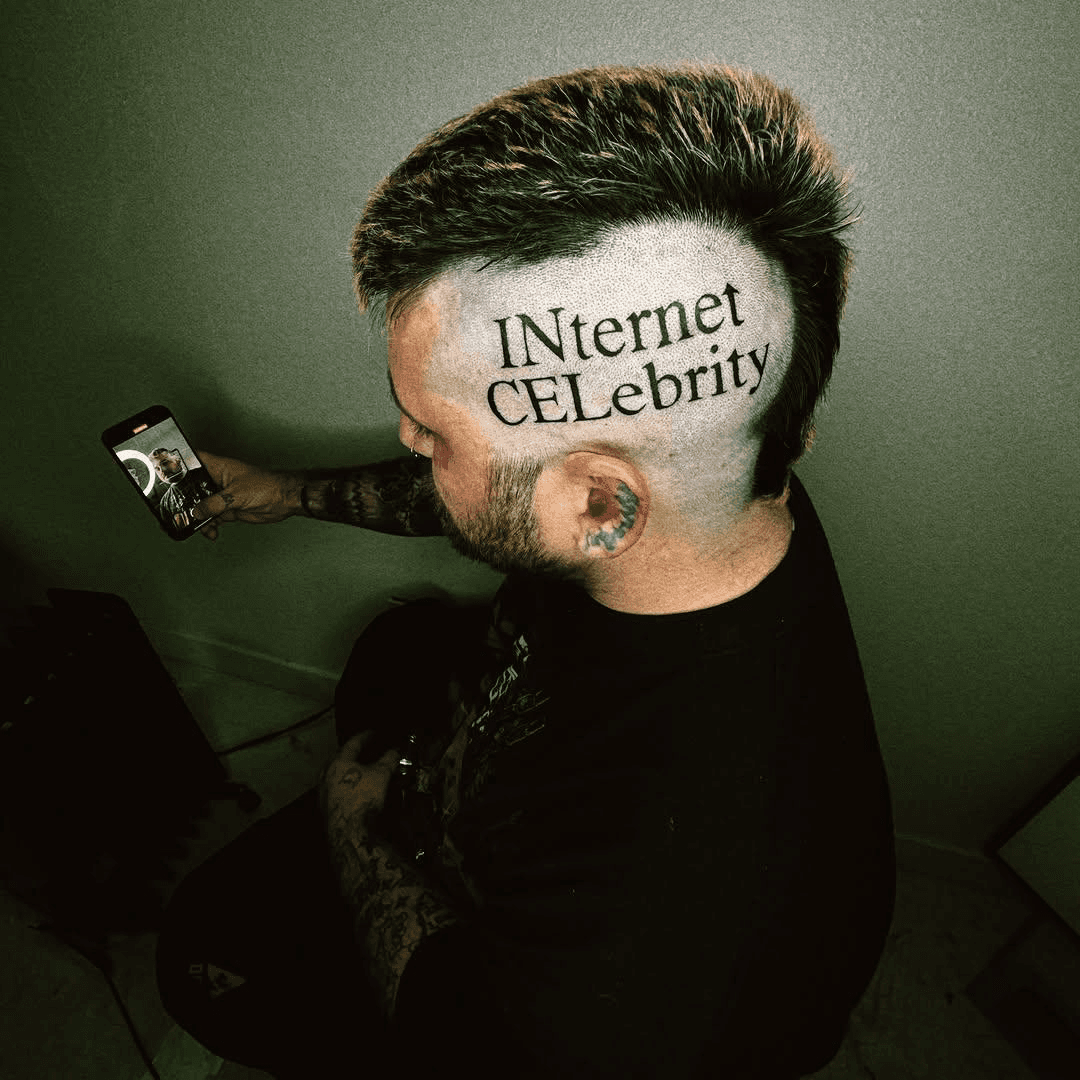
@aplasticplant

@bastiencuenot


Social media, then, has done much more than minimise our attention span to that of a goldfish. We seem to have lost the ability to look inwards for inspiration. We seem to fall into the trap of constantly chasing validation and comparing ourselves to others through engagement metrics like likes or followers, while forgetting that this was likely not why any of us started making art. There is, therefore, a clear need for artists to critically investigate their relationships with social media.


Perhaps we should all take a page out of Cillian Murphy's book and abandon social media altogether. On the other hand, can we truly afford that? We might, after all, go viral tomorrow, and we might forget all about this... 


You can now just get on Instagram, post your work and pray for virality. It would, obviously, be extremely foolish to discount this insane empowerment of artists, granting them the power to claim agency over the distribution of their work. It is, however, important to keep in mind that our agency in this context is still quite limited, considering that ultimately we are always dependent on an algorithmic logic, which governs if and by whom our art will be seen.


It is this issue of algorithmic visibility, which is an often omitted aspect of the impact that social media has had on the creative minds of the world. As crazy as it sounds, art no longer needs to resonate with other people alone, but also with algorithms. This, of course, comes at a detriment to traditional artistic value, with creatives being forced to look more outward than ever to find inspiration for "viral art" and ways of presenting it in a short-form, attention-demanding format which seems to rule in the realm of social media. 


It is, after all, an attention economy which we now have to navigate. This aspect of social media, however, does not only affect the type of art which we strive to produce, but also whether we create at all. It would be completely absurd to claim that artists are any different to the general public in the ways in which they use social media. In fact, some would argue that we are even more likely than others to get stuck in spirals of endless scrolling and cognitive overload.


@bastiencuenot

Keep Reading

0%

Keep Reading

0%