Brand Logo
Icon

Act Now. Think Later

Act Now. Think Later

Act Now. Think Later

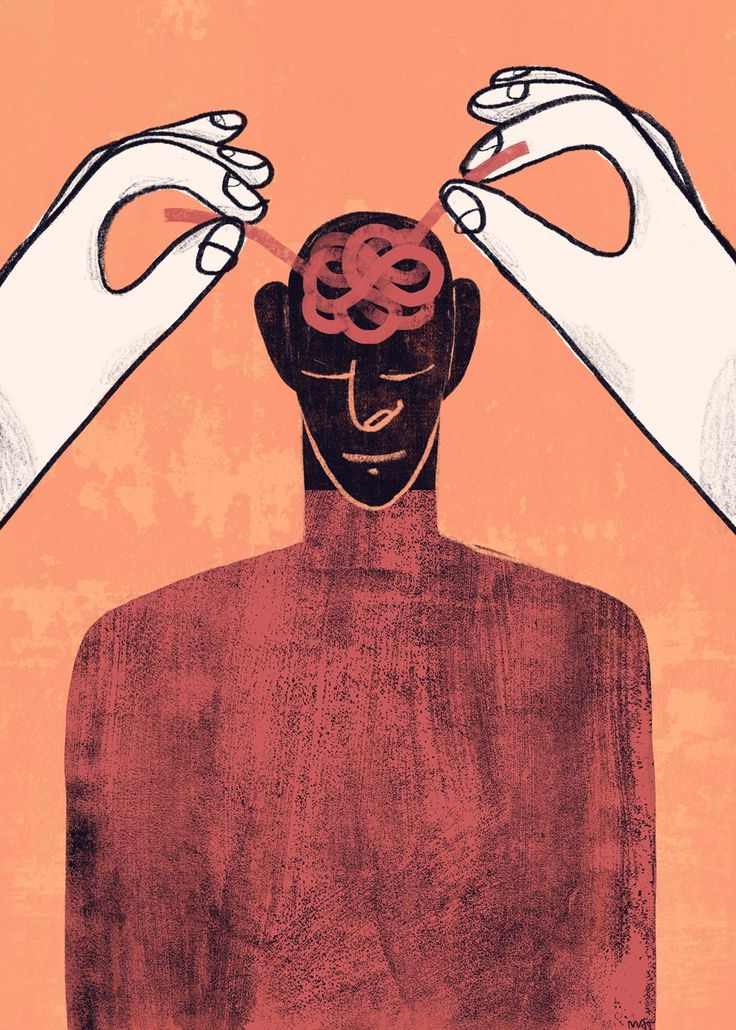
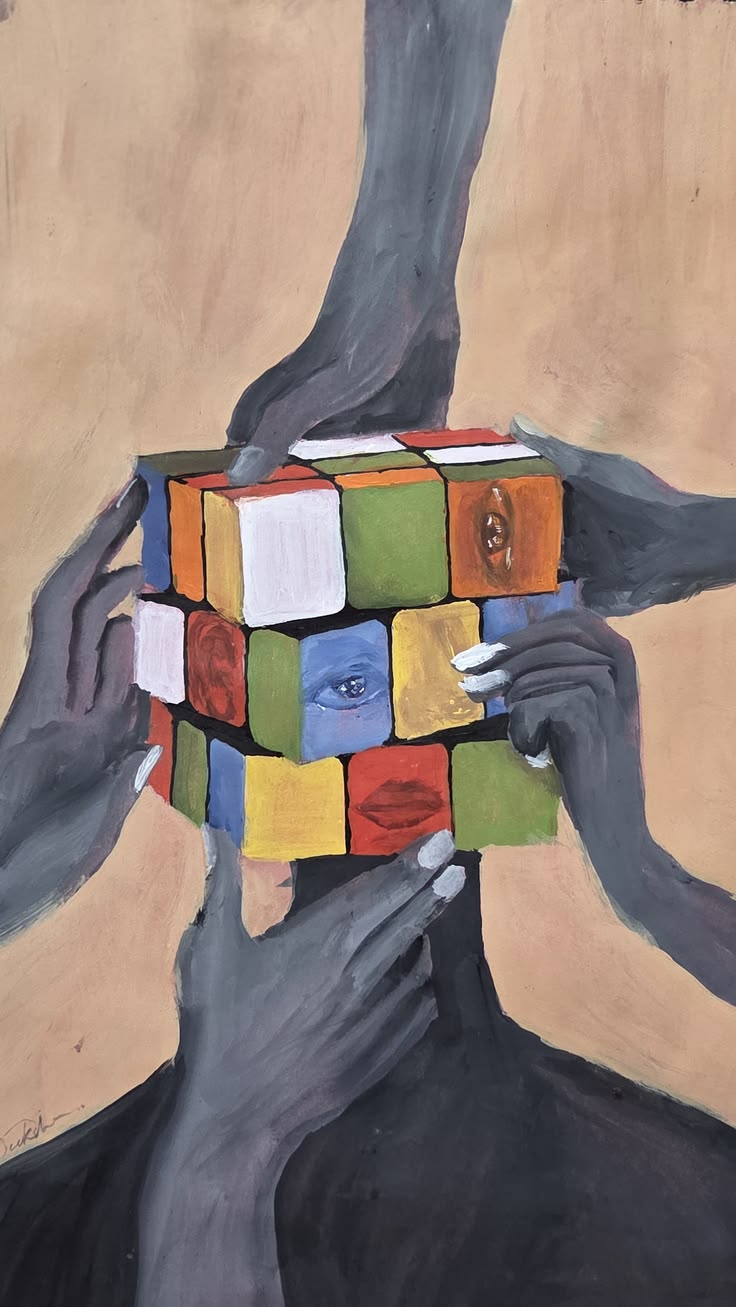
I'm positive you had plenty of great ideas, but let them slip away far too often. Here's how to fix that...
by

Ishaan Gangavkar

2 min read

2 min read

Blog Image

"The tendency to act suddenly without careful consideration."


Impulsivity, more often than not, is framed with negative connotations, linked to irrational behaviour and poor judgment. A common saying, "to think before you act", is taught to us at a young age, implanted to ensure we measure consequences, act rationally and avoid making hasty decisions driven by emotion alone. Across various areas of our lives, this warning is necessary. Yet for the creation of good art, the opposite could not be truer.


Impulsivity, for artists, is the backbone of creation. It serves as a response, urging us to create before doubt can seep into our minds. It is through following those impulses that have blessed us with the incredibly talented artists who have left an imprint upon this world. Creativity begins with instinct, so perhaps within art, the willingness to trust those impulses is crucial.


That leaves me wondering, how can we as artists learn to listen to our impulses, to sharpen our minds and to create in those fleeting moments?


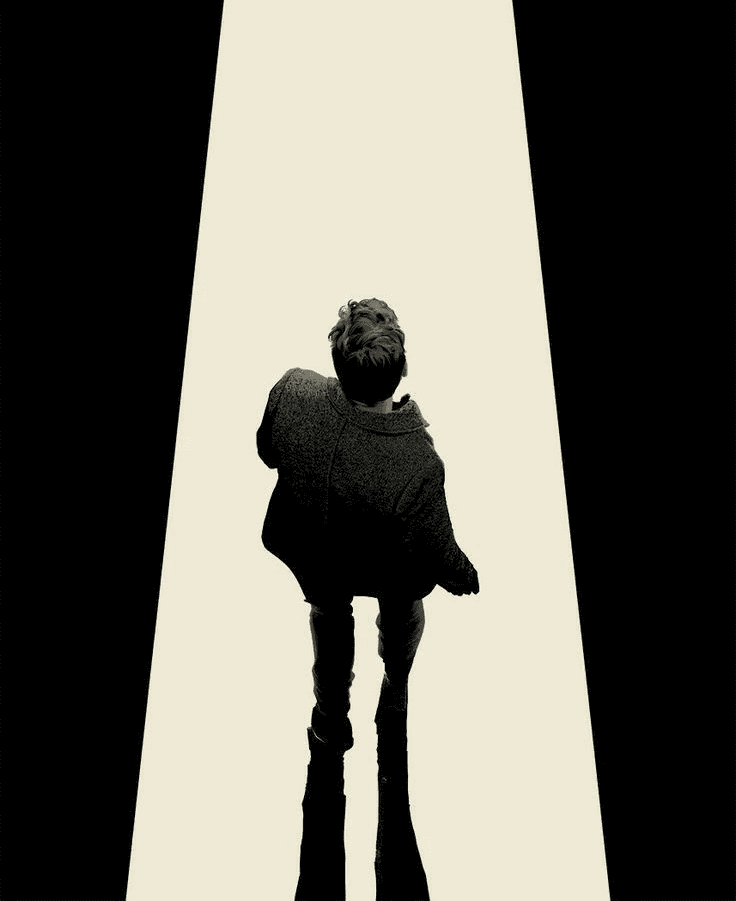
First ideas are rarely perfect. Sparking in our minds in those brief minutes before we fall asleep or while staring out a window on a long train ride. Without warning or explanation, something begins to feel alive. Suddenly, before you can acknowledge it, you begin tapping the rhythm on your leg. Your blink, and that impulse is gone. Rational thought follows, taking control of your mind, and doubt creeps in. Does this even make sense? Is it original? Is this good enough? And before we can act, the essence of that impulse disappears.


Maybe some impulses are not meant to be questioned. Maybe they exist simply to be followed.
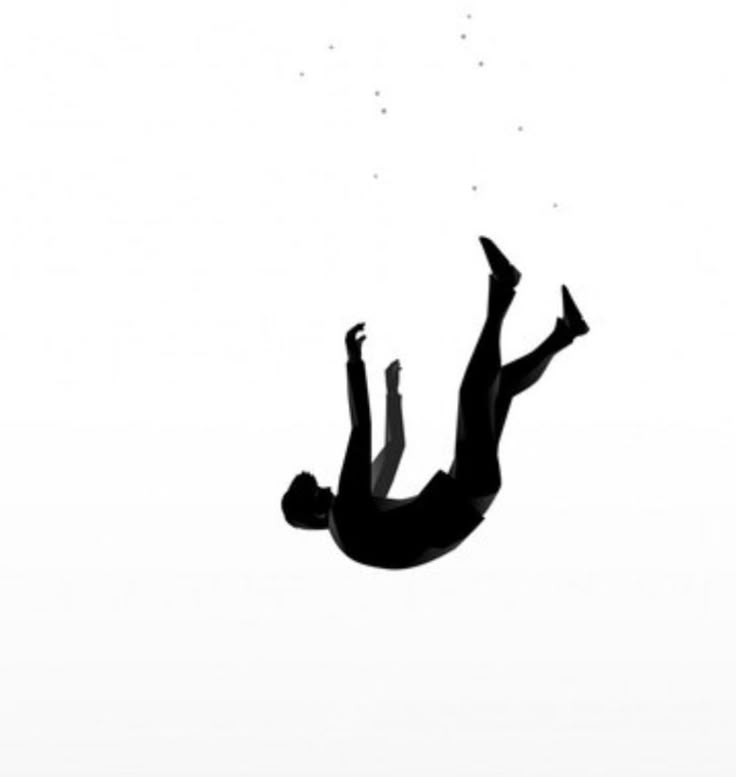


Acting on those impulses is the most authentic and honest thing an artist can do. Before the mind can calculate effort or outcomes, there lies in wait a brief moment, the idea belonging entirely to you. Unwavering in the face of fear or expectation, that impulse appears pure. All of us artists begin creating without knowing where it will lead. The writer, nervously fidgeting at his desk, starts a sentence before knowing where it will go. Even now, while writing this piece, I find myself clinging to ideas, praying that the words I write can lead me to the next. Yet in this space is where creation thrives. In acting on impulses before it makes any sense.


What intrigues me most is the ability to decipher when those impulses choose to reveal themselves. Why now, why not when I lay in doubt, why do they appear with such subtlety, gracing my mind for a split second? No strike of lightning, commanding me to create a masterpiece. Much to my dismay, those impulses arrive through fascination. Recurring thoughts despite our attempts at ignoring them. A sentence left lingering in our mind, a conversation we simply cannot forget, this emotion we fail to express. Maybe those impulses extend out of our curiosity with that particular subject. Maybe that impulse appears exactly when it was meant to appear. That impulse is a signal that something unresolved is waiting to take form. For an artist, it's a signal to create, to express that impulse through their art. Through excessive stimulation, we have lost our body's ability to recognise meaning long before it carries any meaning, or we can articulate it. Now I urge the reader to think about the last impulse you let slip away.


Maybe some impulses aren't meant to be understood; maybe all they need to be trusted. Maybe all they need is our willingness to follow that impulse, regardless of how little sense it makes. Once we hone the ability to recognise and act on those impulses, we become the true masters of our art. Being aware of those impulses and being able to express your emotion, whatever form that might take, from excitement to confusion, we uncover a new layer of complexity hiding in plain sight. And luckily for me, these words allow me to do exactly that.


Conditioned to trust logic over impulse and to rationalise every thought and emotion, we have lost the capacity to trust our minds. Harnessing the power of acting on your impulses can immensely expand one's creative process. Begin by making a note of the impulse, and act immediately. Pick up your pen, paintbrush or instrument. Before doubt comes to poison your mind, immerse yourself fully within that impulse, and let it guide you before demanding explicit understanding. Sometimes, it is only after acting on that impulse that the meaning underneath reveals itself. Maybe it is only through the expression of art that artists truly understand.


Maybe some impulses aren't meant to be understood; maybe all they need to be trusted. Maybe all they need is our willingness to follow that impulse, regardless of how little sense it makes. Once we hone the ability to recognise and act on those impulses, we become the true masters of our art. Being aware of those impulses and being able to express your emotion, whatever form that might take, from excitement to confusion, we uncover a new layer of complexity hiding in plain sight. And luckily for me, these words allow me to do exactly that.


Conditioned to trust logic over impulse and to rationalise every thought and emotion, we have lost the capacity to trust our minds. Harnessing the power of acting on your impulses can immensely expand one's creative process. Begin by making a note of the impulse, and act immediately. Pick up your pen, paintbrush or instrument. Before doubt comes to poison your mind, immerse yourself fully within that impulse, and let it guide you before demanding explicit understanding. Sometimes, it is only after acting on that impulse that the meaning underneath reveals itself. Maybe it is only through the expression of art that artists truly understand.


The more I reflect on my process of creating and trusting myself, the more I realise the critical role trust plays in artistic expression. Not simply trusting the technical ability required to create, but to trust instinct. Take dance as an example. One can spend years training at the highest schools for performing arts, learning techniques, and perfecting one's craft. Yet without learning to trust the body to synchronise with the music, all that training risks being robotic. Crucially, it is that surrender to our instinct that allows our body to act freely.


The same can be applied to any art form. I urge all artists to become comfortable with acting on the very impulses which have led you to that form of expression in the first place. Before rationalising an idea, explaining the reasoning behind it, we must trust the response that appears naturally. Perhaps as we learn to follow our impulses, act on those sparks of inspiration, we get closer to the essence of our expression.


So, dear reader, I ask of you this one thing: Do you trust your impulses to guide you, to expand your boundaries?


The more I reflect on my process of creating and trusting myself, the more I realise the critical role trust plays in artistic expression. Not simply trusting the technical ability required to create, but to trust instinct. Take dance as an example. One can spend years training at the highest schools for performing arts, learning techniques, and perfecting one's craft. Yet without learning to trust the body to synchronise with the music, all that training risks being robotic. Crucially, it is that surrender to our instinct that allows our body to act freely.


The same can be applied to any art form. I urge all artists to become comfortable with acting on the very impulses which have led you to that form of expression in the first place. Before rationalising an idea, explaining the reasoning behind it, we must trust the response that appears naturally. Perhaps as we learn to follow our impulses, act on those sparks of inspiration, we get closer to the essence of our expression.


So, dear reader, I ask of you this one thing: Do you trust your impulses to guide you, to expand your boundaries?


Acting on those impulses is the most authentic and honest thing an artist can do. Before the mind can calculate effort or outcomes, there lies in wait a brief moment, the idea belonging entirely to you. Unwavering in the face of fear or expectation, that impulse appears pure. All of us artists begin creating without knowing where it will lead. The writer, nervously fidgeting at his desk, starts a sentence before knowing where it will go. Even now, while writing this piece, I find myself clinging to ideas, praying that the words I write can lead me to the next. Yet in this space is where creation thrives. In acting on impulses before it makes any sense.


What intrigues me most is the ability to decipher when those impulses choose to reveal themselves. Why now, why not when I lay in doubt, why do they appear with such subtlety, gracing my mind for a split second? No strike of lightning, commanding me to create a masterpiece. Much to my dismay, those impulses arrive through fascination. Recurring thoughts despite our attempts at ignoring them. A sentence left lingering in our mind, a conversation we simply cannot forget, this emotion we fail to express. Maybe those impulses extend out of our curiosity with that particular subject. Maybe that impulse appears exactly when it was meant to appear. That impulse is a signal that something unresolved is waiting to take form. For an artist, it's a signal to create, to express that impulse through their art. Through excessive stimulation, we have lost our body's ability to recognise meaning long before it carries any meaning, or we can articulate it. Now I urge the reader to think about the last impulse you let slip away.


Keep Reading

0%

Keep Reading

0%