
Nonchalance and curiosity rarely seem to co-exist these days, especially in relationships, whether it be platonic or romantic. So which are you, truly indifferent or just wearing it as a mask to seem cool while curiosity quietly devours you from within?



@faraz.azar
@faraz.azar
Thaumazein. Greek for Wonder.
A word that trembles at the beginning of every thought.
For thinkers like Plato and Aristotle, wonder was not a momentarily feeling. It was the origin of everything that could ever be known. Aristotle, in Metaphysics, claimed that philosophy begins in wonder, as if humans awaken not through certainty, but through astonishment. Plato saw it as a kind of divine disturbance, an emotional spark that pulls the soul toward truth.
Wonder often arrives unannounced. It stirs within, an instinct that reaches for a door, gently pushing it ajar when curiosity slips in. Every aspect of your life begins in curiosity. It is the starting point of love, knowledge and growth in any aspect of life. The human race has been able to move so forward in life because of their ability to be curious about everything.
However, not everyone is a philosopher or a thinker for a living.
They died and left the nonchalant behind.
Nonchalance. It is defined as appearing relaxed, unconcerned and not displaying interest. It is a quiet withdrawal, a cultivated calm and more so, a practised indifference. It is the art of seeming unaffected, even when something within you stirs and aches. A safety net, almost. A place to fall back on when caring feels too risky, when interest feels too revealing. Nonchalance does not ask questions. It does not linger. Neither does it wonder. And yet, it survives.
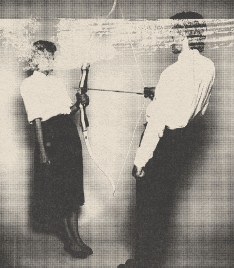
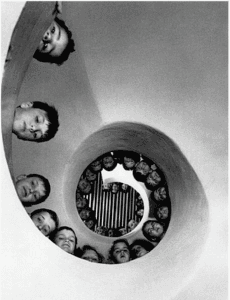
@prosecco.studio ‘Photographs by Martine Franck (1938-2012)
@lemoncello__
Curiosity, on the other hand, refuses to sit still. It is not just asking questions; it is a way of being. It is found in the smallest, most unremarkable moments: an ache to find the source of light filtering through the narrow gap in the morning, a need to witness the slow race of raindrops against a windowpane and the subtle shift in someone’s voice when something is left unsaid. Curiosity notices. It is the difference between leaning in and sitting upright. You try because you are interested. Every meaningful movement in life begins there. The human race did not progress through indifference. It moved forward through relentless questioning, through the need to understand and explore. Nonchalance and curiosity do not easily coexist. One requires distance, whereas the other requires presence.
In this age of nonchalance, one aspect of life that is affected the most is love.
People often say: to be loved is to be known.
But to know requires something first. Someone willing to ask, to notice, to stay curious about you. Curiosity is the beginning of love and becomes the reason love is able to last. Not the dramatic kind but the quiet, attentive kind. The kind that asks how you take your tea and remembers. The kind that notices when your eyes light up at something small. The kind that senses when you are quiet and wonders why.
Without curiosity, love becomes an assumption.
Think about a crush.
It never begins with certainty. It begins with wonder. Who are they when you are not around? What do they think about? Will you run into them again? Will they notice you? Curiosity fills in the spaces between moments and makes the ordinary feel charged with possibility. Whether it leads somewhere or not, something has already happened you have felt something truly. You have engaged with the unknown instead of retreating from it. Yes, sometimes curiosity might not lead to anything. Sometimes it reaches an end, an answer or even a disappointment. The old saying warns that curiosity kills the cat, but more often than not, forgets the second half:
But satisfaction brought it back.
Because there is value in knowing and even in not knowing, we are still gifted with movement.
People are not static. They change and contradict themselves. They carry storms within, echoes of past lives that you may never reach, never touch, never fully know. When curiosity is kindled, what follows is not understanding but the gentle veil of simplification. It becomes the death of curiosity. Aporia is a state of confusion where you don’t know how to proceed further, often seen as a dead end. Yet in truth, it is where curiosity thrives, for keeping questions open is keeping alive the realm of possibility. Curiosity lives in that tension of knowing and not knowing.
Think about a crush.
It never begins with certainty. It begins with wonder. Who are they when you are not around? What do they think about? Will you run into them again? Will they notice you? Curiosity fills in the spaces between moments and makes the ordinary feel charged with possibility. Whether it leads somewhere or not, something has already happened you have felt something truly. You have engaged with the unknown instead of retreating from it. Yes, sometimes curiosity might not lead to anything. Sometimes it reaches an end, an answer or even a disappointment. The old saying warns that curiosity kills the cat, but more often than not, forgets the second half:
But satisfaction brought it back.
Because there is value in knowing and even in not knowing, we are still gifted with movement.
People are not static. They change and contradict themselves. They carry storms within, echoes of past lives that you may never reach, never touch, never fully know. When curiosity is kindled, what follows is not understanding but the gentle veil of simplification. It becomes the death of curiosity. Aporia is a state of confusion where you don’t know how to proceed further, often seen as a dead end. Yet in truth, it is where curiosity thrives, for keeping questions open is keeping alive the realm of possibility. Curiosity lives in that tension of knowing and not knowing.
In modern life, curiosity is often restrained. It is seen as too much, too intense, too revealing (Plato would be shaking his head in disbelief right now). So, people perform nonchalance instead. Not only in the dating realm but also in conversations and everyday interactions, there is a quiet competition to appear less invested, less affected, less curious. Messages are calculated. Responses are delayed. Interest is disguised. To care openly feels like losing, but the chance to know and be known, the chance to feel without restraint is what is lost in reality. It takes great effort to suppress curiosity, more effort than simply letting it exist.
Pretending not to care becomes harder than caring.
Suppressing curiosity becomes harder than indulging in it.
My favorite cup of tea is three-quarters piping hot water, one-quarter cold, with just a dash of lemon. My dear one knows this because she was curious enough one night to notice how I enjoy my tea. That is the beauty of curiosity. It can boil down to something as simple, yet intimate, as a cup of tea. It dissolves the nonchalance that shields the heart and soul and reminds us that connection and care are branches of curiosity. It becomes the quiet persistent act of noticing, asking or caring. It becomes a testament to a life lived fully, simply because you were curious enough.
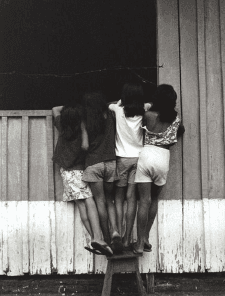
@lemoncello__
@foleysicecream
@foleysicecream
@prosecco.studio ‘Photographs by Martine Franck (1938-2012)
In modern life, curiosity is often restrained. It is seen as too much, too intense, too revealing (Plato would be shaking his head in disbelief right now). So, people perform nonchalance instead. Not only in the dating realm but also in conversations and everyday interactions, there is a quiet competition to appear less invested, less affected, less curious. Messages are calculated. Responses are delayed. Interest is disguised. To care openly feels like losing, but the chance to know and be known, the chance to feel without restraint is what is lost in reality. It takes great effort to suppress curiosity, more effort than simply letting it exist.
Pretending not to care becomes harder than caring.
Suppressing curiosity becomes harder than indulging in it.
My favorite cup of tea is three-quarters piping hot water, one-quarter cold, with just a dash of lemon. My dear one knows this because she was curious enough one night to notice how I enjoy my tea. That is the beauty of curiosity. It can boil down to something as simple, yet intimate, as a cup of tea. It dissolves the nonchalance that shields the heart and soul and reminds us that connection and care are branches of curiosity. It becomes the quiet persistent act of noticing, asking or caring. It becomes a testament to a life lived fully, simply because you were curious enough.
Curiosity, on the other hand, refuses to sit still. It is not just asking questions; it is a way of being. It is found in the smallest, most unremarkable moments: an ache to find the source of light filtering through the narrow gap in the morning, a need to witness the slow race of raindrops against a windowpane and the subtle shift in someone’s voice when something is left unsaid. Curiosity notices. It is the difference between leaning in and sitting upright. You try because you are interested. Every meaningful movement in life begins there. The human race did not progress through indifference. It moved forward through relentless questioning, through the need to understand and explore. Nonchalance and curiosity do not easily coexist. One requires distance, whereas the other requires presence.
In this age of nonchalance, one aspect of life that is affected the most is love.
People often say: to be loved is to be known.
But to know requires something first. Someone willing to ask, to notice, to stay curious about you. Curiosity is the beginning of love and becomes the reason love is able to last. Not the dramatic kind but the quiet, attentive kind. The kind that asks how you take your tea and remembers. The kind that notices when your eyes light up at something small. The kind that senses when you are quiet and wonders why.
Without curiosity, love becomes an assumption.
Keep Reading
0%
Keep Reading
0%