Suze Ijo: ON ENRICHING LEGACY AND AUTHENTICITY

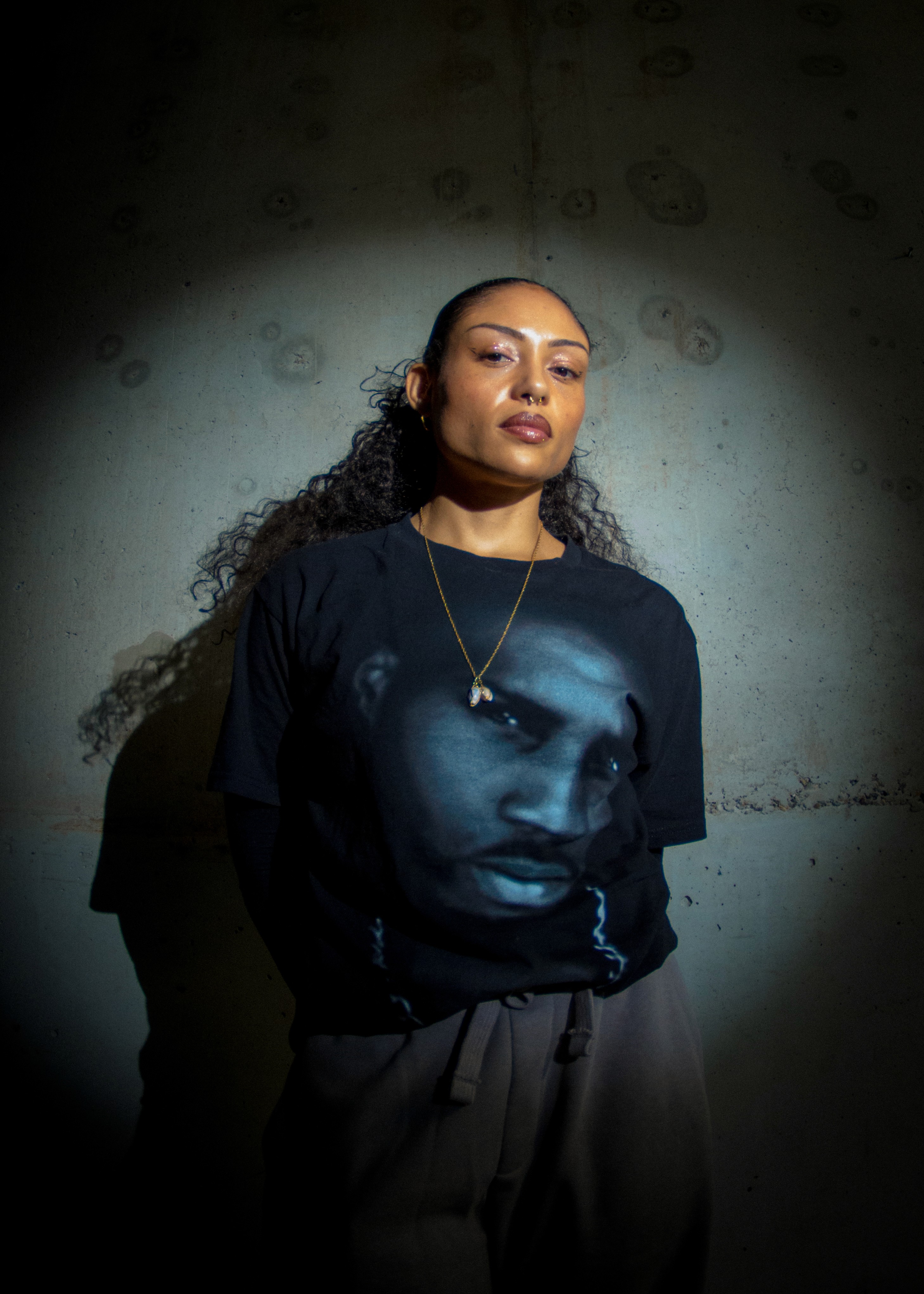
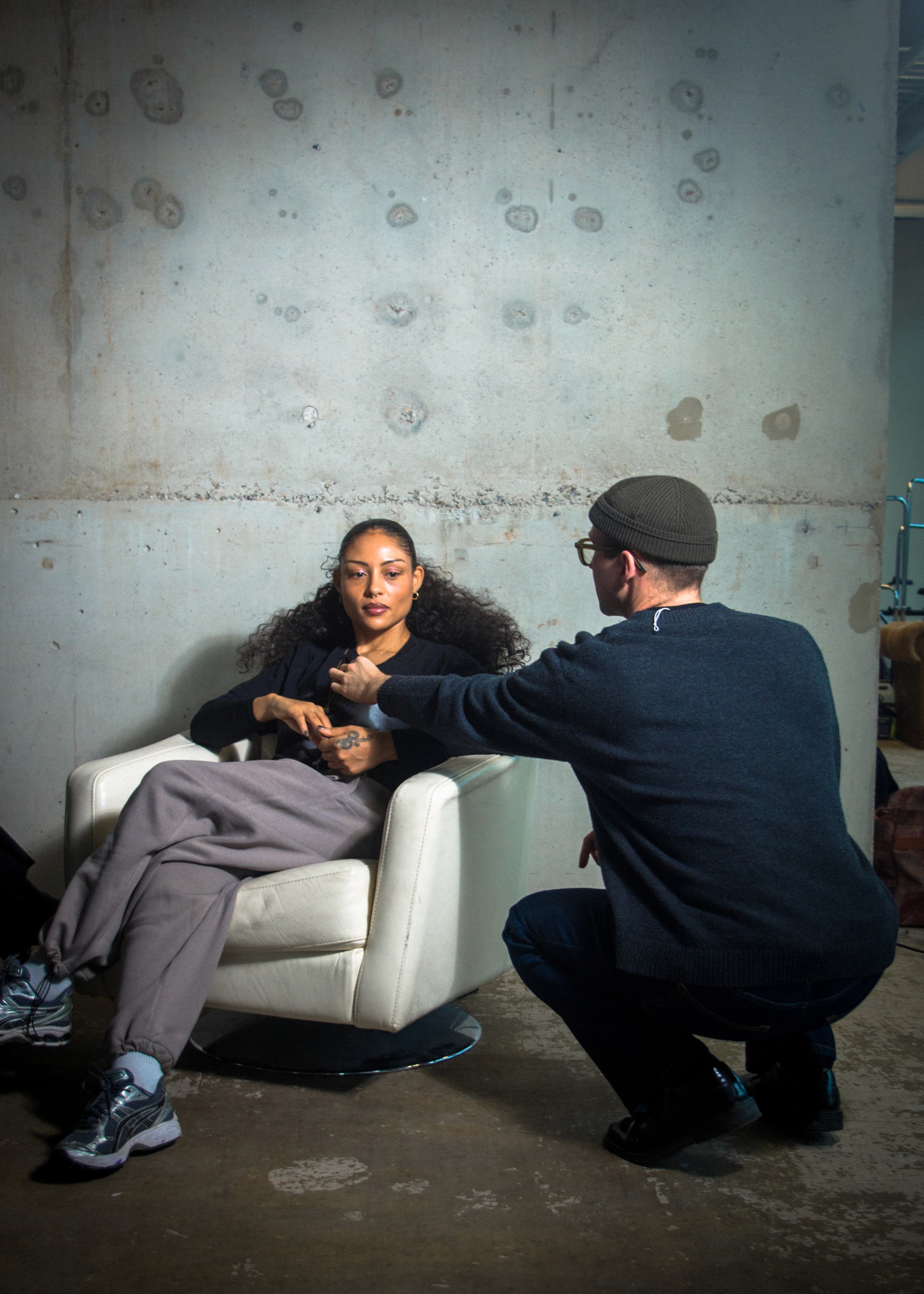
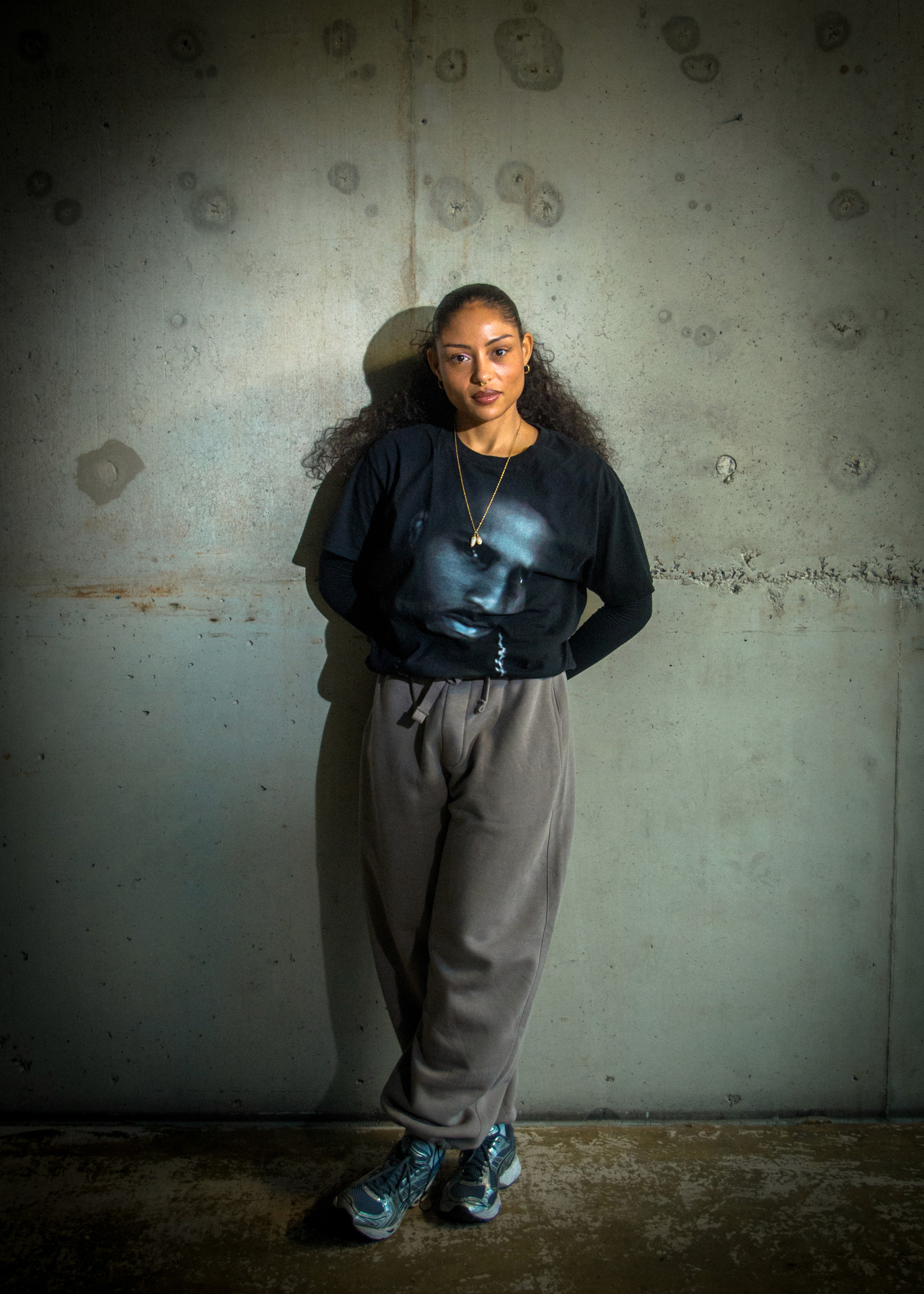
When Suze Ijo speaks about music, it's as if watching her words move the way her body always has: rhythmically, with humility and conviction—intuitively. Before finding her footing behind the decks, she was across dancefloors in Rotterdam. Using movement to learn what other DJs and curators do by ear. Nowadays, she proves herself to be embodied through music and cultural history, shaping the way she performs and plays. We met with Suze to discuss the green and white origins of her name, New York's influence and what it means to be a curator, tasteful and authentic.

by

Onelia Helene

4 min read

4 min read

Blog Image
Blog Image
Blog Image

Where does the name ljo come from?


SUZE IJO: When I fi st started DJing, I played under the name Suze, and I felt as if it was very generic and I wanted to use something that was powerful. There was this song that I was listening to at the time called "ljo" by Tony Allen. He's a Nigerian drummer who used to work also with artists like Fela Kuti, and I liked the word, fi ding out the word means dance and church. It's getting together so I thought it was perfect because that's what I'm trying to do with the music that I play. So, I began to use [ljo] because it has something to it.


You grew up dancing. What kind of dancer were you?

Whenever I say I'm a dancer, it's not in the traditional sense of being a professional dancer but I began going out clubbing from a very young age. I already started clubbing when I was 12. Back in the day, the going out age was like 16, drinking age. You could go out quite early and it was different styles. It's club dancing where you learn stuff while you go out. It didn't really have a specific name. That's why I always describe myself as a dancer. I still dance to this day, now I sometimes I take classes. I've done house dancing for a few years and waacking. It's also a club style that started in New York but arrived in Europe though usually these club styles become more professionalized where they get taught in studio sessions. So sometimes I take classes, but still, I would say I'm more of a club dancer than a traditional dancer.

How did that transition from the dancefloor to behind the scenes and DJ-ing happen?


When I decided to take house dancing classes because I think it helps with knowing what you what you like, what music can do, what type of movements it can bring out of you in certain moments. And when I started the classes what's really nice is that they teach to listen to certain beats in between or counts in between-instead of just four to the four, you think differently or take certain sounds differently and you learn to move your body on multiple rhythms at the same time similar to how a drummer would move. Like playing the hi-hats, playing the bass drum and doing all these different movements at the same time. In that way it helps me with how I play and learning to recognize different rhythms. I would say it makes me a better DJ, even though it's funny when I DJ, I don't dance that much, but when I'm out I really enjoy being out on the fl or but it's good to know what works I think.


In selecting new music, do you cater towards yourself or rather towards the music the people can vibe with the most?


In my experience, I always fi d music that does both. To me, I always imagine this is music that I really enjoy and I think it can create this type of feeling in people, the type of movements in people. But it's never that I select solely for the crowd because I'm kind of stubborn in the way I like to play and select and sometimes it works, sometimes it doesn't. I always make sure that this is what I would do and sometimes it's just not the right crowd for it but if it is it works really well.


New York seems to have had a special place in your heart, the youth is something that seemed to have brought out ideas and inspiration you never expected? How does that translate into what you do now?


Because of the way I started getting into music which has been an old school way, always like with records. Most of the DJs that I listened to were at least 40-50+ who have been making music for so long came from places such as New York. A lot of the sounds that I enjoy like house music, disco or loft sounds mainly started out there.

SUZE IJO: That nightlife is something I always kept as inspiration, even before I went there I watched documentaries, read books about that time as I was so inspired and just like "wow". When I started going there I could go to these places and these artists are still alive from those books and you go see them and hear the sound systems there, dance with people that were dancing even back then in those clubs such as the Paradise Garage, the Loft, etc., and they have all these stories. The record shops where they tell their stories is still there, so for me it's a very inspiring place and I always try to bring some of that feel. Obviously there are also like things change, it's not like the 80s, not like the 90s or whatever but there's still something of that left. I try to take that legacy very seriously and try to bring it in this time, in my way but always with a nod to that time or those places.


Oh, that's so beautiful. What do you remember from the first venue you'd ever play? The smell? The sounds?


B􀀴fore I P!ayed in actual club venues, I had a space with my friends where I would play and practice. We would have little parties, but it was private, so it felt more "we're having a party on Friday night, a little jam", and it's not so much pressure. I was very content doing that and "nerding" out on music with my friends. I think it was 2016-2017, I was with a friend of mine and there was a party called Chips in Rotterdam, a bar. He asked if I played, and upon saying yes, he asked if I could play at the club. I was just like sure I'll come out and I knew the party very well. I was there almost every Thursday, it wasn't crazy to be there, but I was super nervous, and I think I did a good job. Musically, there is one artist I really love that I played, Larry Heard a.k.a Mr. Fingers. I did enjoy the rush of being in front of people, sharing what I do but it was quite different from that private space and going out all of a sudden to a club where music has to become a little more accessible, but it was really fun!


How do you compare crowds back then to nowadays?


Right now, it depends, club crowds are usually pretty good in the Netherlands. I don't play that often not right now but last week, I played in Amsterdam at Doka, and it really works if it's a small room, it's good sound, people dance. However, nowadays, I think a lot of people are used to the festival vibe or the hands-in-the­air-moment. I like the journey a little bit or build to something so that when that moment comes it's even more impactful.


Emotionally, what's the most challenging part of playing or choosing what to play?


Emotionally, there's certain records that mean so much to you and you think: am I okay in is the type of crowd, do I feel as if this is going to be well-received? Even though it's not even your music, you get so attached to a song, thinking it's my baby, it's special and you know what it can do, though sometimes it doesn't always land. For me, I always try to stay close to what I like and sometimes it works, sometimes it doesn't. It's important for me that I play the music that I stand by, that I don't play stuff that I believe is gonna work for the people and that I'm not going to enjoy-I know it works but it's as if I'm feeding you McDonald's, instead of branching out.


How has being a Rotterdammer influenced your style or your work?


Rotteddam_ right now, doesn't _haye that much going on nightlife-wise but growing up It did have a lot of things happening. It was a bubbling-era for R&B, there was a lot of "eclectic parties". DJ's like DJ Chucky, Marciano, Shermanology, Benny Rodriguez, and a whole gang of DJs who were black and brown and playing eclectic which was Afro-house, Latin house mixed with electronic music elements. I was always attracted to that style of including African music, some Brazilian music, because most of the other styles of house or techno parties as if it wasn't for us brown kids growing up in the city. That was actually the fi st time that I went out and I didn't even realize it was like electronic music which influenced my sound, and I think growing up on that R&B or soul music blend is where the Rotterdam part comes in.


In your electronic beats interview, you mentioned that sometimes the music genre with the audience doesn't work out with what you had in mind, how do you deal with something like that?


It depends, usually I try to stay on my path, sometimes, I think maybe I should simplify it in a way or I'm not gonna play the deepest cuts that I had in mind because it doesn't work. There's always a version of me that can play a little more accessible sounds. I prefer to keep it close to myself or at least try to, because sometimes, I notice it works really well if you're playing something and make the transition a little faster or do something that is unexpected so the element of surprise can get people going all of a sudden.

Keep Reading

0%

Keep Reading

0%