
In an era where access is instant and visibility is endless, this piece sets the stage for a necessary negotiation: between celebration and preservation, curiosity and responsibility. As Twosteps enters a new chapter, this reflection asks what it means to curate culture with intention.


I can open any platform and find out what is happening in Dakar, Senegal, at 2pm. I can learn about any country and its people’s culture within seconds. You and I can broadcast our very own culture to the world in the coming minutes. We can do this because of the magic that is media. Reader, is it not by means of media that you were able to find this article? Come to think of it, there was a time when culture was not so easily shared, when it existed within communities rather than on global platforms. Can you imagine that? Also, what do you think about culture in this give and take moment we living though? I wonder what our ancestors would say about this globalisation— this perceived connection through the means of media and the digital bridge. In fact, what is culture? What is it to you? And, why is it important, or maybe, why isn’t it?
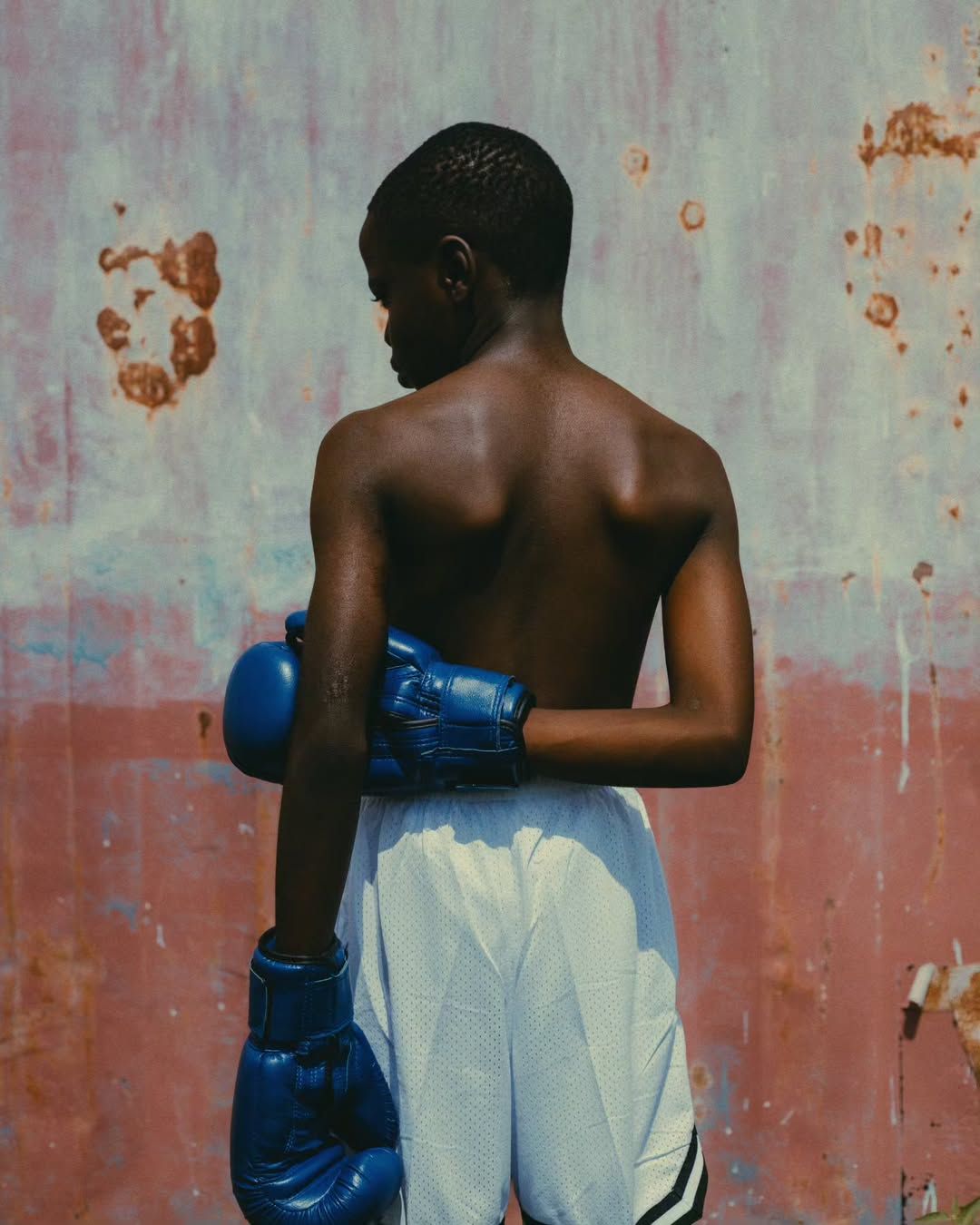
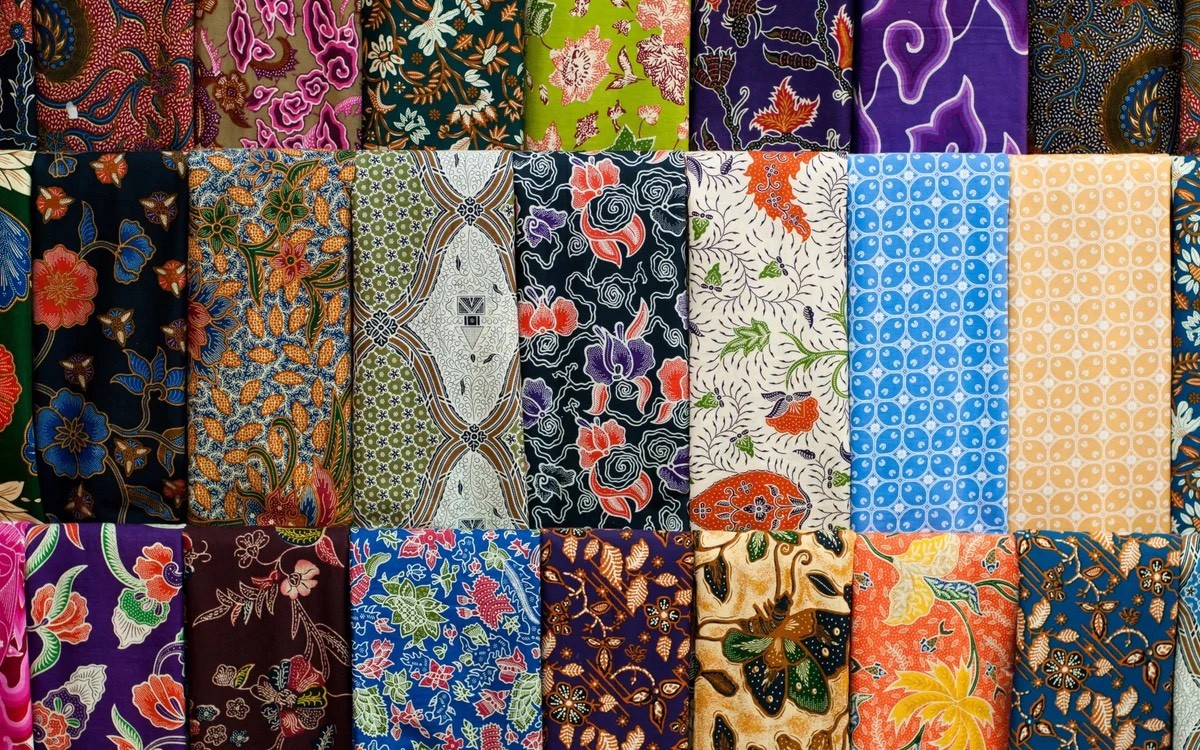
According to the Merriam-Webster dictionary, culture is defined as: “The characteristic features of everyday existence shared by people in a place or time”. This definition comes closest to how I understand it. Culture really is humanity in motion, in existence. It’s a special thing to cultivate a space in the mosaic that is the world and claim it as your culture. How special to occupy the world with the things that are characteristic of your people, land, or time. Now, we’re in an era where these cultures live in close proximity to each other, thanks to landscape shifters known as media and globalisation. Yes, Cultures no longer exist in isolation from one another. The question, however, is not whether cultures can be shared, but whether they should be—and to what extent.
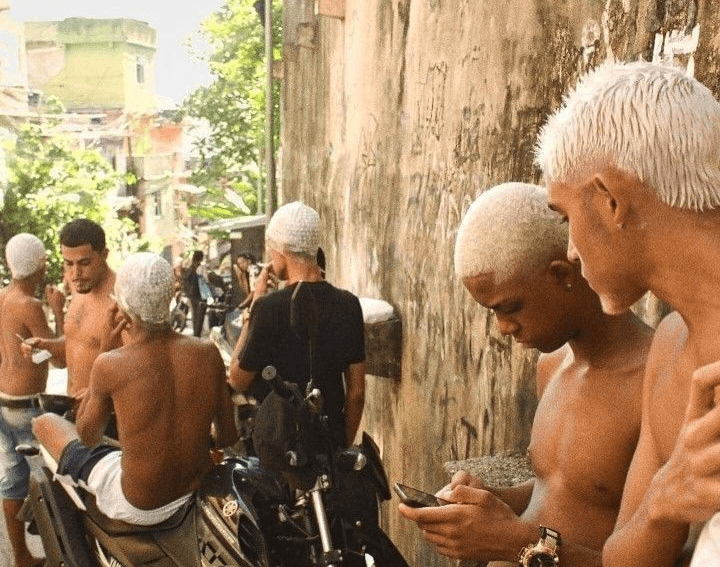
Since The Brief is positioned as a cultural curator, there is value in outsourcing these questions. In conversations with others, I encountered a range of perspectives. Some believe that the more culture is shared, the more room there is for empathy, respect, and understanding to grow. Consider the recent Met Gala and its tribute to Black Dandyism and the rich Sapeur culture of the DRC, or Brazil’s Funk Carioca culture, where young men and boys bleach their hair and facial hair as a homage to life in the heart of Brazil and preserve its deep musical roots. When culture is spotlighted with care, it can invite curiosity rather than consumption. But visibility carries weight. With recognition comes judgment, criticism, and, at times, disregard. This was evident in the backlash following musician Sailorr’s public display of a traditional South-East Asian practice: dyeing teeth black. Something layered, traditional, and deeply cultural was reduced to directionless debates on racism, decorum, and selective modern beauty standards. As the audience, how do we decide to celebrate one culture and shame the other? What or who gives us the right? No one actually. And yet, here we are.
Too much of something good can be bad, they said. When cultures relinquish their rights to gatekeep, unwanted intentions may slip in. While we hope and look for the good in people and the media, the exploitative aspects can never be entirely put to bed. Granted, every coin has two sides, so does every story. The stories, otherwise known as cultures, harbour two sides, one that is celebrated and one that is preferably gatekept: merely as a means of preservation. This is not ana rgument against sharing culture, but a call for balance. Culture deserves a home, a people, and a context to return to— rather than becoming something endlessly gawked at or stripped of meaning.
Since The Brief is positioned as a cultural curator, there is value in outsourcing these questions. In conversations with others, I encountered a range of perspectives. Some believe that the more culture is shared, the more room there is for empathy, respect, and understanding to grow. Consider the recent Met Gala and its tribute to Black Dandyism and the rich Sapeur culture of the DRC, or Brazil’s Funk Carioca culture, where young men and boys bleach their hair and facial hair as a homage to life in the heart of Brazil and preserve its deep musical roots. When culture is spotlighted with care, it can invite curiosity rather than consumption. But visibility carries weight. With recognition comes judgment, criticism, and, at times, disregard. This was evident in the backlash following musician Sailorr’s public display of a traditional South-East Asian practice: dyeing teeth black. Something layered, traditional, and deeply cultural was reduced to directionless debates on racism, decorum, and selective modern beauty standards. As the audience, how do we decide to celebrate one culture and shame the other? What or who gives us the right? No one actually. And yet, here we are.
Too much of something good can be bad, they said. When cultures relinquish their rights to gatekeep, unwanted intentions may slip in. While we hope and look for the good in people and the media, the exploitative aspects can never be entirely put to bed. Granted, every coin has two sides, so does every story. The stories, otherwise known as cultures, harbour two sides, one that is celebrated and one that is preferably gatekept: merely as a means of preservation. This is not ana rgument against sharing culture, but a call for balance. Culture deserves a home, a people, and a context to return to— rather than becoming something endlessly gawked at or stripped of meaning.
In all, the premise of this article was to set the stage; this is a space where culture is largely celebrated, marveled at, and appreciated. Where culture is curated and applauded. Here and in many spaces in the media, there is an acknowledgement that without culture, there is no life. There is no humanity, there is nothing. Hence, we celebrate culture, the humanity in motion. One thing for you to take away for now is that culture moves production. There is no media without culture. So, when all is said and done and the people are tired and become selective, what happens to the media that hails it? What happens to the curators and the knowledge seekers? What happens to you and I? Perhaps we shall find out in this life or the next, but for now, we sit, admire, and learn from the cultures that bring colour and rhythm to our world. Engaging with culture not as something to take, but as something to respect, protect, and understand
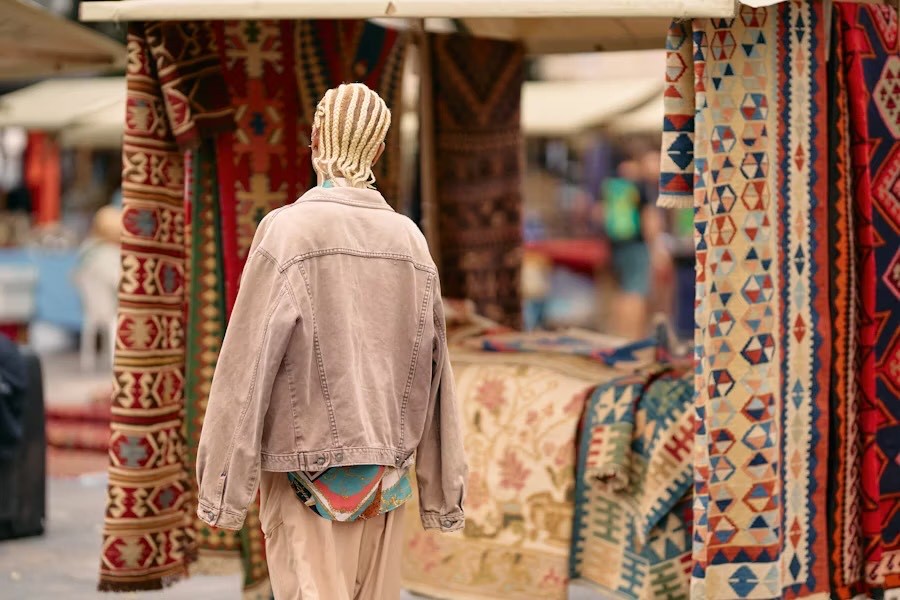
In all, the premise of this article was to set the stage; this is a space where culture is largely celebrated, marveled at, and appreciated. Where culture is curated and applauded. Here and in many spaces in the media, there is an acknowledgement that without culture, there is no life. There is no humanity, there is nothing. Hence, we celebrate culture, the humanity in motion. One thing for you to take away for now is that culture moves production. There is no media without culture. So, when all is said and done and the people are tired and become selective, what happens to the media that hails it? What happens to the curators and the knowledge seekers? What happens to you and I? Perhaps we shall find out in this life or the next, but for now, we sit, admire, and learn from the cultures that bring colour and rhythm to our world. Engaging with culture not as something to take, but as something to respect, protect, and understand
According to the Merriam-Webster dictionary, culture is defined as: “The characteristic features of everyday existence shared by people in a place or time”. This definition comes closest to how I understand it. Culture really is humanity in motion, in existence. It’s a special thing to cultivate a space in the mosaic that is the world and claim it as your culture. How special to occupy the world with the things that are characteristic of your people, land, or time. Now, we’re in an era where these cultures live in close proximity to each other, thanks to landscape shifters known as media and globalisation. Yes, Cultures no longer exist in isolation from one another. The question, however, is not whether cultures can be shared, but whether they should be—and to what extent.
Keep Reading
0%
Keep Reading
0%