
It's easy to make an enemy out of a person who is politically apathetic, and it is easy to cast judgment on their abilities to be “educated” or opinionated in the “right way”. Through this space of back-and-forth jurisdiction, regarding the status and treatment of those politically apathetic, we have come to forget how background structures and entrenched frameworks have had an overshadowing effect on shaping political culture. Before judgement, we must come to the table with an understanding of how these conditions shape how, and if even, people are able to engage politically.


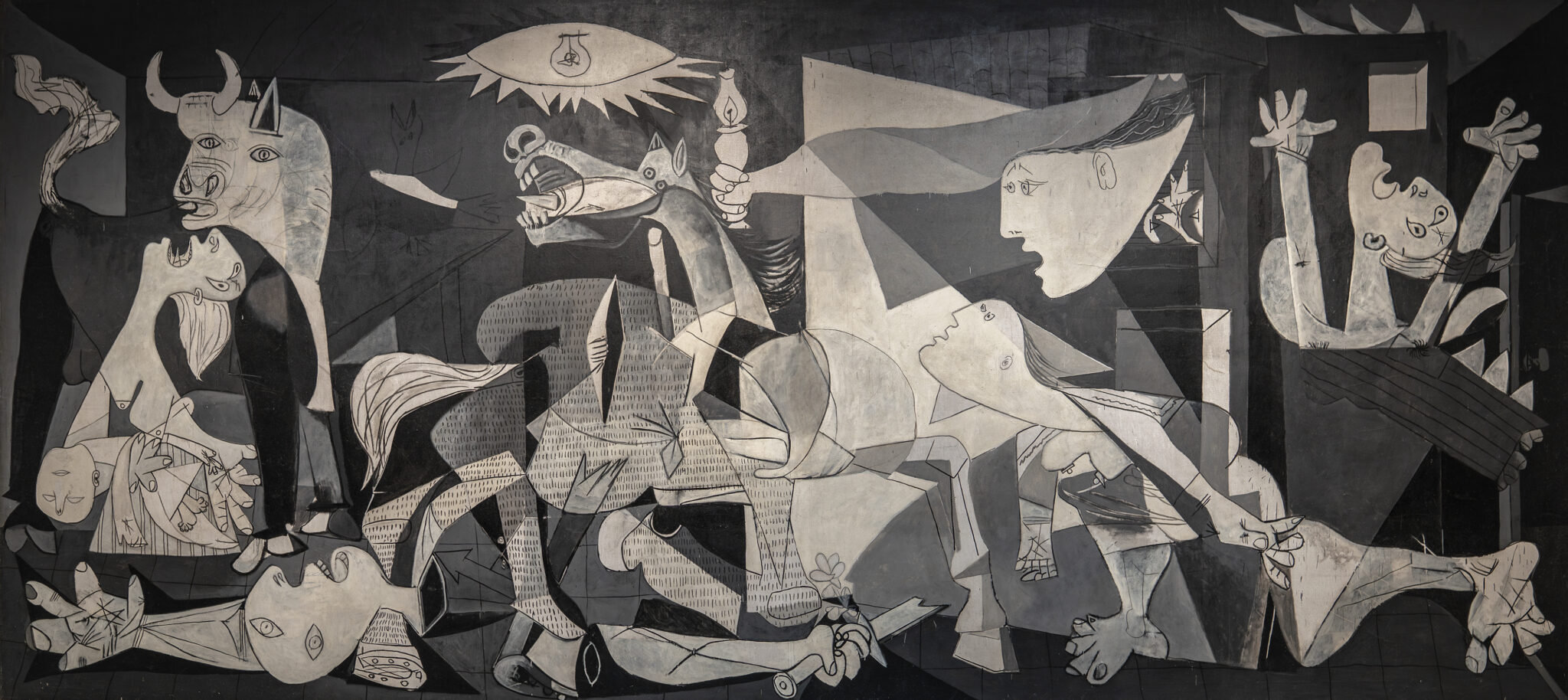
It’s maddening to see the world around you consistently fall prey to patterns you feel deep in your heart can be unwound. Most people initially aim to solve politics using empathy and humanity and are shocked to find that there exists a certain type of indifference out there, and a neutrality that can feel baffling and infuriating. Sometimes, this indifference exists in your very own family. Sometimes it scrolls past you on social media and reminds you that disengagement can truly be a lifestyle. This indifference can haunt you and make you feel cheated.
To live a politicised life is to live with this frustration daily, to believe that empathy and morality should be at the centre of how we register the complex happenings of the international world, yet to be confronted again and again with its limitations. In a world where success feels reliant on proximity to power and connections rather than effort, our lives and our identities become politicised automatically. Social media feeds us a dense and confronting concoction of information and misinformation alike, forcing our choices to feel gigantic in the face of a future that is unknown, and shaping our political awareness through fear and overstimulation. Here, political apathy can feel like a crime because it appears unintuitive to the way in which you believe you must live your life; it can feel baffling to try to understand how one would even go about living a depoliticised life. And much of the existing commentary on political apathy reflects this strong belief that apolitical people are ignorant and lazy. casually positioning political apathy as being a sole by-product of moral failure.
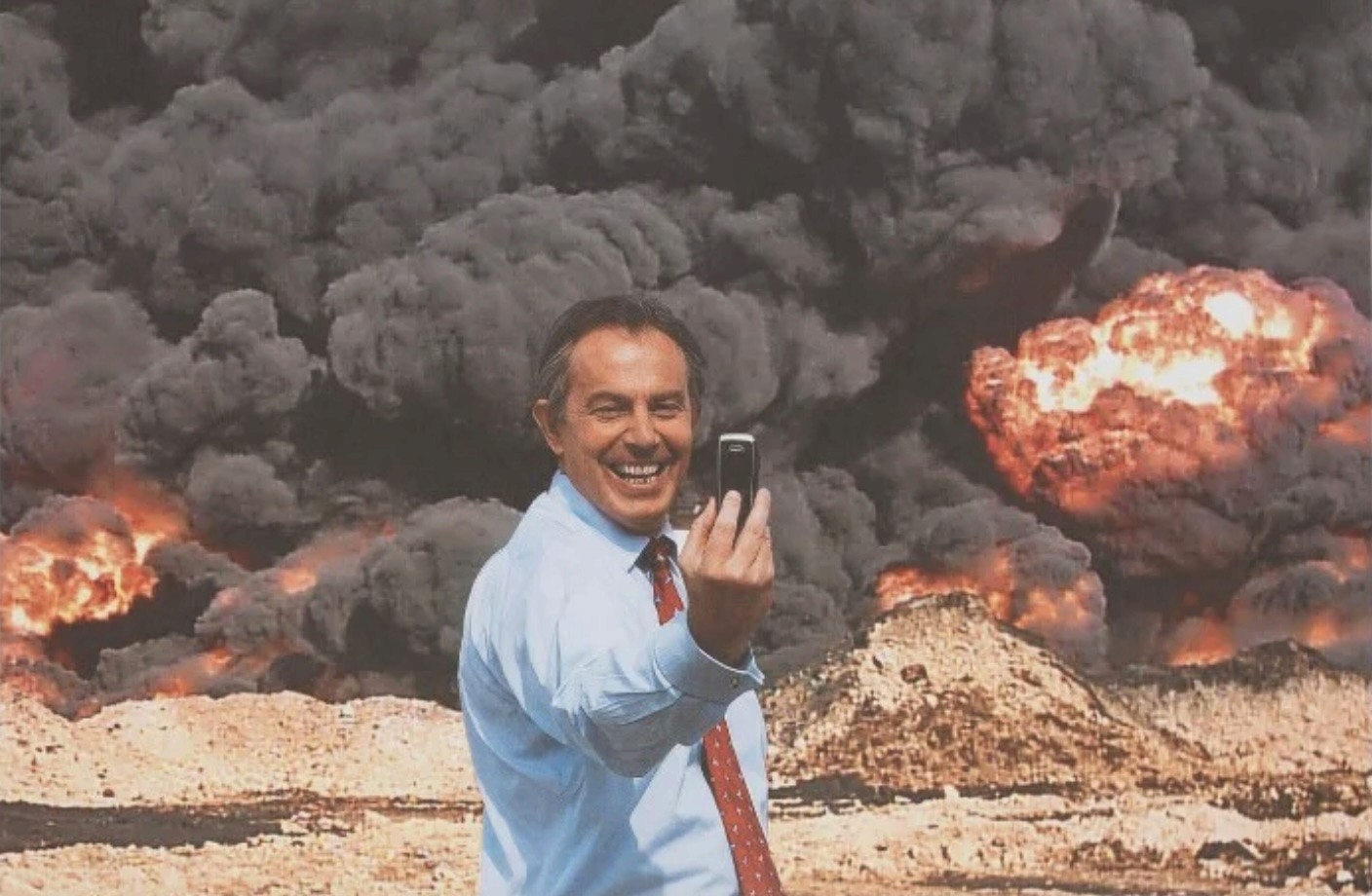
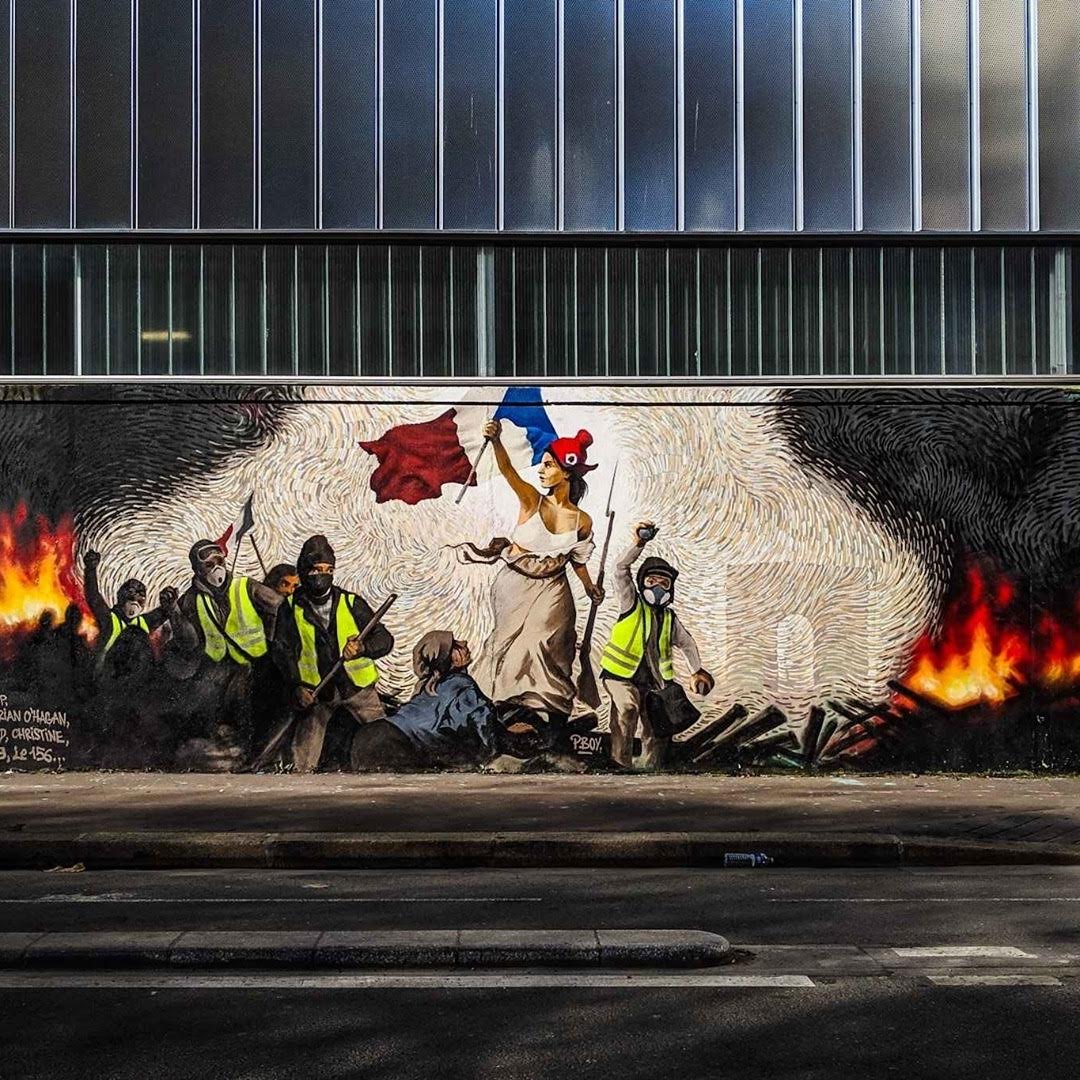
However, political apathy can actually appear to be more a rational response than a selfish one. Discussion of political apathy has long been grounds for public opinion, social media platforms such as Substack reflect this, often positioning political apathy as being a performance. A performative neutrality that is marked by symbolic participation. But political apathy can also be a learned helplessness, a conditioned and well implemented response that people have developed out of a consistent pattern of political disappointment. When political systems feel untouchable, your voice can feel unimportant and your part in politics can feel like it’s shrinking by the minute. Within this disconnect; engagement loses its meaning. Not to mention eventually, politics can become a deeply personal endeavour, and they have always symbolised something far greater than just the voting ballot, but it’s intertwinement with distant institutions of decision making can further reinforce the sensethat meaningful intervention is possible only for the powerful. In a world of Trumps and Putins, where some of the most powerful countries in the world are more concerned with continuing in their divisive strategies, helplessness can become the first response. Fear can take over and inaction can appear to offer safety.
In the past year a lot has been revealed about the state of international affairs. Complex relationships have been exposed, entire regions of the world have been brought back into contemporary political conversation, and these revelations have fluffed the feathers of political institutions by reminding us of their immovability. The presence of cause and effect has been entirely removed; people are rarely held accountable, and if they are it is with invisible consequence. It appears not only private life is becoming politicised, but several aspects of public life are themselves being used as signposts for political affiliation. Everyone is being forced to choose a side. Understanding the world has never been an easy task, but now it has become even harder.
But sure, the argument may still prevail. ‘Apolitical people aren’t scared they are just uneducated’. This itself relies on the fragile logic that political activity is the standard by which we can measure knowledge or interest. Perhaps it can be far more productive to consider that disengagement does not signal ignorance but can a be reflection of the sheer power and imposing state of our politics. We are in an age where politics has become something that we witness rather than act within, social media has ensured this by becoming a news reel and a primary playing ground for political action, fundamentally changing the way in which we view political participation. Our political action automatically becomes implicated with performance, even if we don’t mean for it to be, social media sort of acts in a dual manner; one where it is both a site for performance and a site of information. Actively rewarding certain forms of political participation by affirming the importance of immediately legible political opinions over ones that are rooted in deliberation or non-performance. Meaning that politics becomes something we display.
This collective sprint towards performative participation alters the way in which responsibility is experienced. When political engagement is forced to be visible and constant, responsibility becomes scattered. Political outrage is shared and passed around and aligning your opinion with a mass consensus feels more important than actual action. Therefore, it can become easy to believe that simply understanding that injustice exists, and knowing how to identify it, is intervention enough. Thus that awareness, once widespread will eventually translate in to change. Our Instagram carousels and reposted stories push responsibility away from decision and force it to take the form of taking a position, picking a side. Making us feel as though, despite our inaction, we are still ‘on the right side of history’. This in itself becomes a priority. Turning us in to a spectatorship where we remain morally implicated but far removed from structures that can encourage change. This binary code of social political play makes it easy to cast out political apathy as performative and rooted in lack of awareness or education, when really it’s a structural net that ought to be recast.
But sure, the argument may still prevail. ‘Apolitical people aren’t scared they are just uneducated’. This itself relies on the fragile logic that political activity is the standard by which we can measure knowledge or interest. Perhaps it can be far more productive to consider that disengagement does not signal ignorance but can a be reflection of the sheer power and imposing state of our politics. We are in an age where politics has become something that we witness rather than act within, social media has ensured this by becoming a news reel and a primary playing ground for political action, fundamentally changing the way in which we view political participation. Our political action automatically becomes implicated with performance, even if we don’t mean for it to be, social media sort of acts in a dual manner; one where it is both a site for performance and a site of information. Actively rewarding certain forms of political participation by affirming the importance of immediately legible political opinions over ones that are rooted in deliberation or non-performance. Meaning that politics becomes something we display.
This collective sprint towards performative participation alters the way in which responsibility is experienced. When political engagement is forced to be visible and constant, responsibility becomes scattered. Political outrage is shared and passed around and aligning your opinion with a mass consensus feels more important than actual action. Therefore, it can become easy to believe that simply understanding that injustice exists, and knowing how to identify it, is intervention enough. Thus that awareness, once widespread will eventually translate in to change. Our Instagram carousels and reposted stories push responsibility away from decision and force it to take the form of taking a position, picking a side. Making us feel as though, despite our inaction, we are still ‘on the right side of history’. This in itself becomes a priority. Turning us in to a spectatorship where we remain morally implicated but far removed from structures that can encourage change. This binary code of social political play makes it easy to cast out political apathy as performative and rooted in lack of awareness or education, when really it’s a structural net that ought to be recast.
Despite this, political apathy still sustains the very systems that produce it, and disengagement is not completely dissolved from its consequences just because it can be framed as being apart from moral failure. The question of political apathy should ask why politics may render one’s ability to care ineffective in the first place. Not why people stop caring. Politics should allow people to recognise their own agency, not turn them into spectators. Social media has made politics even more divisive, and it has played a role in turning helplessness into a learned response rather than a choice. Political apathy is not synonymous with not caring or disengagement, but it’s a condition produced by political life itself under aching systems of scale and non-impact.

Despite this, political apathy still sustains the very systems that produce it, and disengagement is not completely dissolved from its consequences just because it can be framed as being apart from moral failure. The question of political apathy should ask why politics may render one’s ability to care ineffective in the first place. Not why people stop caring. Politics should allow people to recognise their own agency, not turn them into spectators. Social media has made politics even more divisive, and it has played a role in turning helplessness into a learned response rather than a choice. Political apathy is not synonymous with not caring or disengagement, but it’s a condition produced by political life itself under aching systems of scale and non-impact.
However, political apathy can actually appear to be more a rational response than a selfish one. Discussion of political apathy has long been grounds for public opinion, social media platforms such as Substack reflect this, often positioning political apathy as being a performance. A performative neutrality that is marked by symbolic participation. But political apathy can also be a learned helplessness, a conditioned and well implemented response that people have developed out of a consistent pattern of political disappointment. When political systems feel untouchable, your voice can feel unimportant and your part in politics can feel like it’s shrinking by the minute. Within this disconnect; engagement loses its meaning. Not to mention eventually, politics can become a deeply personal endeavour, and they have always symbolised something far greater than just the voting ballot, but it’s intertwinement with distant institutions of decision making can further reinforce the sensethat meaningful intervention is possible only for the powerful. In a world of Trumps and Putins, where some of the most powerful countries in the world are more concerned with continuing in their divisive strategies, helplessness can become the first response. Fear can take over and inaction can appear to offer safety.
In the past year a lot has been revealed about the state of international affairs. Complex relationships have been exposed, entire regions of the world have been brought back into contemporary political conversation, and these revelations have fluffed the feathers of political institutions by reminding us of their immovability. The presence of cause and effect has been entirely removed; people are rarely held accountable, and if they are it is with invisible consequence. It appears not only private life is becoming politicised, but several aspects of public life are themselves being used as signposts for political affiliation. Everyone is being forced to choose a side. Understanding the world has never been an easy task, but now it has become even harder.
Keep Reading
0%
Keep Reading
0%