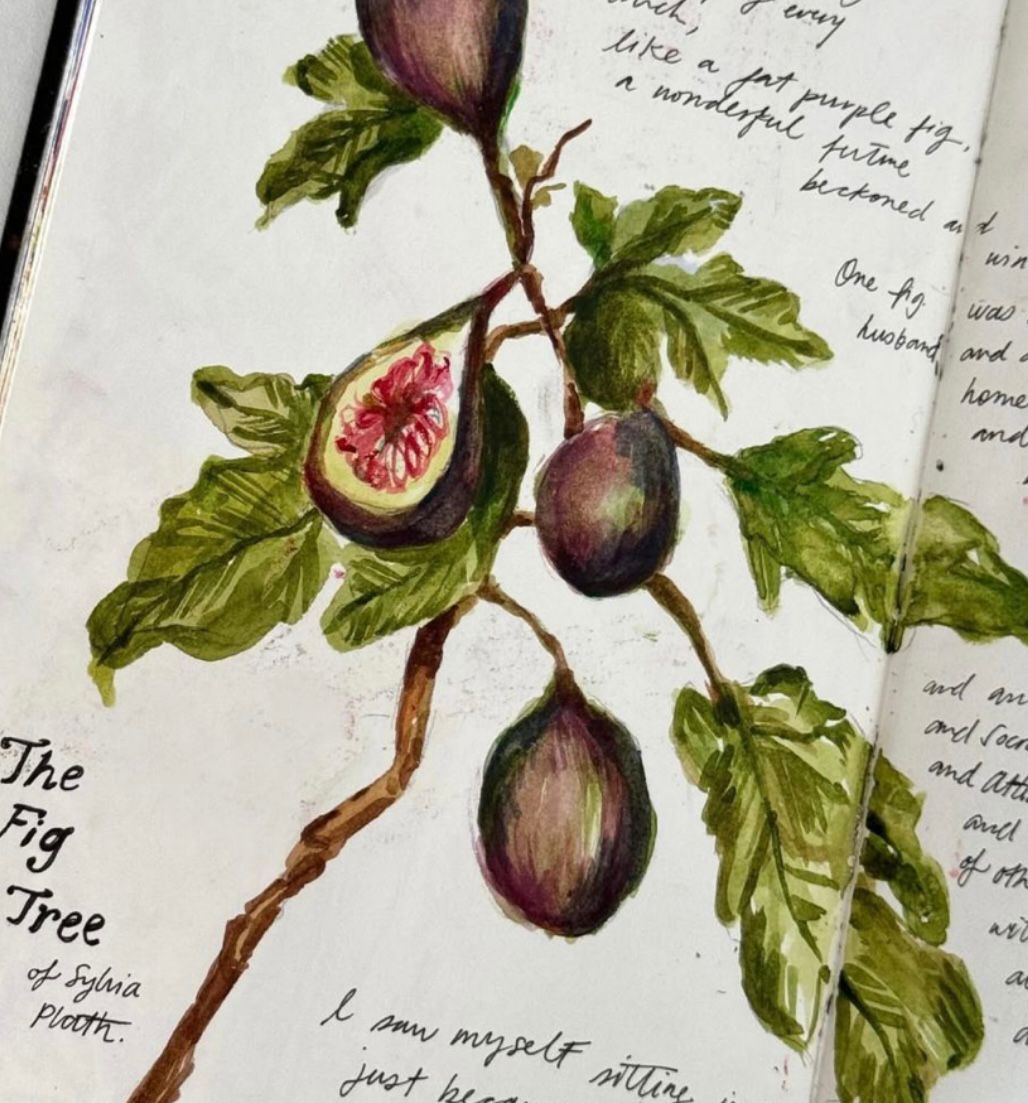
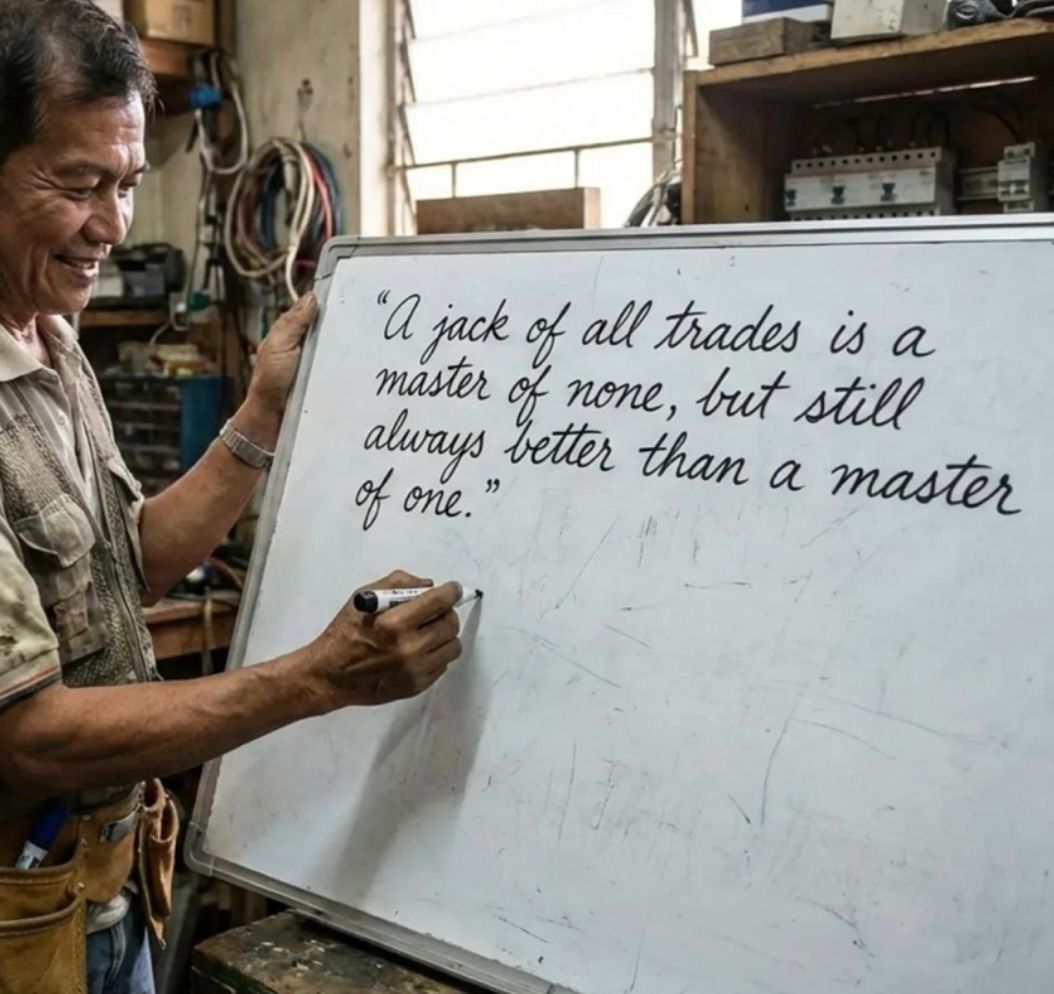
“A jack of all trades is a master of none, but oftentimes better than a master of one.” -William Shakespeare
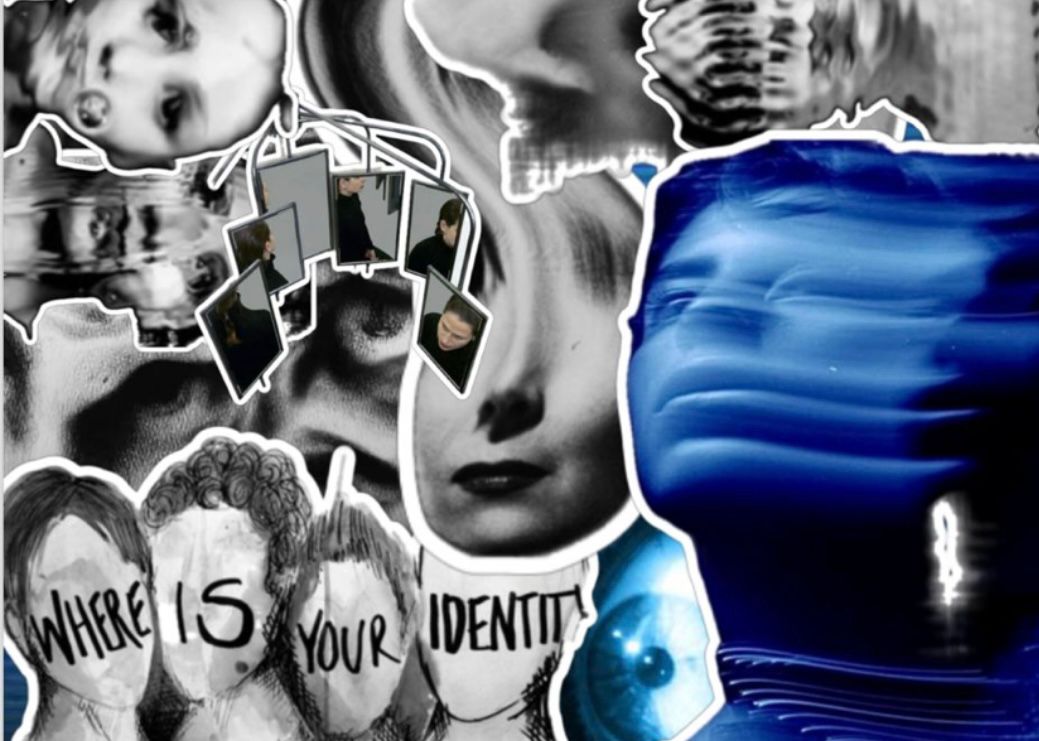
Collage (by Mihika Malhotra)
I was eight when my dad bought me my first pair of roller skates. Not the regular kind—these lit up whenever I moved. I remember the thrill of gliding across the pavement, the feeling that the world itself was moving with me. I remember the first time I stepped onto the pavement outside our house, the sun forcing me to squint my eyes and the faint hum of the wheels on the asphalt. It was exhilarating. I could feel the wind brushing past my ears, a rhythm forming between my movements and the world beneath me. Each stride brought a new thrill. The rush of speed, the precarious balance, the fear of falling and the sheer joy of defying it. For those joyous 6 months that I pursued this hobby, skating felt like a purpose in itself. It became a revelation of possibility. I could be graceful, fast and unstoppable. And yet, as seasons changed, as the novelty wore off, something else began to stir in me.
Identity is rarely fixed. Aristotle had argued that everything has a telos—a purpose, a final cause or fulfillment toward it naturally aims. A knife exists to cut and an acorn strives to become an oak. Humans, too, were thought to have a singular function: rational activity in accordance with virtue. Knowing one’s purpose, Aristotle claimed, simplified the world and in doing so, oneself. In my case, skating seemed to answer that question for a moment: I was a skater. But life rarely offers such linear simplicity. Instead, it offers choices, options, possibilities. Multiplicity, once celebrated as richness, begins to feel like fragmentation. One interest fades and as that path closes, another appears. The threads of self-start to unravel. The question of ‘Who Am I?’ becomes not a matter of discovery, but a puzzle that refuses to fit.
Not long after skating, I became fascinated with roleplaying as a teacher. My mother bought me an elaborate stationary set. The kind with thick markers that don’t bleed into the next page and folders that begged to be organized. I created exams for my family members and graded them meticulously with a red pen that felt almost ceremonial in my hand. I loved the act of correcting and structuring the work of others. Yet, just like skating, the fascination was not eternal. Over time, the markers dried, the notebooks filled and another world began to call me elsewhere.
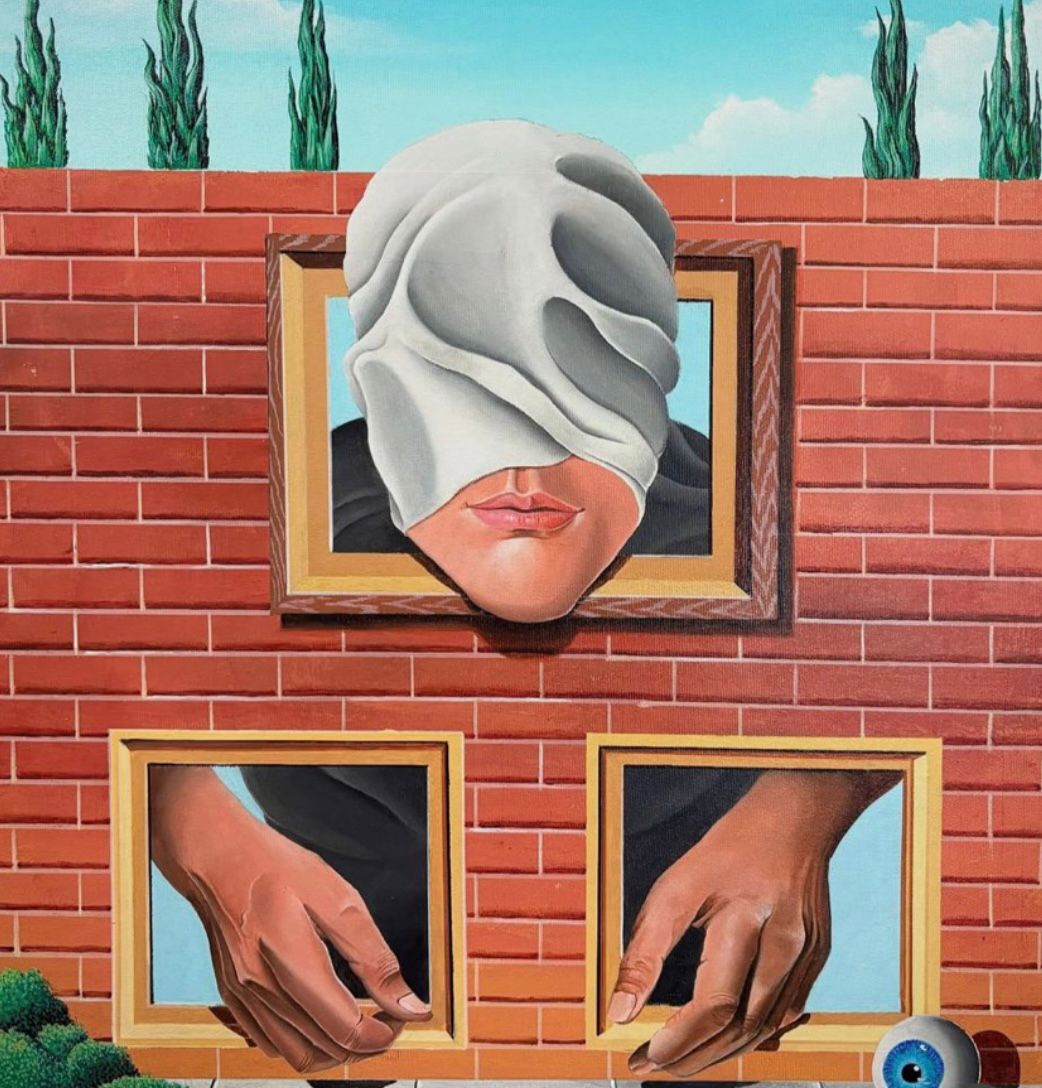
Artwork by @ciaraganart
Existence comes before essence as Jean-Paul Sartre would suggest. We are not born with a fixed identity or purpose; we exist first and only later define ourselves through our choices and actions. Each hobby or interest that is a possibility of assured identity is a way of asserting existence, of experimenting who you could be. The problem, however, is that with so many possible paths, it can get overwhelming. A jack of all trades struggles not because of lack of ability, but because the self is always in the act of becoming. Multiplicity denies a coherent essence and an identity crisis ensues when the weight of choice makes it difficult to recognize oneself in the midst of action.
By the time I turned thirteen, badminton captured my attention. My parents bought me a Yonex racket, a box of new shuttles and the necessary accessories. Every evening, the clock became both an ally and adversary, marking the time I had to play and consequently excel. Pursuing badminton required stamina, precision and timing. I felt alive with each smash, a sense of identity temporarily crystallized in the rhythm of practice and play. I had decided that I would become a badminton player. Still, life intervened. We moved to a new city and in the chaos of packing, the racket was buried under boxes labeled ‘essential’ or ‘priority.’ My passion for the sport was lost, much like the buried racket itself.
Psychologist Erik Erikson in his theory of psychosocial development, identifies adolescence as a critical stage for identity formation. He talks about the ‘identity vs. the role confusion’ stage where he argued that young people reconcile the multiplicity of possibilities with the societal expectation of choice. According to him, my roller skates, red pen and badminton racket were not mere hobbies. They were markers in a process of negotiation between what I could be and what the world expected me to be. Each fragment of interest represented a version of myself—a path that could have been my defining story. Yet, none lasted long enough to claim that title.
At seventeen, I found myself drawn to academics. Learning and spreading the knowledge seemed like the ideal ultimate goal. However, with this passion came a new dilemma: the question of a path, of purpose. If I pursued sociology, I could become a sociologist, tracing patterns of family and society. If psychology called me, perhaps I would guide others as a marriage counselor, listening to hearts and minds in search of understanding. What if I pursued English? I might wander as a poet, uncovering the unseen through rhymes and oxymorons. The challenge was not the love of knowledge itself, but the weight of choice. In the midst of different possibilities, the same question lingered: who would I become and which part of myself would I surrender to the world?
Artwork by @valente_art
Image posted on @electricianphilippines
We tend to understand ourselves as a story. Paul Ricoeur calls this narrative identity in which we are not merely a collection of experiences. We are the ongoing narrative that links them. I was this, I became that and now I am heading toward this. This creates a continuity through change. Identity becomes the connections we make between past, present and future. My roller skates, the teaching theatrics, the badminton racket and the many academic paths considered were not isolated moments; they were chapters in my life’s story.
In different stages of your life, people will tend to ask you a simple question:
“So, what do you do?”
Despite multiple interests, several given-up hobbies and even jobs left behind, none of the answers will ever feel sufficient. Mentioning a specific hobby might seem like a fragment offered in place of a whole. In answering what we do, we are expected to resolve the dilemma of who we are. And in answering the question, we reduce ourselves to a single thread in a tapestry that does not feel woven.
I am 21 now. I dog sit on the weekends. I work in a restaurant twice a week. I currently enjoy baking and cooking. I am a Media student. I might pursue a masters or maybe open a restaurant.
The beauty of it all is that my essence is never fixed, it lives in these moments of curiosity and creation, in the sniffles of dogs, the scent of fresh sourdough , the click of a camera shutter and even in the roller skates buried in storage, glimmering faintly with memories of who I was and who I am still becoming.