How Guess Jeans signalled the return of low-slung jeans, baby tees and washed-out denim tones mirrors Gen-Z’s craving for nostalgia through the trendy Tumblrification, redefining a previous youth subculture into a retail context, shaping GUESS JEANS new campaign.

The pandemic was a traumatic period for vast Gen-Z's, particularly those who indulge in social media, where the common trope of our generation is: nostalgia. Everything has become a revival. We tap into our childhood, roaming around to retrieve what was deemed as lost. Our youth, how we interact with others. It has been six years since the events that shocked the globe. As we have grown up in an era where identity is constantly rapidly constructed, displayed, and reinterpreted online, catching up on what we missed. In response to this, the internet developed the tendency to turn cultural moments into categories, using “-ification” as a means of offering labels to manufacture something deeper than just aesthetics, it offers a framework for identity. We do this to tap into to revive what we have lost, our “lost futures”, what we yearn for as a nostalgic generation.
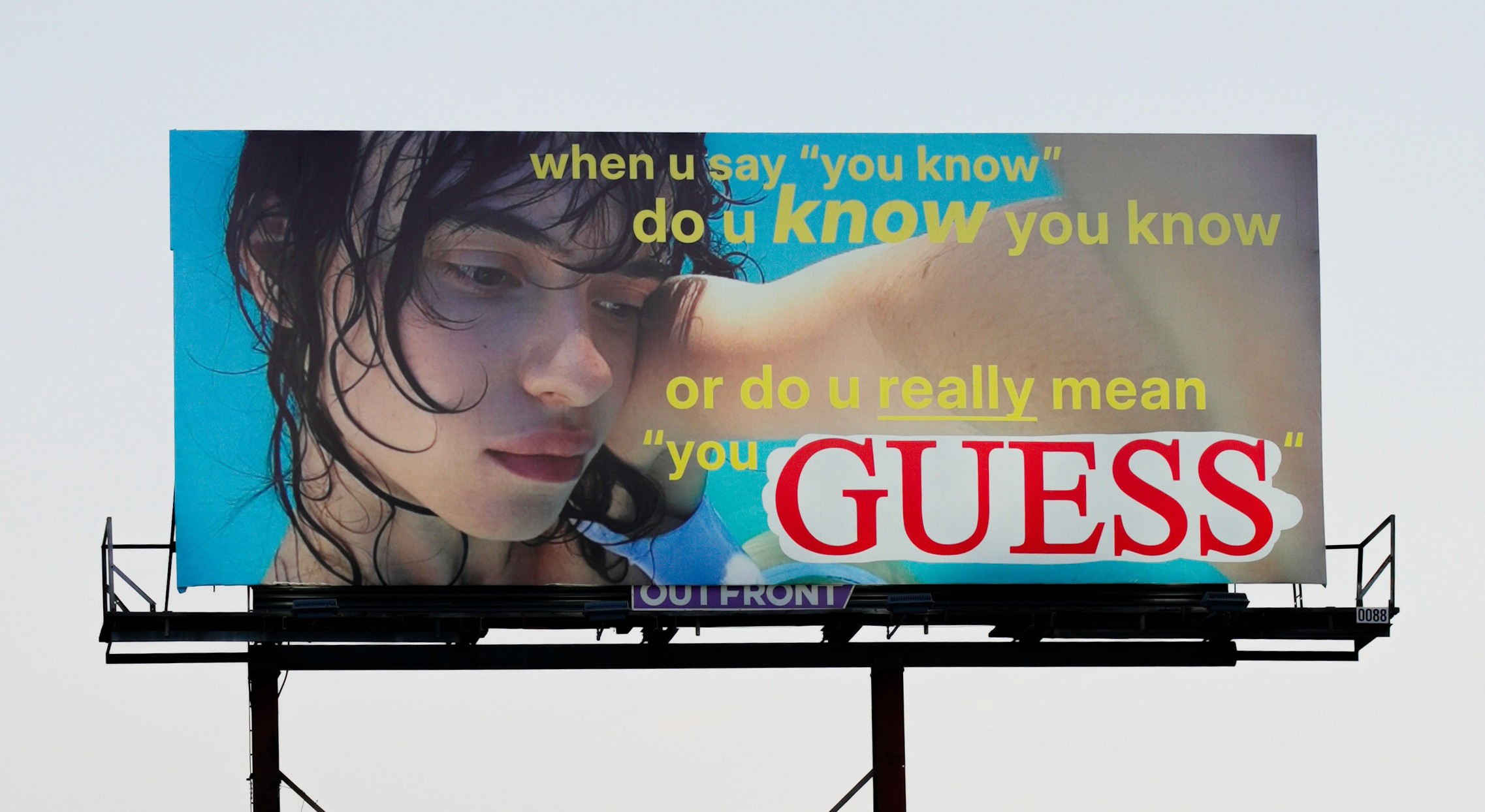
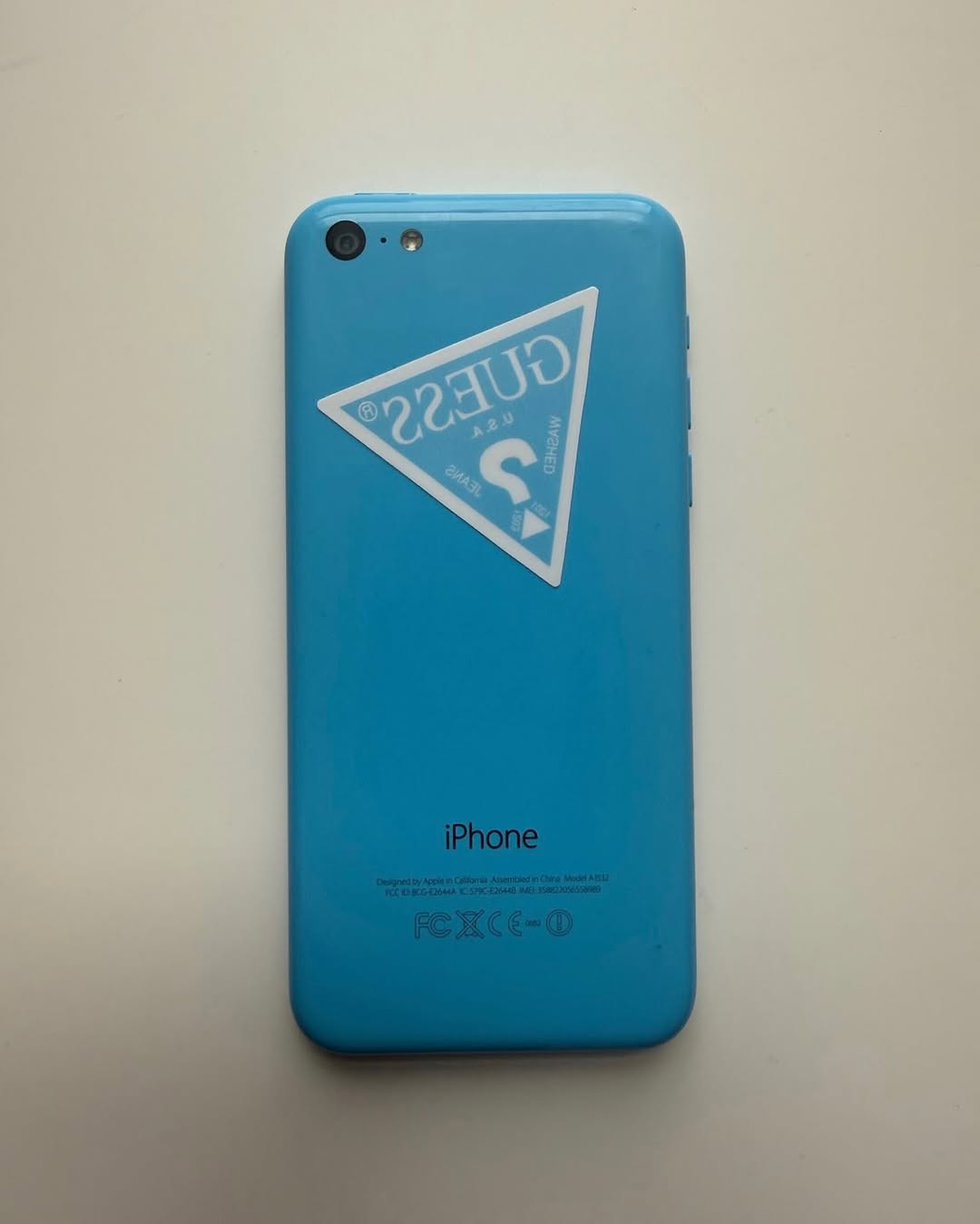
Earlier this year, I came across GUESS Jeans' new promotional advertisements for their jeans. It was smart and impactful. The billboard photos of L.A. micro-influencers, lo-fi imagery and the iPhone 5cs taken photos express exactly what Gen Z’s are searching for. Renewal and nostalgia. The campaign is reminiscent of Tumblr, reaching out to the millennials who were active during its peak and the Gen Z’s who are in search of something quite different. The yellow and bright coloured tag lines: “ what am i wearing? idk GUESS? ” Or “ i used to need love and now i just want to GUESS ” taps into our generation's way of reaching people. It reflects what you see on TikTok, the typical taglines against a screen of a person voicing something relatable and reflective, only we could get it.
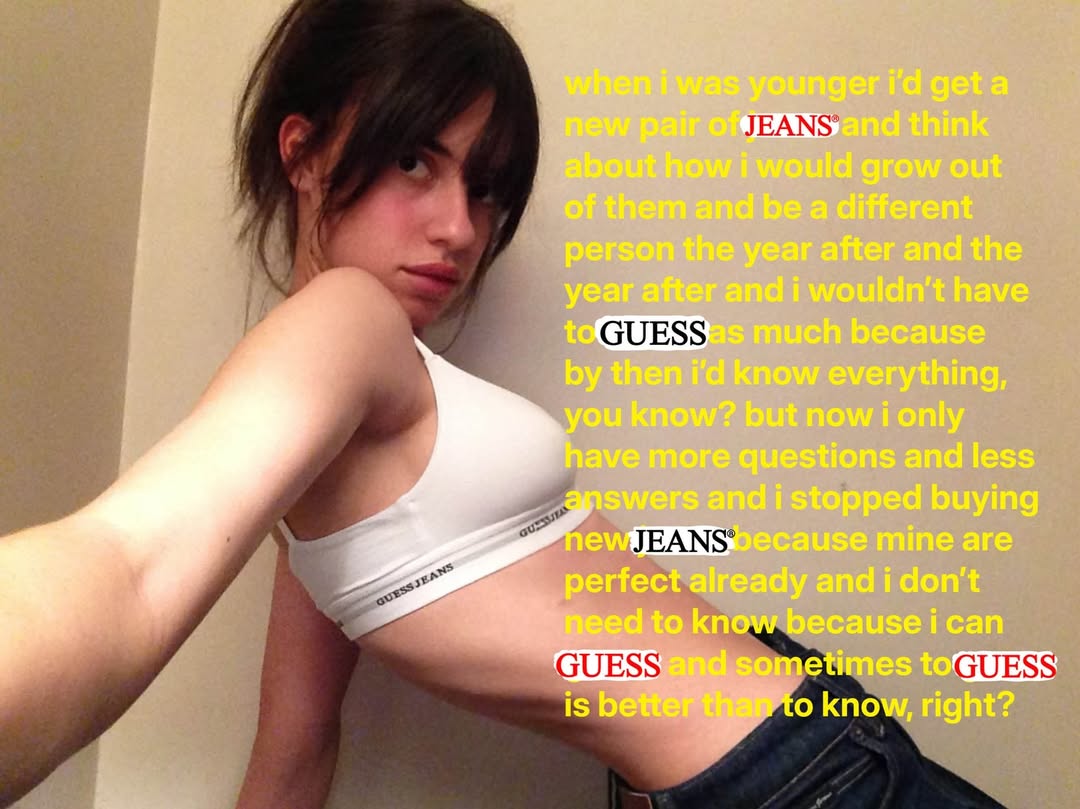
GUESS Jeans has marketed correctly, catering to those who crave for their identity within the walls of Tumblr, who love Charli XCX, viewing her as a pioneer, and amplifying the current message: you don’t need big names to make something cool. Anonymity and avoiding oversharing is cool. Its niche: mysticism and curiosity wrapped into a campaign, giving what young viewers crave while keeping it as a fashionable aesthetic.
The fashionable aesthetic in this campaign can be viewed as a calculated embrace of the industry’s 20-year trend cycle. With the resurgence of Y2K low-rise denim jeans falling right above the hip, the nonchalance of indie sleaze and the layering of fabrics seen in the early 2010s silhouettes, commonly seen with baby tees, straight-leg slouchy jeans and washed-out denim tones. Reintroducing these cuts appeals to the online Gen Z viewers, appealing to those looking for something they’ve once experienced in childhood or have seen through fashion’s memory. The brand reframes its identity as one that is internet-native but also everlasting due to the simplicity of its campaign and choice of clothing.
GUESS Jeans is no longer merely participating in a trend, having seen their previous campaigns compared to a less luxurious Ralph Lauren for the youth. It deviates from the structured tailoring, legacy silhouettes and old money uniformity. They are now able to respond to a broader cultural reckoning. With a generation shaped by algorithmic saturation, constant visibility, and isolation, this notion of nostalgia operates as resistance and refuge for young consumers. The revival of this Tumblrification aesthetic reflects a time before identity was content, now identity is relatable. GUESS Jeans’ campaign stands out from the crowd, succeeding in doing so by no longer overexplaining itself through ambiguity and emotional familiarity. As shown with their basic statement pieces, a white top paired with reliable denim jeans.
This is Gen Z’s wider culture shift. It is away from aspiration and perfection; it reminds us that this generation feeds off of nostalgia into creating a sense of identity we can all relate to. What was lost in recent years can still be felt and brought back fully recovered.