nostalgia, n. — from the Greek nostos, homecoming, and algos, pain. The ache of wanting to return.
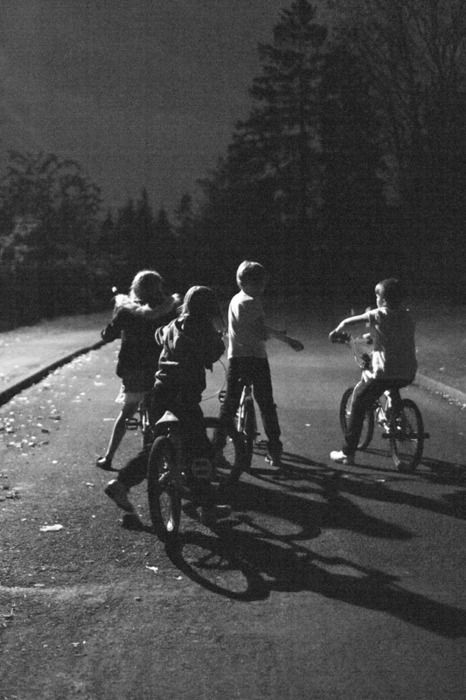
New York in the 90s, Paris in the 20s.
Your 18th Birthday party or your first memory with your friend.
That one summer you spent exploring every nook and cranny of your city, that one song that transports you to a different time in your life, or even seeing the pack of cigarettes your ex used to smoke. Regardless of the fragments which preserve these memories through images, sound or emotion, those memories belong to a world which no longer exists. No matter how we lived through these memories, or the wishes that consumed us, nostalgia possesses the power to alter our perception of both the past and the present.
For you reading, ask yourself this: What is it that makes us yearn for the remnants of our past? Why does our heart ache for a time that has long passed, a memory almost faded? Why is it that we long for a home that was never ours? Maybe we seek an escape. Perhaps those memories offer us comfort in our darkest times, reminding us of a time before the uncertainty of the present.
So, why do we keep chasing something we can never return to, and how can we learn to create, despite that longing?
As the dictionary says, nostalgia describes the pain of wanting to return. The Swiss physician who coined the term defined the condition as a diagnosis, something waiting to be cured. Yet unlike other ailments, emotions cannot be so simply solved. Recognising the gap between the past and the present, realising that the past cannot be retrieved and somehow believing the past to be better than the present is a dire and all-encompassing emotion.
Leaving one feeling confused, from the mourning of the past, the longing for the moment, yet finding grace and gratitude for that very moment, bound in time, nostalgia can hit in the most unexpected ways. Lately, I’ve come to terms with the fact that this plethora of emotion is simply my mind’s attempt at comforting me through a period in time where change is all around me. It helps me process the end of a chapter, reconnect with an earlier, maybe idealised version of myself, and even helps me prepare for the beginning of a chapter anew.