Icon

When The State Sleeps In My Bed

When The State Sleeps In My Bed

When The State Sleeps In My Bed

Identity can be a sticky journey – finding out who you are, what you want and who you want to be is an omnipresent endeavour that is not made easy by the globalist undertones of our society. But here, I take a much more personal stance on how identity can be developed, specifically British identity, when coming from a different place. And how, in highly politicised situations, identity becomes something that has to be acquired for reasons entirely wound to politics and survival. Fabricating a materialistic view of identity development.
by

Teodora Georgescu

2 min read

2 min read

Blog Image

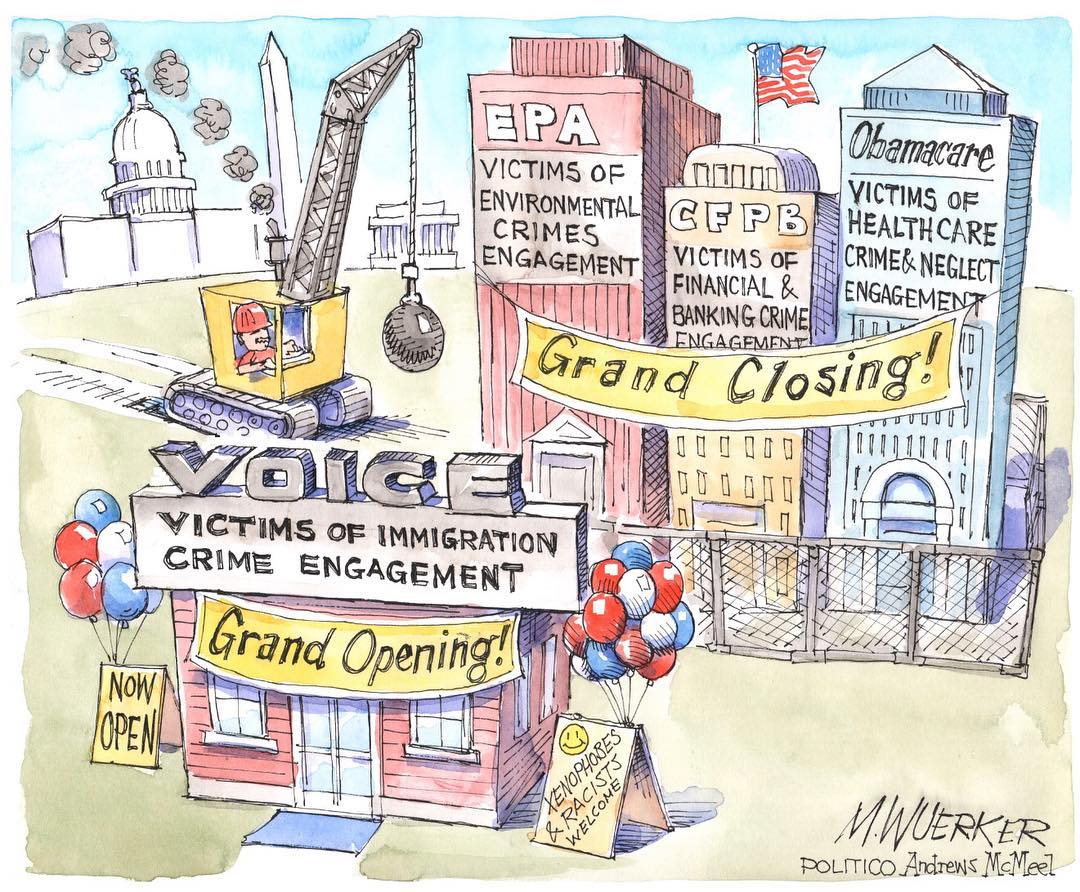
Figure 1 - @politico


When I was 7 years old, my parents and I moved to England. My dad drove my god-parent’s truck, rammed with our furniture and in tow with a close friend of the family, all the way from Romania to the South of England. This was in 2012, when the country was strewn with palpable flickers of national pride, people danced around unconcerned and unbothered by the bottomless spiral of their economy, yet immigration still weighed heavily on the hearts of those who believed it to be the source of all their problems. I was only 7, so politics felt far away for me and for my family. My parents and I lived in the same room for a few months, and my mother sometimes worked heavy night shifts. I went to school not far from our four-walled little home, and, despite the comatose and at times bipolar splendour of our new little town, England still felt fresh and light-hearted. I did not feel very different, and I did not understand that the world around me was beginning to define itself based on the conditions of my difference.


What was immediately obvious to be then, as it is now, is that being an immigrant is something that you feel more than understand. At the time, immigration was a buzzword in British politics. It was a discursive term that allowed people to easily define their own identity, either in opposition or in support. Net migration to the UK had indeed risen significantly, and public debate ensured to incessantly frame immigration as a pressure on public services and national identity. But for actual migrants, this discourse felt so far removed from what being a migrant is that these debates existed parallel to everyday life rather than within it.
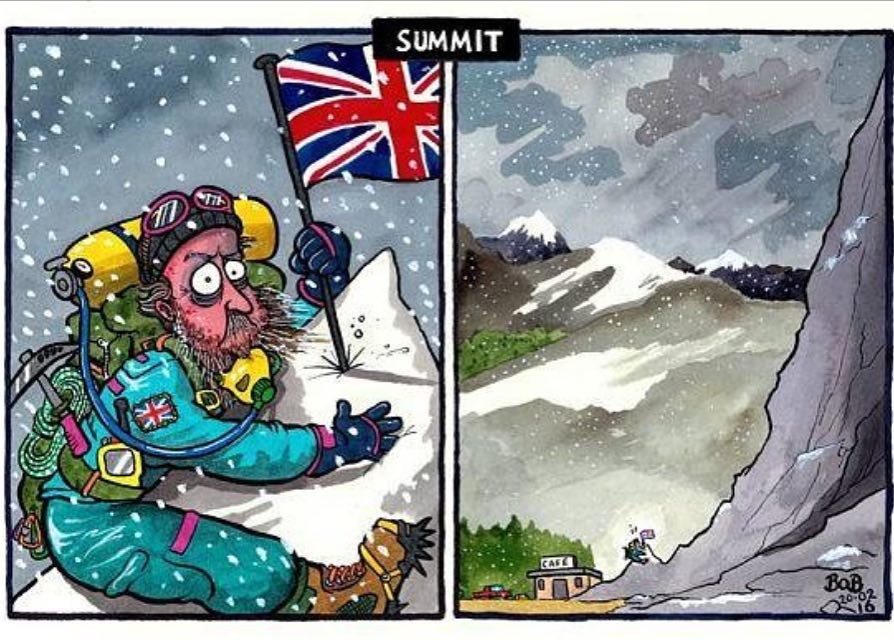
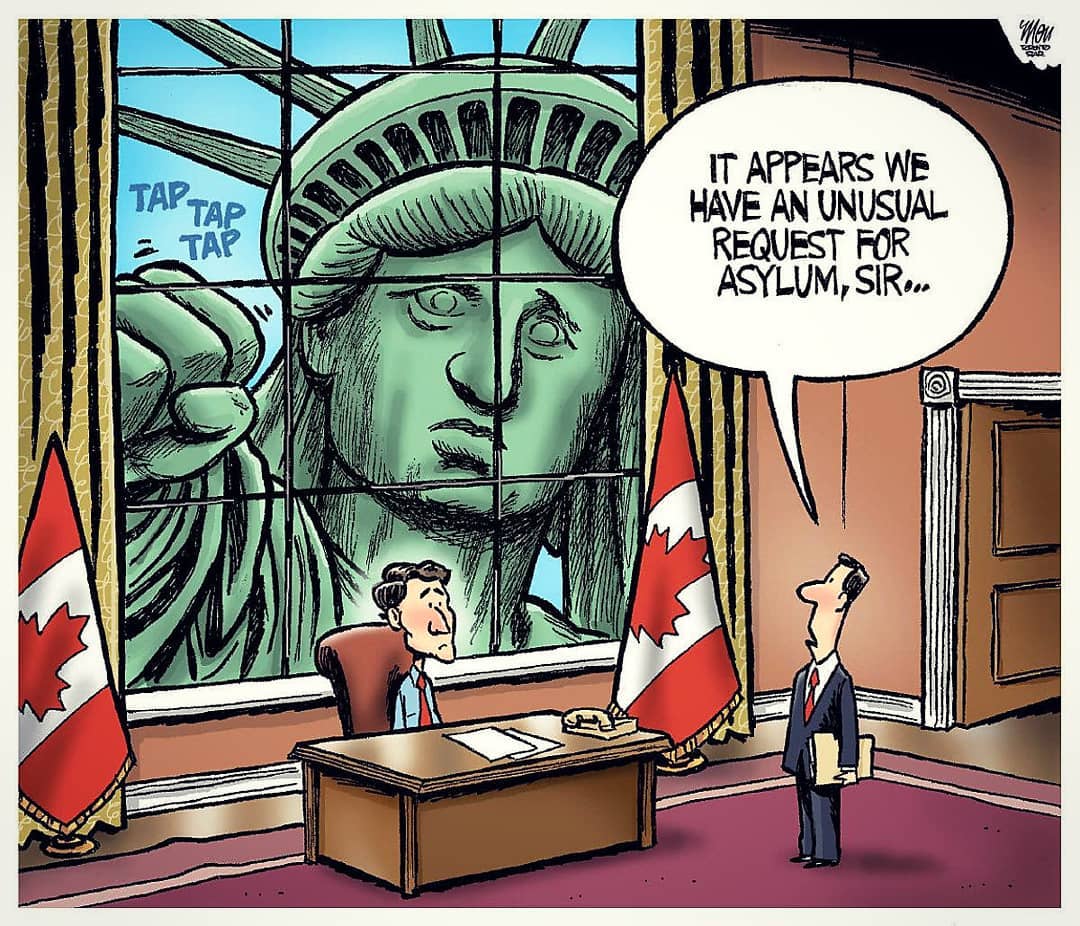
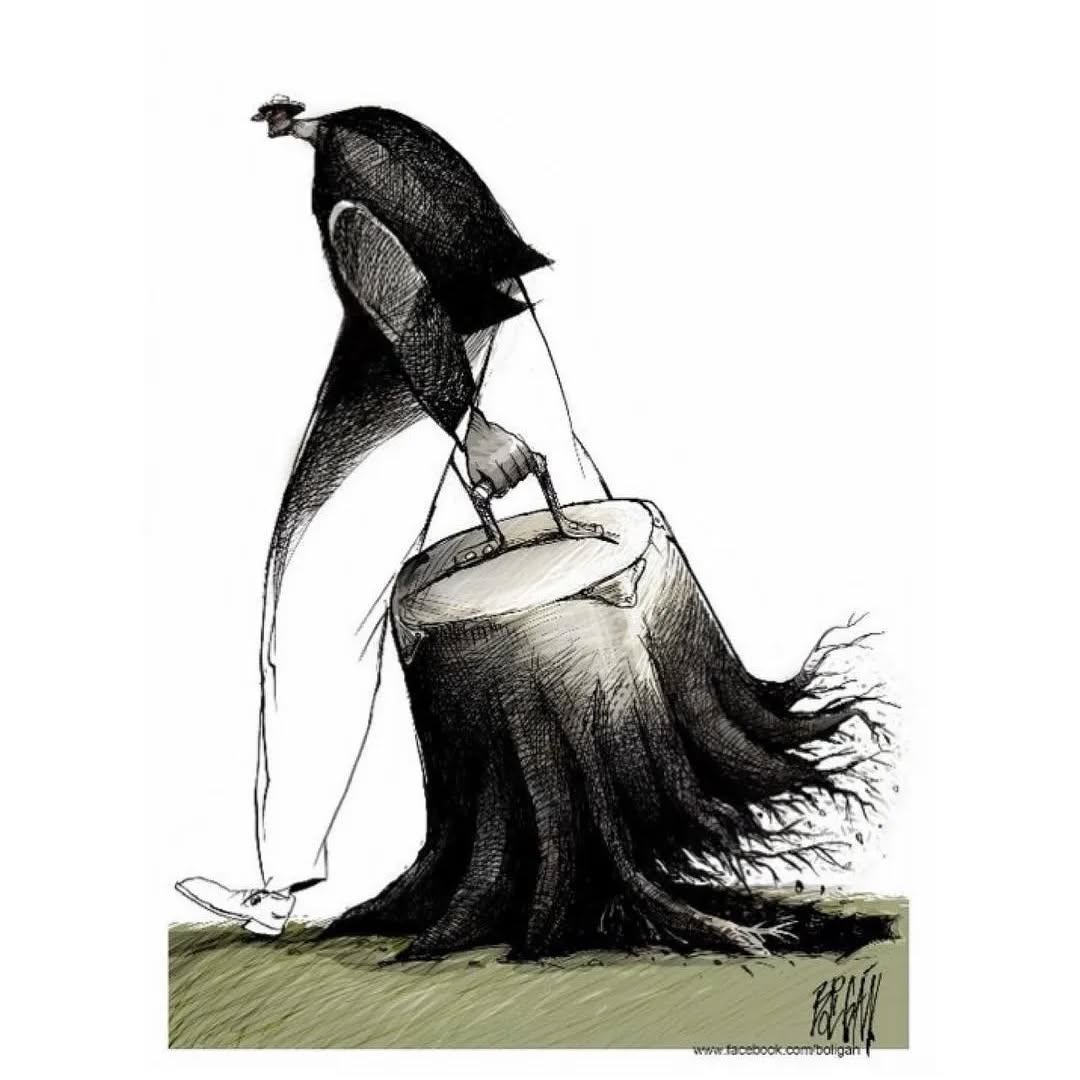
Figure 2 - @thanksalotdon


What political identity can come down to is emotions. Emotions are not always private, but rather that they are cultural practices that circulate between bodies. Emotions can be ‘sticky’ and can accumulate over time, thus attaching themselves to specific subjects or objects (such as ‘migrant’). This is why ‘The Immigrant’ is such a pervasive presence, becoming only more and more emotive and compelling as time has passed. It is the sharpest edge of every knife mobilised by political parties, and it has stood, slightly blurred and undefined, against the English people for decades. I was 11 when Brexit happened, when nationalistic paraphernalia began seeping through the cracks of that humdrum little town, and through the plaster of my house and conversation. Although not immediately divisive, there was a sense of urgency. My parents and their close friends all began gathering documents, patchworking an outline of the perfect English citizen, using immigration documents, income records, tax records, references and just about every letter we’d ever received from any formidable institution, to remind this now comatose government that what we were, was not disposable. Brexit, being only one example, shone with memories of ‘our England’. It was ownership, and it was exclusion, it was not budgetary concerns or gleams for a brighter future. The borderline became an act of performance; thus, Brexit was not just a referendum but a ritual performance of sovereignty. And in our present world, where immigration has been framed, time and time again, as being driven and validated by these bureaucratic standards, the rights of a citizen are made legible by their value in a system that is hooked to the wires of an immovable hierarchy, between the right and wrong kind of immigrant.


Initially, Brexit felt more like a threat than something that took effect in everyday life. Although it did not immediately alter everyday life but it introduced a new form of administrative precaution. Bureaucracy and residency rights became the site upon which immigrants could be validated, these became central instruments of belonging and integration. Citizenship, therefore, comes to be the determiner of access to security, mobility and protection.


The political consequences of this extend far beyond policy. When immigration becomes a central organising theme in political discourse, not only does it drive identity production by essentially cornering people, but migrants become these faceless symbols mobilised within broader ideological struggles. Politicians use migrants in order to explain economic pressures or national decline and build an oppositional identity in doing so. This view continues to obscure a very basic historical reality, migration having long been a structural feature of British society, from post-war Commonwealth migration to the movement of people within the EU. Population mobility has long shaped the country’s cultural life and demographic composition. The very idea of being or becoming ‘British’ becomes this middle space, in which coming from a migrant background will always generate an incompatibility with the prospects of belonging entirely.


@brexit_cartoons

@minimalha


Not long ago, I’d gotten a call from my mother. Within our usual conversation and after a day of being particularly bombarded by the Farage façade, I’d blurted out that I don’t ever really want to return to England, that I’m not ready to go back there, to that life. I immediately followed this up with a proposition that, despite it all, I should apply for the passport. The passport, which had been dangling there, over my head, for years now, has a certain stickiness to it that latches to my tongue. Now, again, it feels as though we are being thrust into a sense of urgency, getting the passport is strategic, it’s protective. It is not full of pride or validation. Things that once signposted cultural integration are now being chased after for means of defence. Buying a house, getting a passport, and learning the language. Everything is now about survival, and the system itself is being used to undermine the very foundations upon which it is built. Trying to dive beneath the gate right before it closes. And so, identity becomes about survival, not about internal consolidation, but about being able to point to something and say, ‘yes, this is evidence of who I am’ This is where citizenship essentially becomes a technology, something that can be used to render you visible in the right way.


The borderline has always been personal. It began in Bucharest, between the CD holder and the living room rug and stretched, followed me all the way through to the little room on Elm Grove, and it now finds itself here, on the coattails of my jacket in Amsterdam. The borderline is in motion, growing limbs and growing older.


Keep Reading

0%

Keep Reading

0%