Brand Logo
Icon

The Art of Looking: Wild Instincts and Modern Muses

The Art of Looking: Wild Instincts and Modern Muses

The Art of Looking: Wild Instincts and Modern Muses

“Inspiration, the creative spark, the thing that arrives in a flash, as if it were a lightning strike of genius, a timed revelation, a mood board assembled through Pinterest via fate. Though often spoken about through spontaneous combinations of ideas, the most enduring creative figures understood something quite different. Inspiration is rarely an accident; it is an act of looking.”

by

Onelia Helene

3 min read

3 min read

Blog Image
Blog Image
Blog Image

Bianca Jagger at Halston's house, New York, photograph by Andy Warhol. 1976.

Bianca Jagger at Halston's house, New York, photograph by Andy Warhol. 1976.

Bianca Jagger at Halston's house, New York, photograph by Andy Warhol. 1976.


Long before algorithms began to feed us endless streams of references, designers had already built entire universes from the people, the places and the symbols that captivated them. They have always offered some of the clearest examples of this process; their work consistently reminds us that inspiration is less about imitation and more about interpretation.


If you found the old man and his coat captivating, you’ve already interpreted it, and you may begin pondering how that inspiration can be visualised and represented in your work. It’s a creative philosophy.


Two designers in particular demonstrate how inspiration becomes a creative philosophy. Halston and Roberto Cavalli. Ironically, their work and their history inspired me to write this piece.


Though their aesthetics reside on opposite sides of the spectrum, the two iconic men transformed external influences into visceral visual language that will forever resonate with our world today.


Roy Halston Frowick’s (1932-1990) inspiration lived in people. The Iowan-born designer rose to fame in the ultimate 1970s New York scene, which coincided with the cultural shift of freedom, glamour, and self-expression, contrasting the Midwestern stoic humility, conformity and utilitarianism that shaped his upbringing. While the Midwest often emphasised this restraint and functionality, Halston yearned for women who embodied confidence, visibility and their cherished independence. And what made Halston’s work revolutionary wasn’t simply the clothes themselves; it was his vision of the women who wore them.


His elegant, striking muses, from Bianca Jagger to Pat Cleveland to Liza Minnelli. These women were not passive inspirations pinned to a studio wall. They were his collaborators, the women who lived and breathed and moulded his pieces. Each of them embodied a different expression of modern womanhood. They were independent, confident, and sensual, moving with ease that captivated thousands.
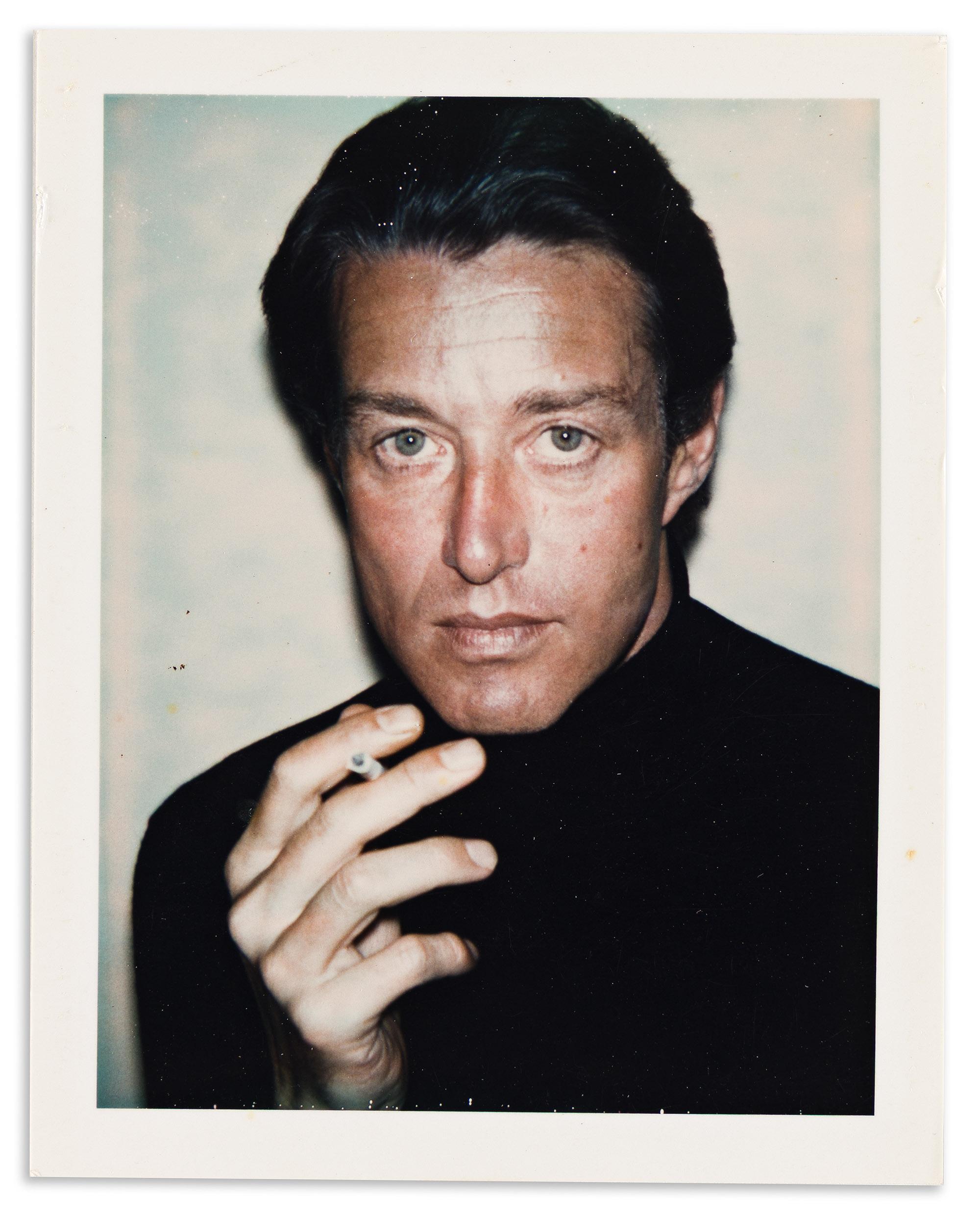
Halston by Andy Warhol. 1974.

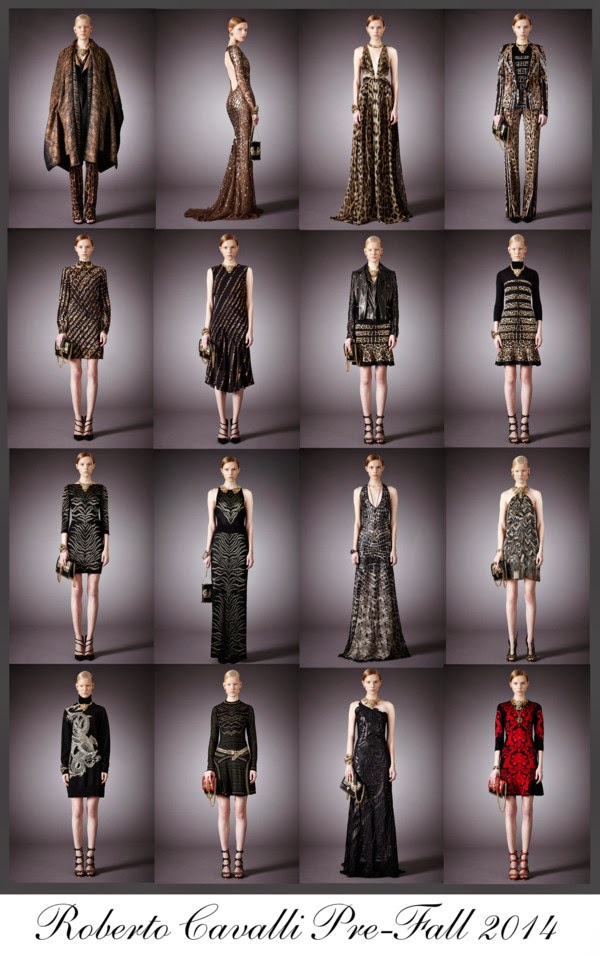
Roberto Cavalli Pre-Fall 2014


Halston observed how these women occupied space. The way they danced under the glistening lights of Studio 54, how they travelled in luxury and laughed with elegance exuding from each pitch, and lived life without ever looking back. The simplicity and fluidity of his iconic silhouettes emerged from studying real lives rather than abstract design concepts. His garments swayed because his muses moved in such a manner.


There is an important lesson here for contemporary creatives. Inspiration does not always begin with an object, an archive or a trend. Sometimes it begins with people. The individuals who challenge us, fascinate us, or represent possibilities we have yet to explore ourselves. In a culture obsessed with collecting references, Halston reminds us to collect experiences through humanity instead.


For artists, writers, photographers, stylists, the question becomes: Who are your muses? The people who alter your perspective. The friend whose confidence shifts presences in a room. The stranger whose personal style makes you do a double-take. The creative whose work influences you to push beyond your comfort zone.


This inspiration arrives wearing human form.


And if Halston found inspiration through observation and people, Robert Cavalli discovered it instinctively.


Robert Cavalli (1940-2024) emerged from a suburb of Florence, Italy and throughout his career, he transformed the natural world into a theatre of excess. He began to find inspiration through floral patterns before discovering his signature animal prints. The zebra stripes, leopard spots, and exotic leather textures moved beyond decoration and into the realm of his namesake’s identity.


His collections invited wearers to embrace a version of themselves untouched by convention, as his animal motifs represented more than aesthetics. They symbolised power and untamed individuality. He was not reproducing nature; instead, he was reimagining its energy through an approach that treated inspiration as translation. An approach that is particularly relevant today.


His leopard print dress is not just about a leopard. It exudes and expresses confidence. The tiger stripe is not just about wildlife. It’s about presence and sensuality. This distinction is important because it reveals the true function of inspiration. Creative influence isn’t a photocopying process; it acts as an extraction of meaning.


The strongest creative work emerges when we ask the deeper question of what symbol, image, person, or place moves an artist's piece. And for Cavalli, the answer didn’t solely rely on visuals; it was about the fluidity of the person who transformed his piece into their own identity. Through this, inspiration becomes a process of uncovering emotional truths hidden behind ordinary observations. For creatives, this is perhaps Cavalli’s greatest lesson: when something captures your attention, you go beyond its appearances.


Robert Cavalli (1940-2024) emerged from a suburb of Florence, Italy and throughout his career, he transformed the natural world into a theatre of excess. He began to find inspiration through floral patterns before discovering his signature animal prints. The zebra stripes, leopard spots, and exotic leather textures moved beyond decoration and into the realm of his namesake’s identity.


His collections invited wearers to embrace a version of themselves untouched by convention, as his animal motifs represented more than aesthetics. They symbolised power and untamed individuality. He was not reproducing nature; instead, he was reimagining its energy through an approach that treated inspiration as translation. An approach that is particularly relevant today.


His leopard print dress is not just about a leopard. It exudes and expresses confidence. The tiger stripe is not just about wildlife. It’s about presence and sensuality. This distinction is important because it reveals the true function of inspiration. Creative influence isn’t a photocopying process; it acts as an extraction of meaning.


The strongest creative work emerges when we ask the deeper question of what symbol, image, person, or place moves an artist's piece. And for Cavalli, the answer didn’t solely rely on visuals; it was about the fluidity of the person who transformed his piece into their own identity. Through this, inspiration becomes a process of uncovering emotional truths hidden behind ordinary observations. For creatives, this is perhaps Cavalli’s greatest lesson: when something captures your attention, you go beyond its appearances.


Appearances that investigate the feeling behind it. Is it freedom? Strength? Nostalgia? Rebellion? Like a filmmaker inspired by a landscape who explores isolation or a designer drawn to a flower, translating it into fragility or resilience. Cavalli understood that inspiration becomes powerful when it goes beyond what it simply looks like, transforming it into what it represents.


Halston looked toward the people while Cavalli looked toward nature. They both understood that inspiration required an aspect of curiosity and recognised that creative originality is born through developing a relationship with it rather than avoiding its influence.


At a time when visual culture moves at unprecedented speeds, inspiration may feel flattened into a cycle of trends and references. But the key to avoiding being trapped in said cycle is encouraging us to step out by observation, noticing and extending. We need to ask ourselves why certain images or visuals speak to us in the first place. How can we look outward with empathy and imagination, or cultivate inspiration without viewing it as something we consume?


This distinction is crucial for contemporary creatives. Hence, why inspiration should be treated as a practice rather than a simple reference. A practice that requires attention, reflection and curiosity. Prompting us to investigate the stories, emotions, and the meaning beneath them so we can transform them into something personal.


The challenge here isn’t just finding inspiration. It’s learning how to see it.


And perhaps, that is the enduring legacy of fashion’s greatest visionaries. They teach us that inspiration is less about discovering something new, but about discovering a new way to look at what’s been there all along.


Roberto Cavalli Pre-Fall 2014

The Voice of Fashion. 2024.

The Voice of Fashion. 2024.

Halston by Andy Warhol. 1974.


Appearances that investigate the feeling behind it. Is it freedom? Strength? Nostalgia? Rebellion? Like a filmmaker inspired by a landscape who explores isolation or a designer drawn to a flower, translating it into fragility or resilience. Cavalli understood that inspiration becomes powerful when it goes beyond what it simply looks like, transforming it into what it represents.


Halston looked toward the people while Cavalli looked toward nature. They both understood that inspiration required an aspect of curiosity and recognised that creative originality is born through developing a relationship with it rather than avoiding its influence.


At a time when visual culture moves at unprecedented speeds, inspiration may feel flattened into a cycle of trends and references. But the key to avoiding being trapped in said cycle is encouraging us to step out by observation, noticing and extending. We need to ask ourselves why certain images or visuals speak to us in the first place. How can we look outward with empathy and imagination, or cultivate inspiration without viewing it as something we consume?


This distinction is crucial for contemporary creatives. Hence, why inspiration should be treated as a practice rather than a simple reference. A practice that requires attention, reflection and curiosity. Prompting us to investigate the stories, emotions, and the meaning beneath them so we can transform them into something personal.


The challenge here isn’t just finding inspiration. It’s learning how to see it.


And perhaps, that is the enduring legacy of fashion’s greatest visionaries. They teach us that inspiration is less about discovering something new, but about discovering a new way to look at what’s been there all along.


Halston observed how these women occupied space. The way they danced under the glistening lights of Studio 54, how they travelled in luxury and laughed with elegance exuding from each pitch, and lived life without ever looking back. The simplicity and fluidity of his iconic silhouettes emerged from studying real lives rather than abstract design concepts. His garments swayed because his muses moved in such a manner.


There is an important lesson here for contemporary creatives. Inspiration does not always begin with an object, an archive or a trend. Sometimes it begins with people. The individuals who challenge us, fascinate us, or represent possibilities we have yet to explore ourselves. In a culture obsessed with collecting references, Halston reminds us to collect experiences through humanity instead.


For artists, writers, photographers, stylists, the question becomes: Who are your muses? The people who alter your perspective. The friend whose confidence shifts presences in a room. The stranger whose personal style makes you do a double-take. The creative whose work influences you to push beyond your comfort zone.


This inspiration arrives wearing human form.


And if Halston found inspiration through observation and people, Robert Cavalli discovered it instinctively.


Keep Reading

0%

Keep Reading

0%