Art can feel completely autonomous. But there have been moments when staring into the eyes of a piece of art does not bring you any comfort, but brings you only further meditations. In that split second shared between you and, say, a painting, there is a brief transfer, or perhaps a negotiation. You are drawn closer and there takes place a shift. Here, I explore the ways in which art can be polarizing. As an entity that is, often, agreed upon as being inherently political, how art can nurture ideological divide.
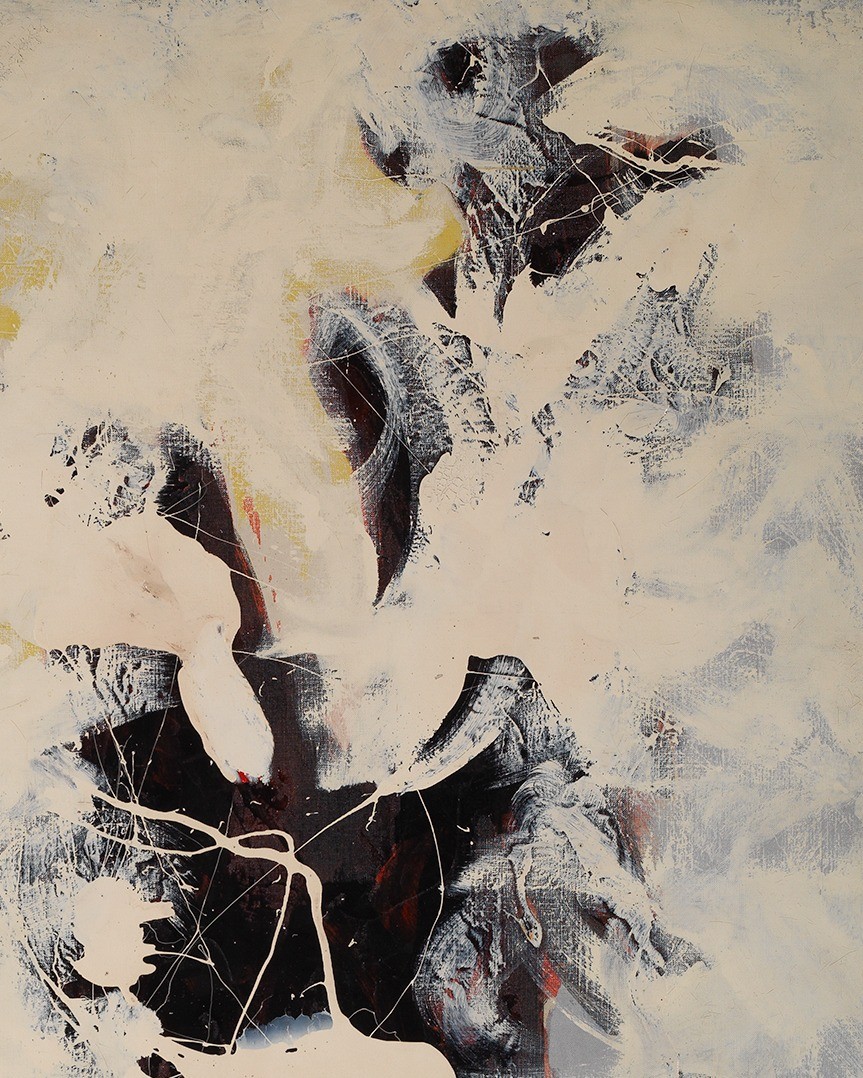
Figure 1 - @centrepompidou
A few weeks ago, I read a very compelling paper in my class. A paper about tongues. The author, Irina Dumitrescu was enthralled by these chameleons on our bodies. She loved evidence of tongues, collected them like an inventory. Paintings of tongues, drawings, sketches, any variety that existed related to those gelatinous organs in our mouths, she found captivating. Her paper drilled on about them in a manner that was hypnotic, delving in and out, under and over all the details of how tongues could exist in all these different states. They could be cut, torn, or threatened in their existence. Eventually, her fortified descriptions moved away from these phantom re-enactments of tortured or bent tongues and instead became metaphors or sites of meaning production. She spoke of how a picture of a tongue could be directly connected to the idea of the mother tongue. From here, she tentatively begins recounting her own lifelong relationship and perpetual fluctuations with her own mother tongue, which so happens to be Romanian.
Yes, I thought to myself whilst reading this article, this is the perfect transgression. The emphasis on tongues is rich and consistent, proving themselves to be a dynamic appendage to hypothesise about in all these varying ways. But, the thing about tongues, and what struck me immediately, was that a picture or painting of a tongue could be interpretated in several ways. Tongues could be erotic, rebellious, or unnerving. They can also be nostalgic or incredibly sensory. They can also be political symbols. A tongue can represent speech, or a lack thereof. Tongues, mouths, throats, speech. These can all become reminders or signposts of political realities. Mutilated tongues, such as those intrigued by Irina Dumitrescu, can be used to symbolise the silencing of women’s voices in patriarchal or male dominated spaces.
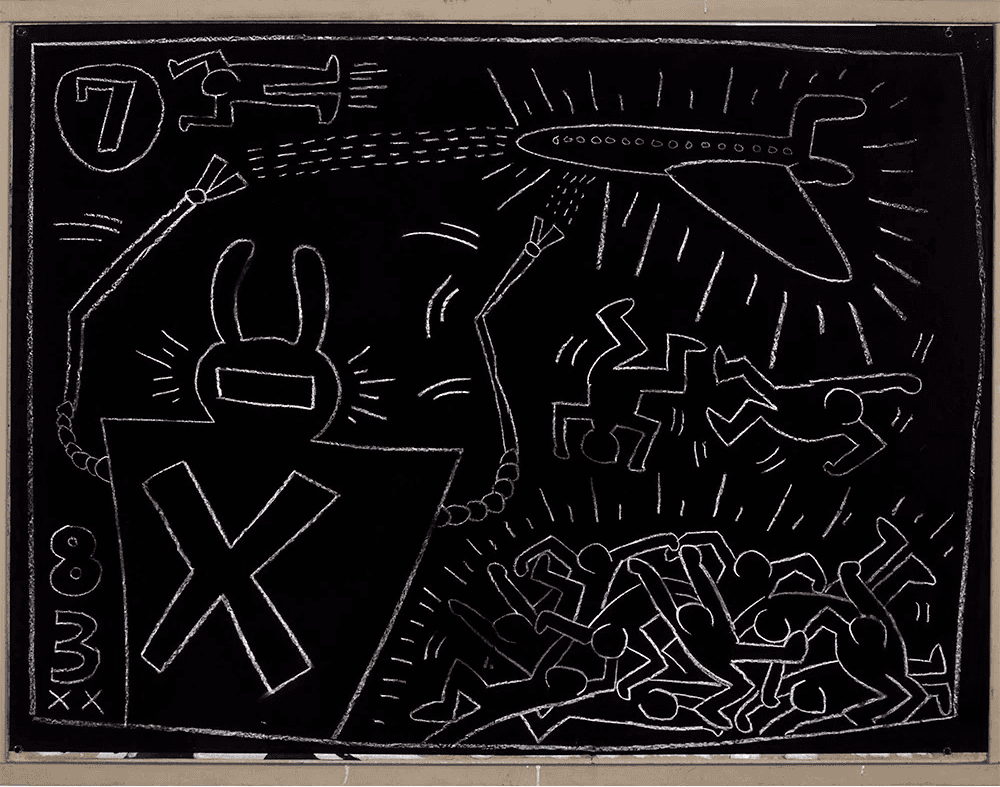
Figure 2 - taken by Teo
Therefore, our interpretation of art can go a long way our perspectives often outstretch themselves in trying to reach several different places. Art, being inherently political, thrives from the relation between the subject and the object. Certain pieces of art feel as though they reach out to us, and whisper to us in hushed tones only we can hear. It is at this point that the power of art becomes interpretative. Our relation to art becomes the backbone for the way in which we interpret it. For example, Irina Dumitrescu’s article, Tongue Stuck, immediately touched me. The image of the tongue in this context, of the mother tongue that is slowly losing traction, was evocative to me, because of my own experiences and worldviews. But to others, the tongue stands as a symbol of, perhaps, pure eroticism. And so, art can reward our interpretations, founded upon our beliefs. And make us feel correct in our interpretations. Here, interpretation becomes a ‘movement’ that gratifies, that is embodied within an inability to look away, an insistence to negotiate, to remain.
In a way, the way we view art, and the way in which it carries such a heavy effect on us reflects the very paradigms of our own identity. Art can be polarising because it is brazen, forcing us to negotiate our own identity whilst it stands there and reaffirms itself.
Here, the power of art and interpretation crosses lines with certain political paradigms. When we interact with art, we are looking to be validated, whether it be in our identity or whether it be in our ‘intellectualism’, art can be divisive and it can form gaping divides purely based off the subjective. Thus it becomes a tool for polarization. Take propaganda for example, certain propaganda does not have to be painfully on the nose, but it can be calm and subtle, almost enchanting. Propaganda essentially feeds off the individual’s subjective interpretation, turning personal emotions into ‘pseudo-truths’ that further aim to manipulate public opinion.
Therefore, the mechanism of viewing art, subtextually interpreting it, stands forefront to the beliefs that underpin our frame of interpretation. Art becomes polarising. And this polarisation is inherently political, tied to a subjective belief that frames our perception. This constant fluctuation and variety that art seems to provoke eventually hardens, and what we believed once to be a multifaceted projection comes to exclude. And in its own sort of alternate world, the different interpretations that we surmise from art start to compete with one another. Eventually, this attention, this specific hyperfixation, begins to snowball. The act of returning to the piece of art is not neutral, you are choosing to fall deeper and deeper into one's reading as opposed to another.
Figure 3 -@gvshp_nyc
Figure 4 - @the_rumpus
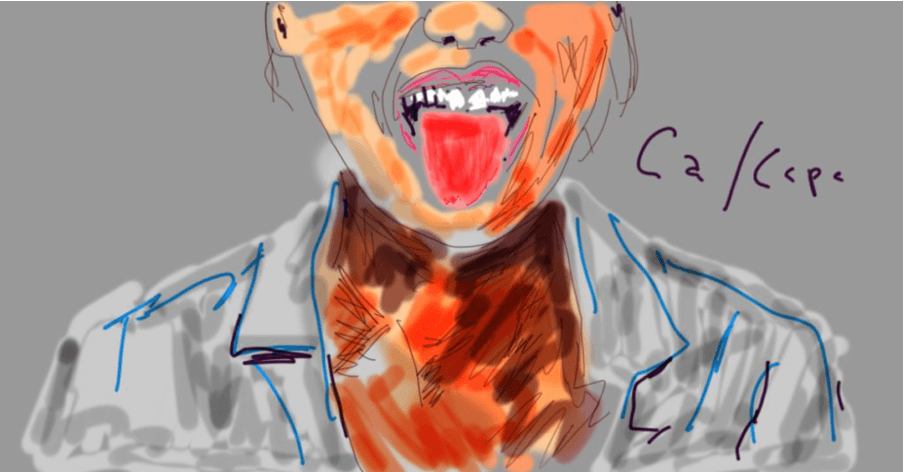
Take the tongue for example. At first, this scrappy drawing of a miscoloured tongue screams at you with ambiguity, sensuality and nostalgia all at once. It feels unreadable, and this is what provokes a second look, and it is within this secondary or further reading that art around us begins standing for something. The tongue must decide on itself and its representation. Is it about violence? maybe about the body? Or is it about language?
In political polarization art can act as a catalyst for intense affective responses, and identity driven likeness or interpretation of certain works of art. In this way, our commitment to art can also be the driver for the widening of ideological gaps. And so, art works can become ideological battlefields. In the end, the tongue does not simply speak, but it divides. And art, in this parallel process, too, forces us to choose a side.