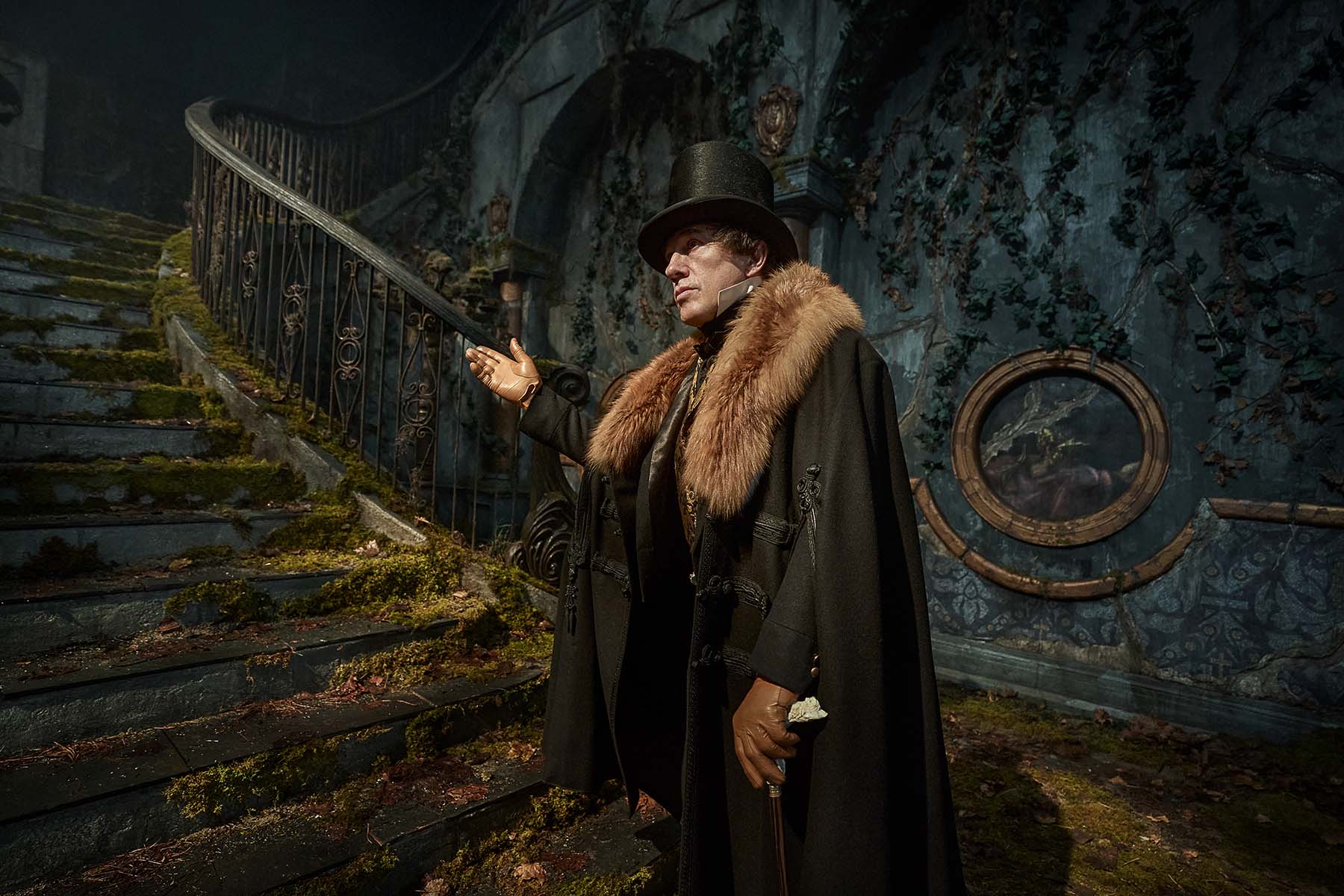
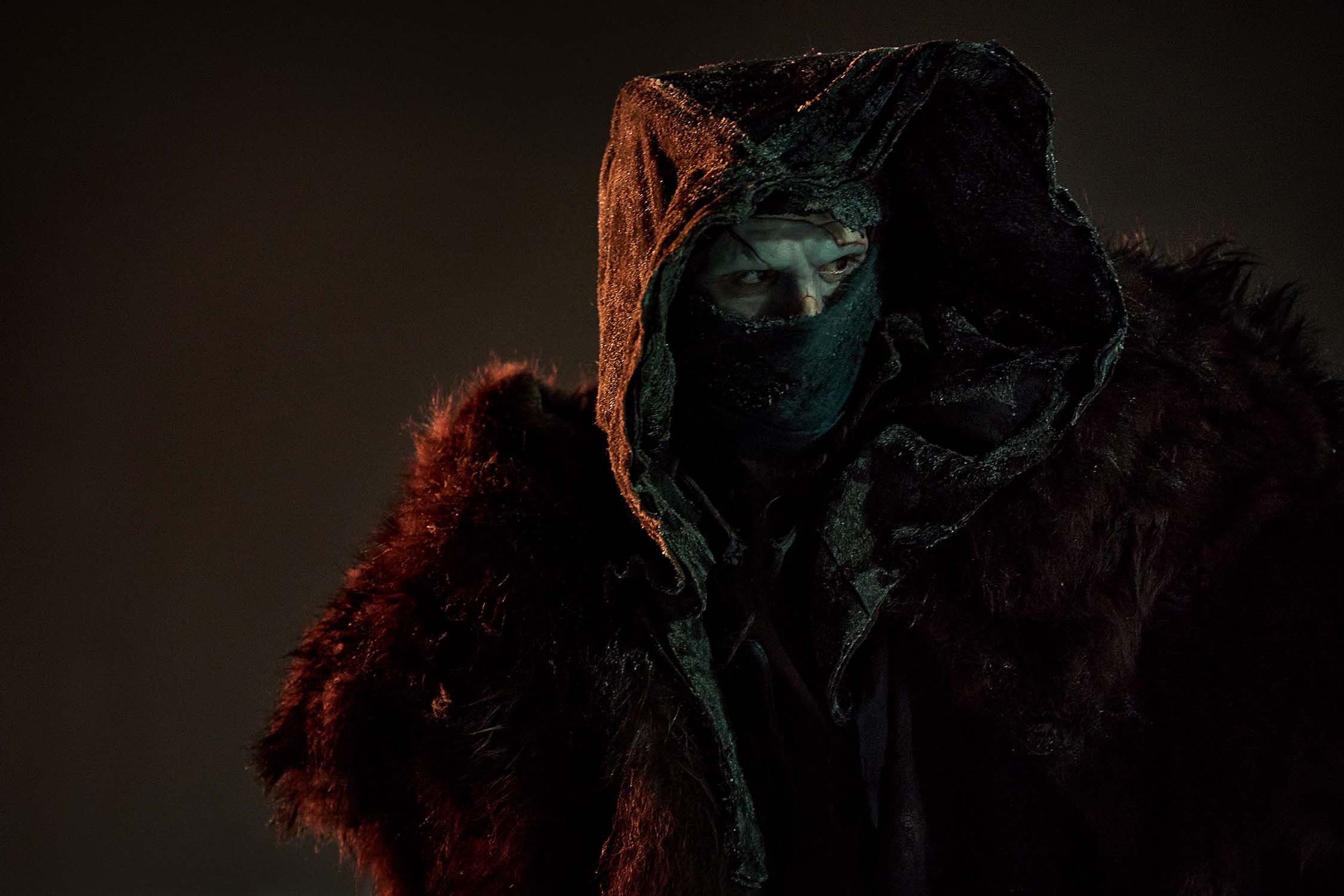
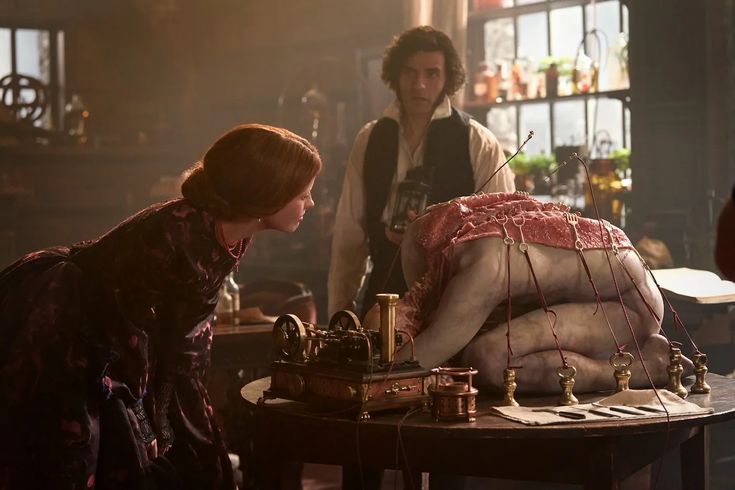
For the debut piece for this column we have taken under the microscope the changes underlying the art that perhaps most of you immediately correlate with the visual - the art of cinema. The days of the movie theatre, as we remember them, seem to be slowly fading into obscurity, whether we like it or not. We believe that the case of Del Toro’s Frankenstein (2025) will provide parallels not just to the general shift toward platformisation in the cinema industry, but to the realities of all kinds of arts that we all hold dear to our hearts, and address the uneasy feeling that we’re slowly losing what made us fall in love with them in the fi rst place.
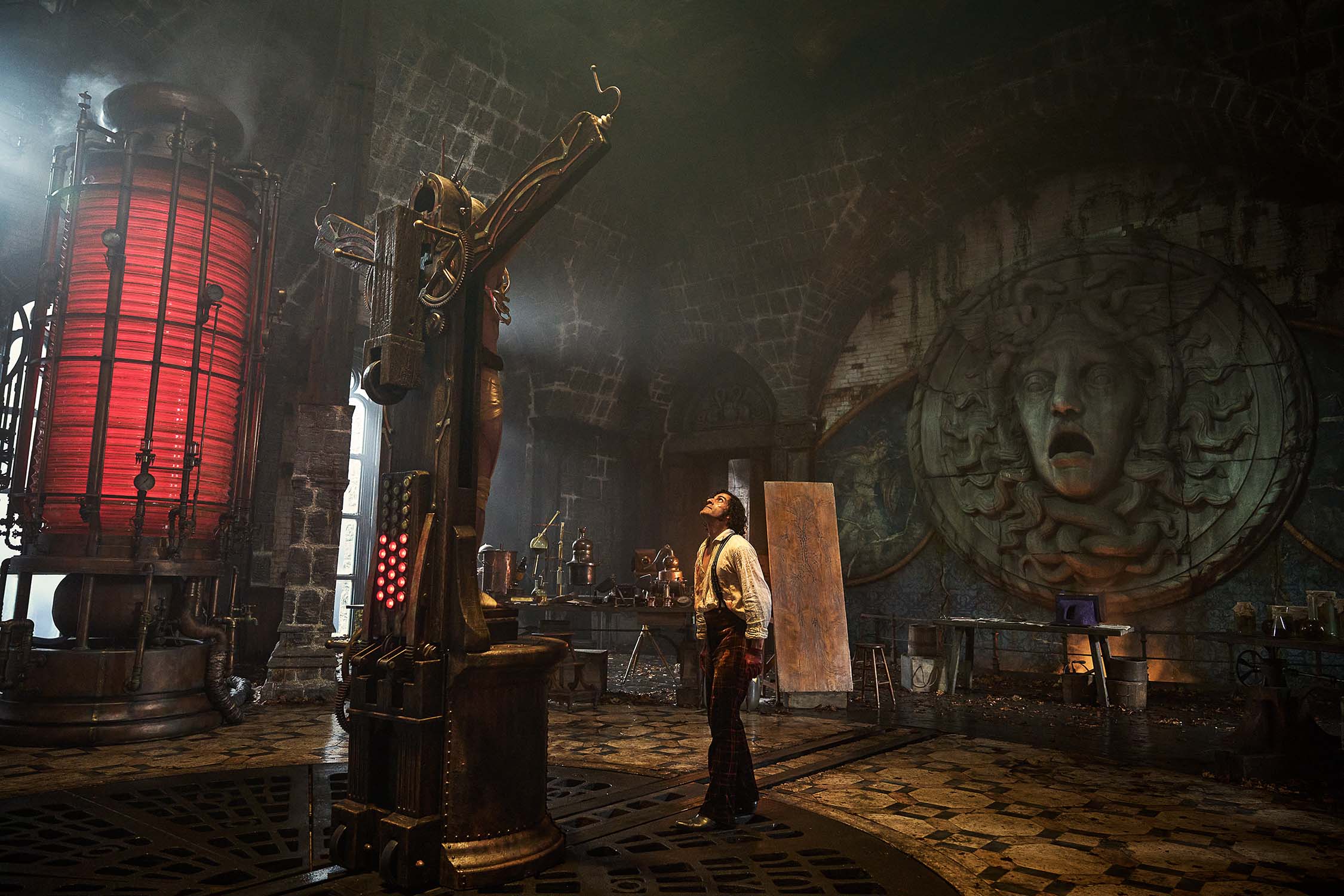
As Guillermo Del Toro's Frankenstein premiered at the famed Venice Film Festival, it was received by a 15 minute standing ovation and it would be hard to argue that such a reception was undeserved. An instant gothic classic, the film boasts an impressive cast, featuring the likes of Christoph Waltz, Mia Goth and Oscar Isaac. Least we forget the phenomenal Jacob Elordi, who brings to life The Creature to great effect, despite joining the production late, replacing Andrew Garfield of Spider-Man fame. Del Toro - one of the most talented directors of his generation, who had dreamed of creating a screen adaptation of Mary Shelley's novel since he was a child, has been given total creative control over the film. Frankenstein's $120 million budget also left space for magnificent costume and set design. With all of the elements mentioned above creating a seemingly perfect storm, one would be excused to assume that Del Toro's Frankenstein would swiftly become a hit.
And yet, it hasn't. At least not by the traditional measures of success in the cinema industry, meaning box office ratings. The movie had a limited theatrical release this Fall, being screened in "select" cinemas for merely three weeks, with box office numbers remaining unreleased. But why is that? Well, the answer to this mystery is simpler than one would think: The movie did not perform well in cinemas because it was never supposed to do so. Not with Netflix producing it.