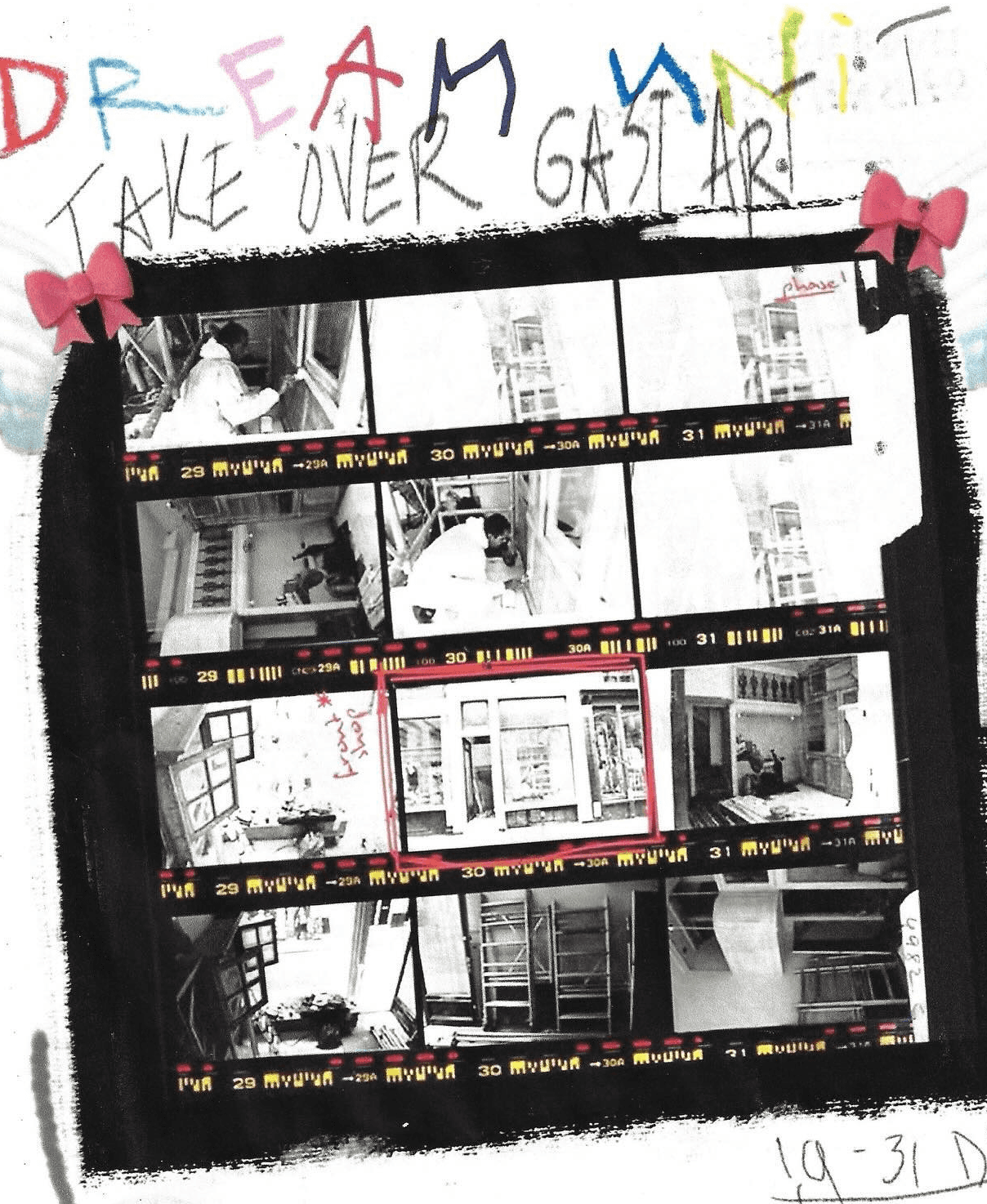
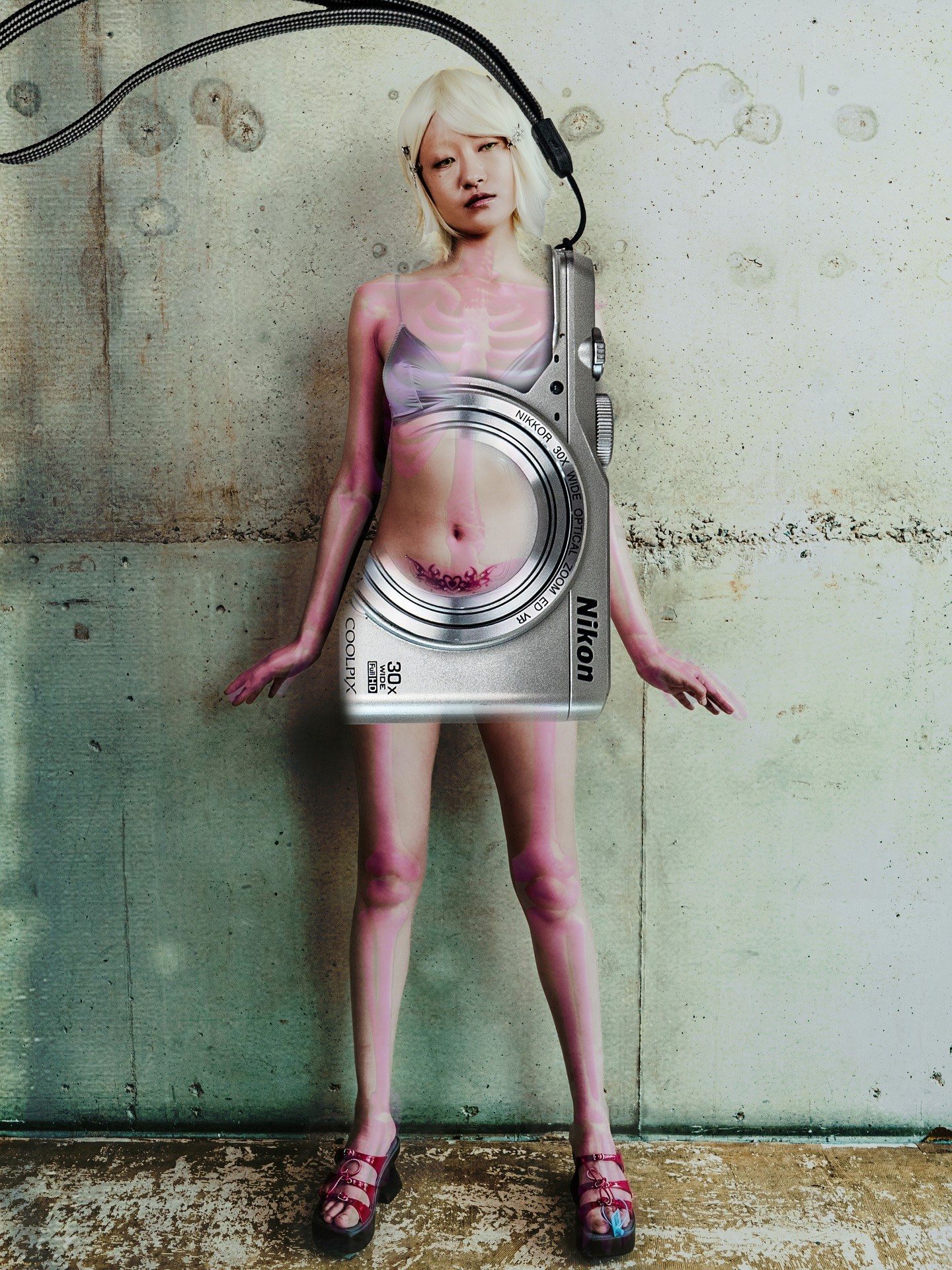
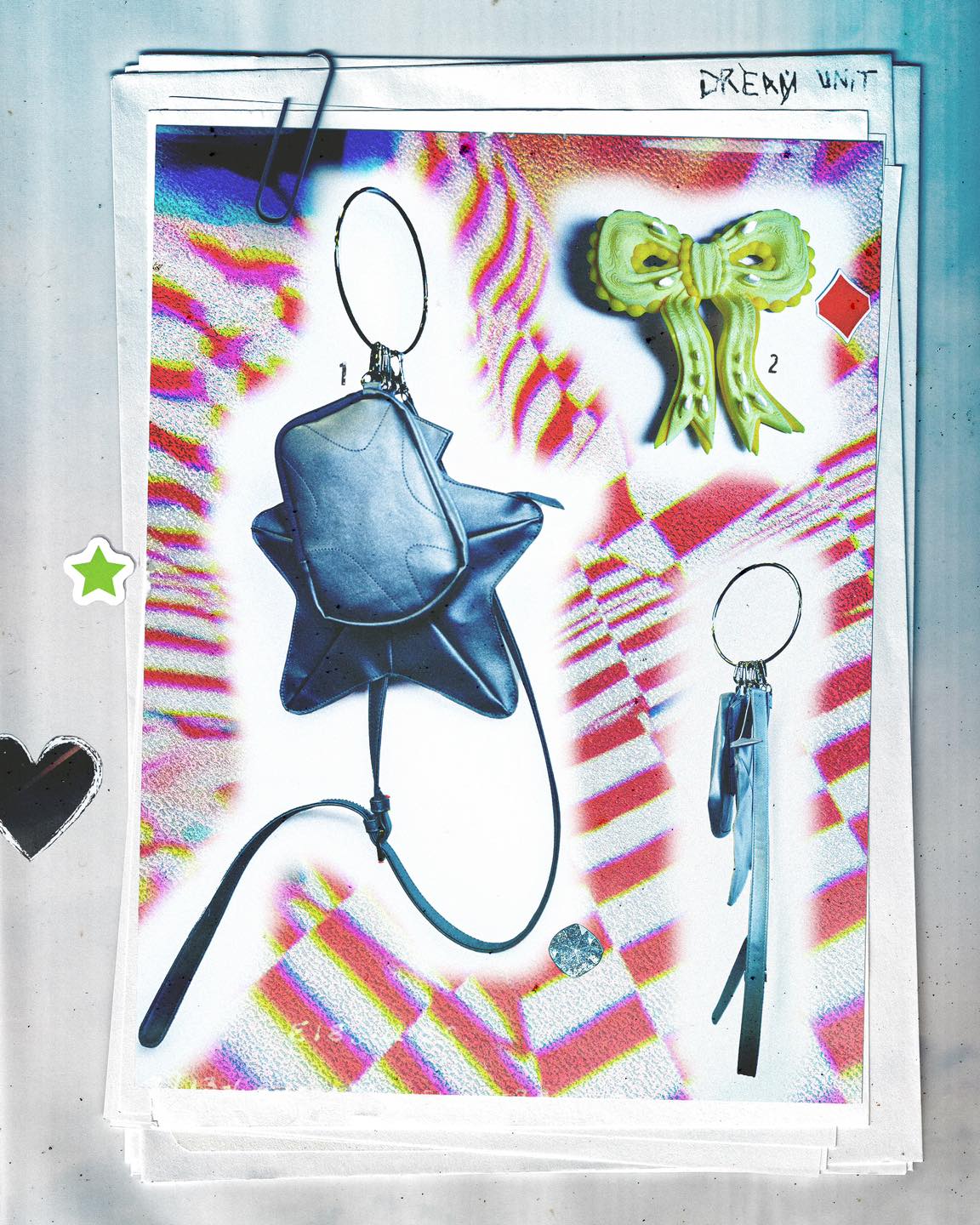
This conversation with Teun, co-founder of Dream Unit, takes us right to the centre of how creative thinking and a structured approach has shaped the very fabric behind one of Amsterdam’s emerging creative spaces. A space rooted in intentionality and community, Teun explains how Dream Unit is both a platform and a mobile space. In here, structure exists not as a looming presence but as a creative crutch; one that sustains both artists and the business itself in growing and evolving. In this interview, Teun reveals something that is perhaps not always at the forefront of emerging creative spaces: the importance of an administrative business model. A transparent approach to realising a creative space. Him and his co-founder: Evy, are different in their responsibilities but unitary in their mission, Teun’s intentional business and financial decisions meet Evy’s creative design to formulate a space at the heart of Amsterdam, geared towards channelling the creative energies of brands and artists through both practical and creative means.
The mingling of structure and art seems oppressive and imposed. A few weeks ago, I sat down with Teun, and we spoke about how, within Dream Unit, this assumption sort of breaks down. Teun and Evy (co-founders) founded Dream Unit two years ago. A space at the heart of Amsterdam emerging as an important creative vessel. Dream Unit is both a platform, for curation and exhibit, and a ‘mobile’ space in which creative ideas can be proliferated. directly combining structure with the raw creative space. During our conversation Teun talks about just how his presence is part of a structural node; he beats the drums of the business model, while his co-founder Evy curates the creative design at the centre of Dream Unit. This division does not dampen creativity but allows creative decisions to be taken without the pressure of commercialism. Dream Unit does not reject structure but reconfigures it in a way that is mutually beneficial. Prompting a question that feels stark. Can art and structure not only co-exist but depend on each other, when it is consciously implemented?
Structure is often seen as a rival to creativity. A force that bulldozes through creative intuition and flattens ideas. This belief can really shine through in places like education, where one often aims to measure creativity or assess it objectively. When I was in high school, I thought I might want to be a writer or a filmmaker, but in the back of my mind, the idea of studying that felt like institutionalizing my passions. Like tying a chain around their necks. Around me, people casually seemed to intuit the same.
My friend once told me that he loved graphic design, or at least the idea of it, but he would never study it because he just knew that school would kill his passion for it. I asked him why he was so sure, and he’d told me that ‘being forced to study something that I love kills the very point of loving that ‘thing’, now I have to be perfect at it.’ So, beneath this dislike of structure was also a fear, and a feeling of having something intuitive be evaluated and numbered. In a way, art always felt like a pure freedom, one that should remain spontaneous and unregulated. And once art converges with structure, such as school or institutions, it no longer feels like art, just a ‘good assignment’.