


For many of our readers, the internet is their canvas. But for some, it can also be their paint. Or their brush for that matter. I mean all of that metaphorically, of course, yet it is true that the internet is for some artists not just a tool, but rather a full-blown medium. For those who were born into a digital world, it has even become enmeshed in who we are. With this article, we will delve deep into the chaotic world of net-art - a forgotten art form and propose how the famously Y2K-thirsty Gen Z might well bring back its broken aesthetic, on a quest to express its identity.
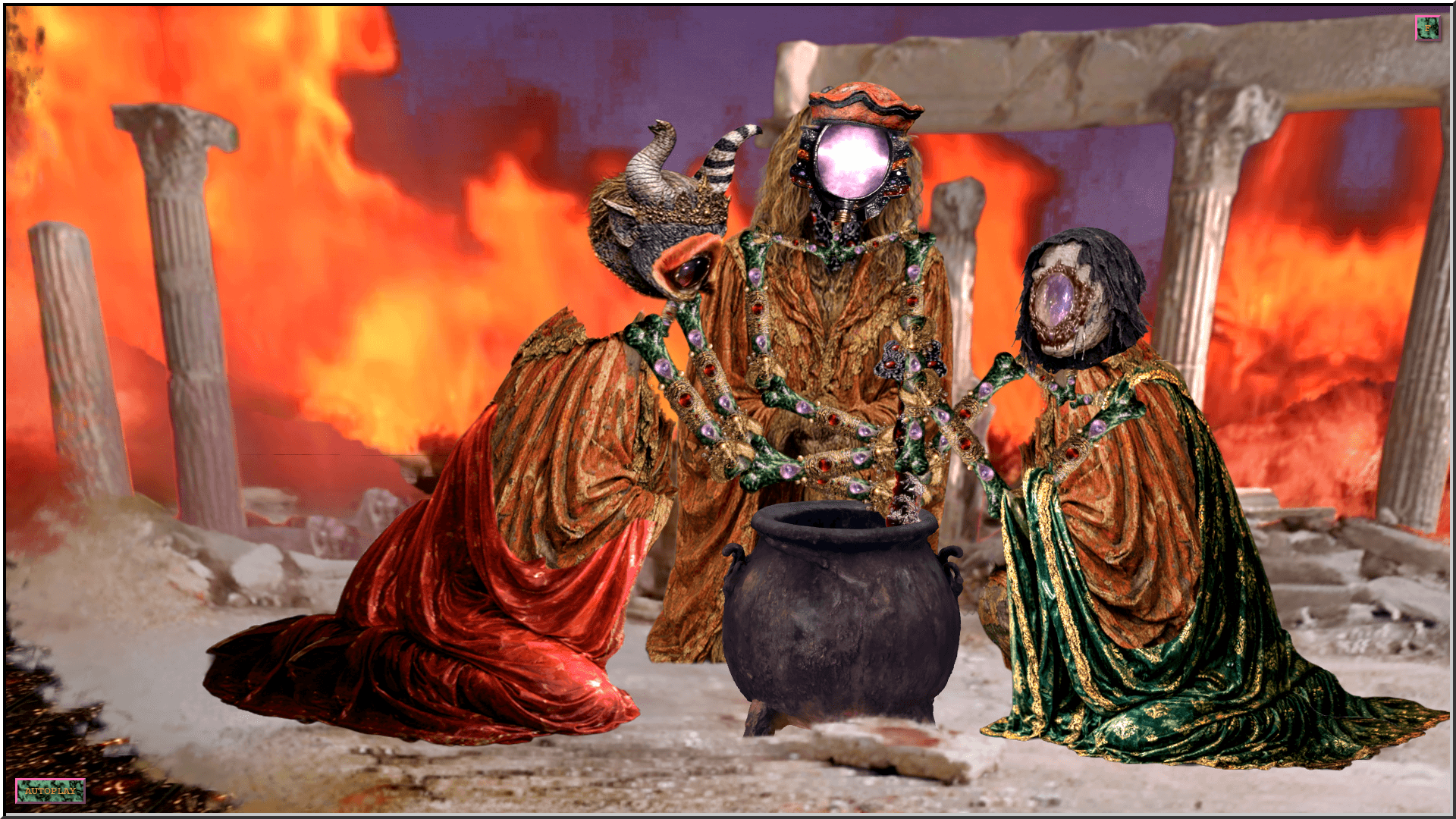
https://www.oculart.com
Marshall McLuhan, seen by many as the father of media studies, famously said that „the medium is the message“. McLuhan, of course, could not have been talking of the internet, since his passing preceded the invention of the World Wide Web by nine years. And yet, his words would never ring more true, than they would in the context of net.art. By net.art I do not mean simply art posted online. To artists familiar with the genre, the internet constitutes much more than just a platform. It is at the same time a tool, a medium, an ideology and, more often than not, the topic. But let's start from the beginning...
With Tim Berners-Lee's groundbreaking invention of the World Wide Web in 1989, the 1990s saw a massive uptick in purchases of personal computers with access to the internet. What needs to be understood here, however, is that the internet at the time was a radically different space, than what we have now become accustomed to. Still uninhabited by traditional media or major social media companies, the "net" felt more intimate and personal. It consisted mostly of small personal web pages, where people wrote about their hobbies and interests, and on-line communication took place through mailing lists and bulletin board systems. There was something intrinsically democratising about the internet at the time. It was in that context that net.art started developing around the mid-1990s. The genre challenged traditional values of artistic production, distribution and authorship, while also encouraging audience participation as a key element of the art itself. Early net artists, like the Dutch/Belgian duo JODI, used HTML code to create purposely glitchy websites, packed with hidden hyperlinks, inviting (or tricking) the user to experience the work through types of interaction that were, at the time, intrinsic to the internet. Others, like the Russian artist Olia Lialina, used net.art's interactive capabilities for storytelling practices.
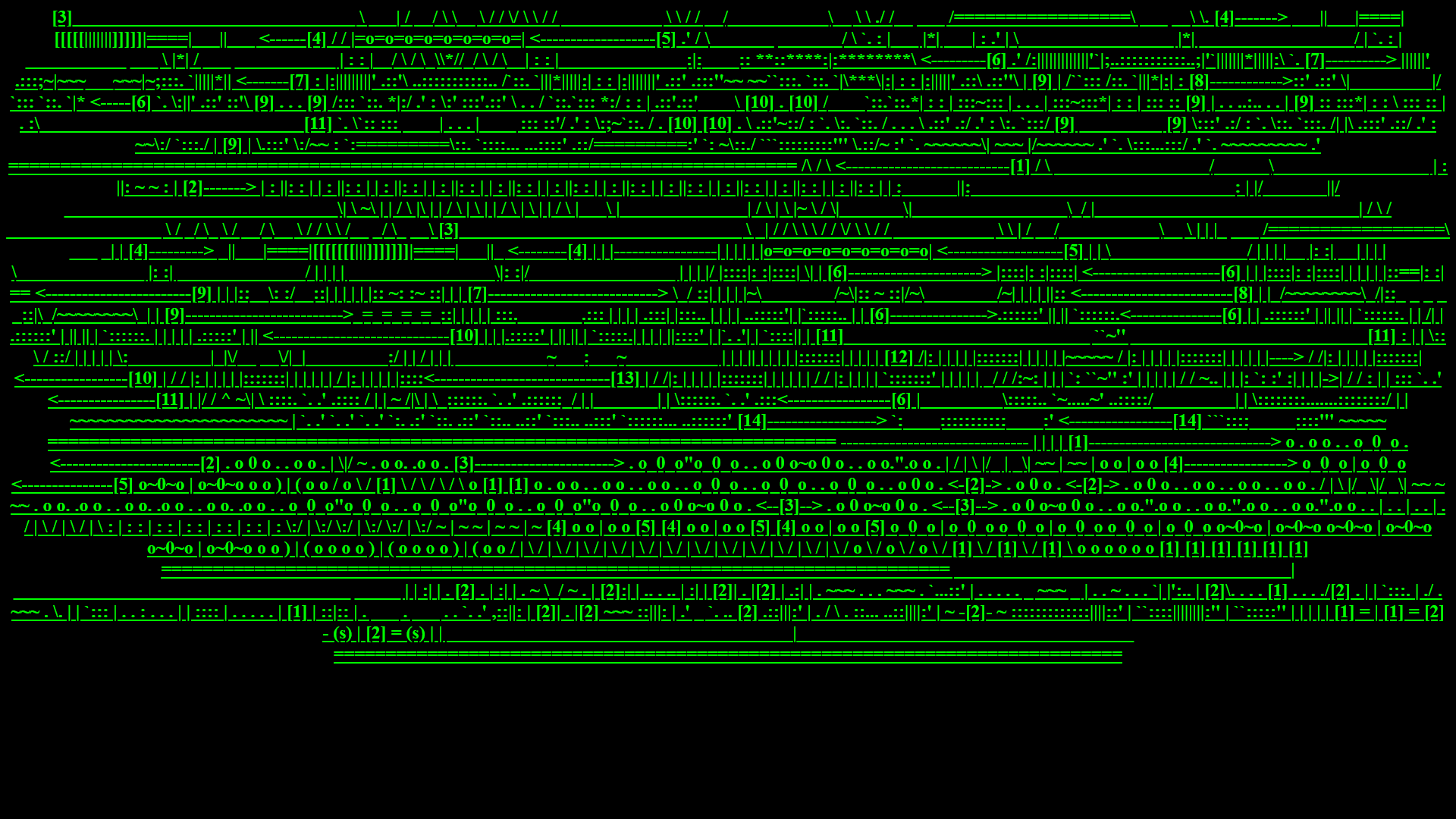
https://wwwwwwwww.jodi.org
Net.art was characterised by extremely low-resolution graphics, pixel fonts, auto-play music and arrays of chaotic pop-ups all mounting up to create an unmistakably Y2K aesthetic. The genre played with the concepts of imperfection, of being broken, on purpose, to showcase the level of abstraction underlying the Internet. It was not always exactly pleasurable to interact with as a user, but that was never supposed to be the point. Net.art was supposed to critically investigate the technology that made it possible from the inside. Does that sound familiar? That's probably because, while net.art itself is probably past its glory days, but the ideas and aesthetics with which it engaged are still very much alive. Net.art has left a blueprint which we can find traces of in our everyday media consumption practices to this day. By that, I do not just mean a return to Y2K aesthetics. Think of critical "AI slop" TikTok videos, which purposely use absurd AI-generated material. Other creators instead draw more from the provocative visual appeal of net.art, employing glittery GIFs and low-resolution images. This does not just apply to social media content. We can see the same trends being explored by established digital artists, like the Amsterdam-based Geoffrey Lillemon. While not all of the artist’s work is exactly browser-based, a key aspect of net.art, he draws heavily on the aesthetic of the glitch and interactivity, which lie at the heart of the genre. Lillemon’s recent success with net.art has been astounding, landing him marketing campaigns for household brands, like Rick Owens, Gucci, and Jean Paul Gaultier, as well as other artists, most notably Miley Cyrus. The popularity of this type of material can only truly be understood as building on the cultural heritage of net.art, employing its unique themes of radical glitchiness to express our shared, increasingly cyborg-like identity.
This revival is not accidental. It is part of a larger trend, driven by nostalgia and a feeling of being deprived of control, which saw Y2K pop right back onto Gen Z's agenda. It is, of course, ironic that we seem to long for an era we could not have experienced firsthand, yet we feel shaped by every bit of it. This notion of Gen Z only experiencing the techno-utopian days of Y2K through media representations of the era makes it fitting that we express this nostalgia through the broken aesthetic of the glitch. After all, critics of today's media landscape would argue that the internet is dead, and has been dead for a while. It therefore makes sense that we look back on it as if it were a grandparent we never got to meet, forcing us to create, more or less accurately, a reconstruction of who/how they were in order to find ourselves. We developed a shared longing for a return to an imagined, more chaotic, less optimized and less centralised internet. And what better way is there to critique the current state of the internet, than through the use of the internet itself to all of its broken capabilities, morphed into tools, media, ideologies and topics for our art.
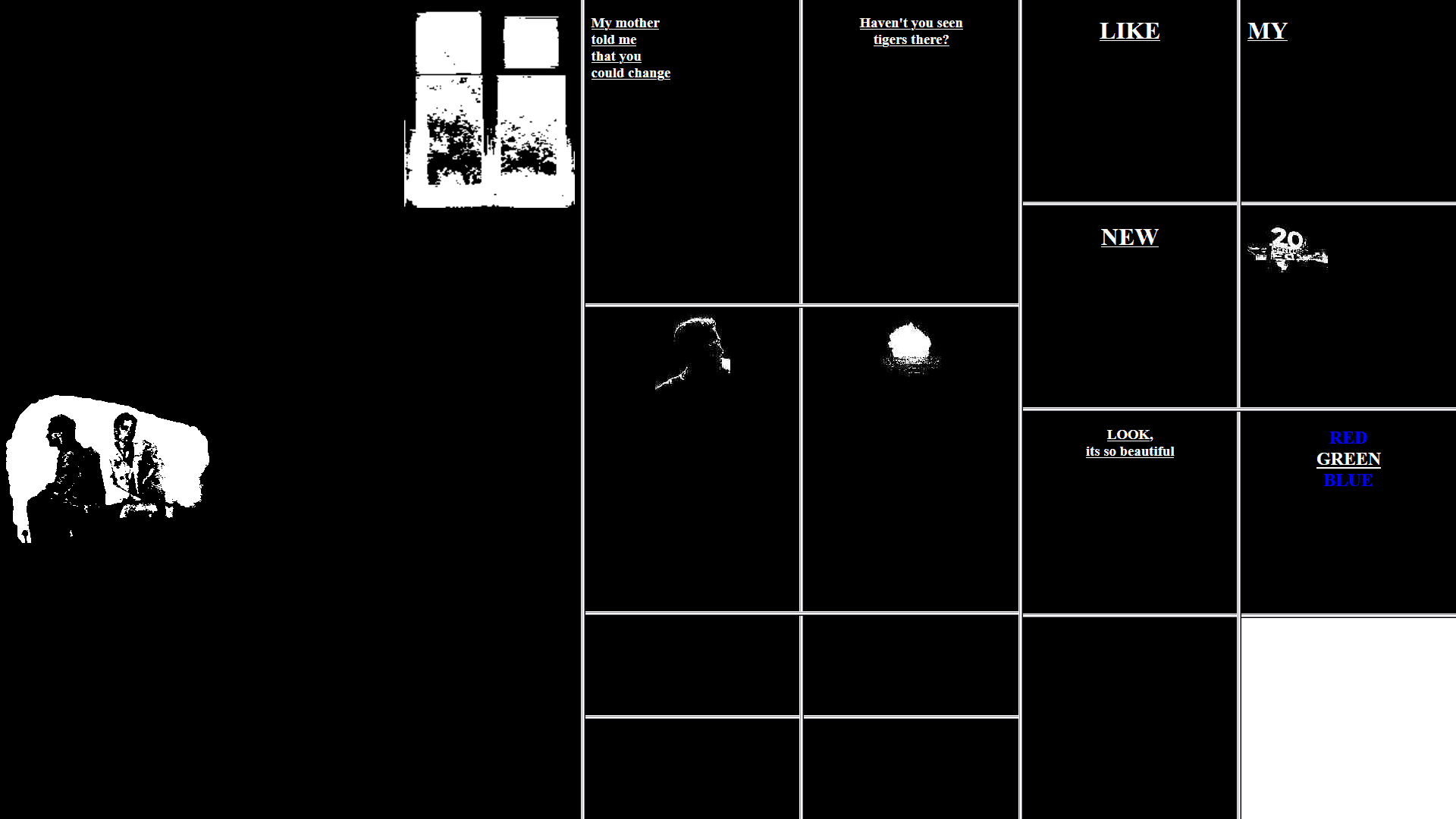
https://www.oculart.com
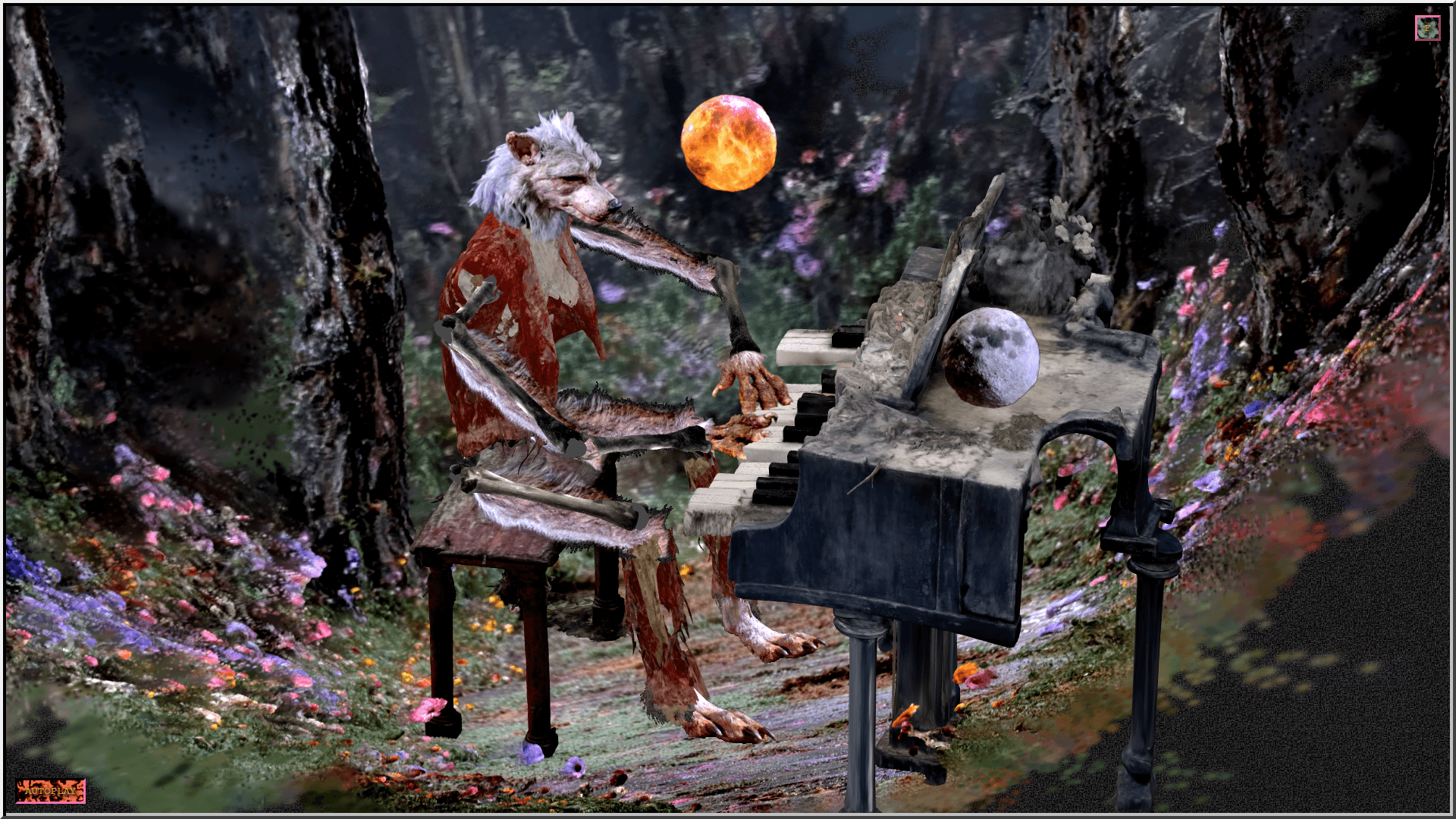
http://www.teleportacia.org/war/war2.htm
Our generation seems to be faced with a peculiar world with technological advance deeply engraved in each one of us, as well as in the world around us. It is therefore always nice to think that we can turn to the power of the glitch to acknowledge its absurdity. In the words of feminist philosopher Legacy Russel: "[the] glitch aims to make abstract again that which has been forced into an uncomfortable and ill-defined material".