


As writers and artists, we may often place a certain emphasis on the intimate caveats of our pain. Feeling as though the only way to produce valuable art is to drag ourselves through the torture of ripping open those scars again. But what does this perspective truly say about our understanding of art and what it means? Here, history has a lot to say about what art truly means to communities or populations defined by a systemic struggle. Revealing to us the contradictions in our own Western traditions.

Suffering, we are told, is what makes art real. The artist who has known poverty, grief or exile is the one most experienced in feeding us truths about the world. Their pain becomes proof of sincerity, a credential the comfortable cannot forge. This is a complicated idea that turns artistic endeavour into martyrdom, and it is also largely wrong. Most of us, reading this article, are fortunate enough to live lives that are colourful and vibrantly tumultuous. We exist in societies and reside in countries that do not explicitly restrict us daily, punish us for the simple mistakes we make or kill us for curiosities we may have. We are free to take advantage of the world around us, and grab a handful of glory from it along the way. As artists, we can look at the world beyond this; examine it, peel it back and decide for ourselves what to do with it. Our inspiration is almost premeditated in that we can create, write, and produce things not from a need for survival but from a position that allows inspiration to ebb and flow slowly.
From this very position we have, rather ironically, come to try and rid ourselves of our very own comfort. The “struggling artist” was once a credential, a cultural mythology, at times attached to a community, that summoned creative power within personal suffering, it has instead become a convenient costume that people throw on to convince themselves, and others, that their creativity means much more than it does.
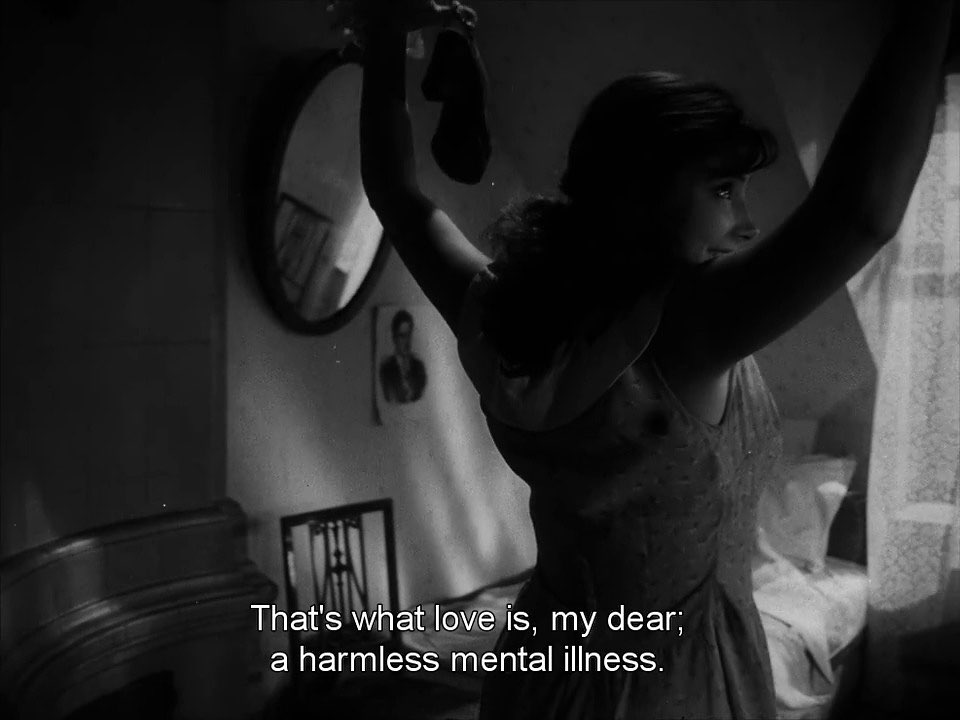
The very mobilisation of the struggling artist identity speaks to a larger theme of idealisation; we have reached a point where suffering, pain and misery are romanticised. We do it to our own suffering, to the suffering of others and within this, we create a myth for ourselves that our pain is inspiring, that it becomes useful once it becomes legible. As humans, we create myths and realities for ourselves all the time, yet this romantic idea of struggle and suffering is one that deeply misunderstands the very function of art within spaces and communities truly defined by struggle. For communities, say, inside a Harlem ballroom in 1987 or for audiences inside a Soviet cinema room in the 1950s, this was an epoch of struggle, and not a malleable or useable identity that could be shaped and “practised” .


@sanmarin0