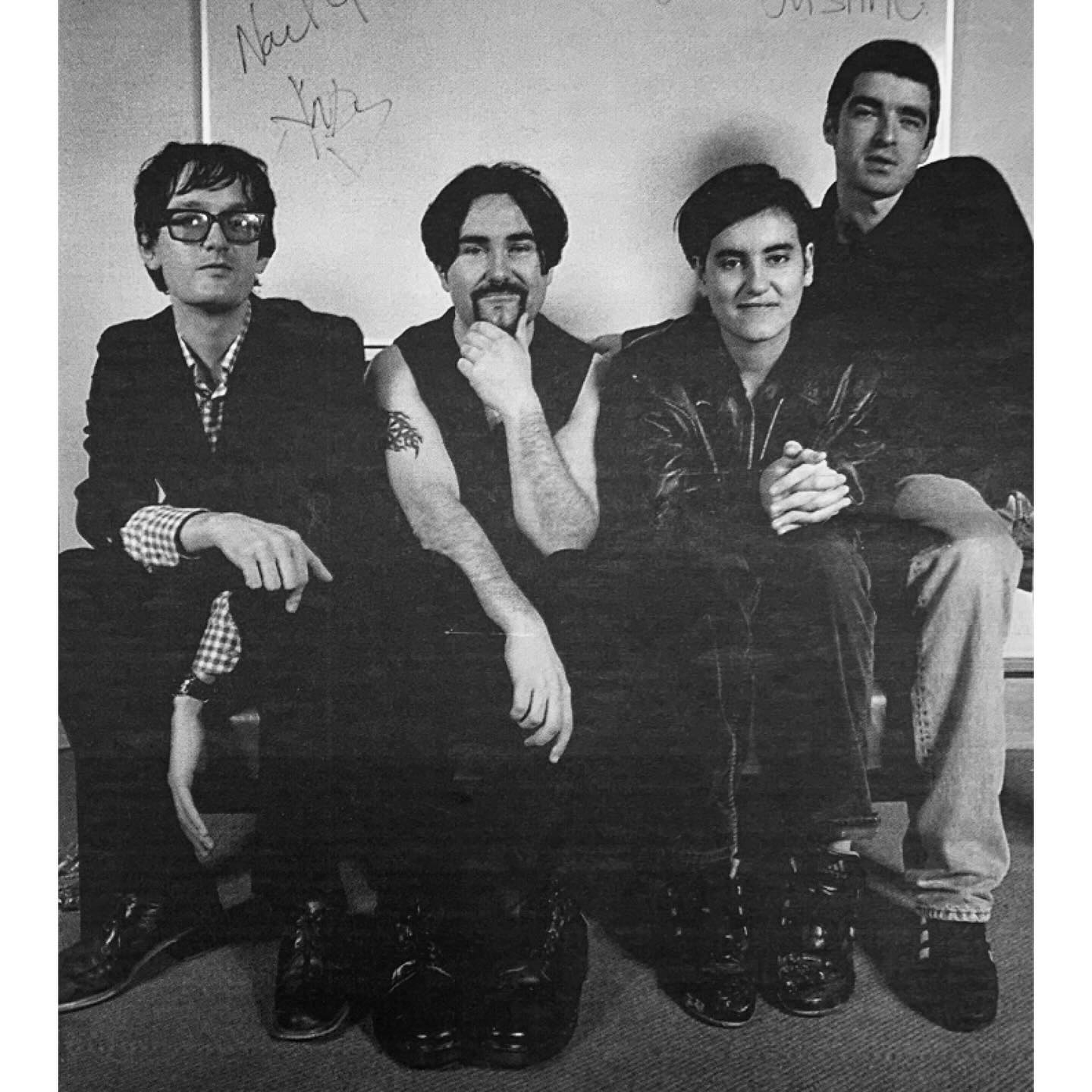
Britain is bold, Britain is creative, Britain is spewing at the brim with righteousness and pride. Even on the international stage, Brits can come together and fight for what is theirs. Whether it be in the World Cup or in some arbitrary battle on social media regarding what it means to be a “common person”, Brits will and can unite. In the face of their past injustices, Britain has honed the power to overlook, ignore and misinterpret. Yet, Britain is powerful, organised and the perfect place to be in when you want to remind yourself just how bad things can get. Cool Britannia, Brexit, the Euros, Nigel Farage, as much as Brits can unite in their nostalgic harmony, they can also repel, dismiss, and be extremely divided on matters that, in fact, concern their utmost unity.
Recently, in the face of the World Cup rivalry, a certain type of collective memory has been recited. The type that indulges in the previous format of Britain’s greatness. Immortalising the times of Oasis, Blur and Kate Moss, reigning supreme over us once again, yet this time these figures are rendered from memory rather than reality. England is no longer this kind of England, where Britpop and the Union Jack are symbols of a cultural hegemony. Images of these times are no longer linked to a lived identity, they are a packaged, exported and reissued nostalgic tool. Whilst then, this England appeared to embrace its scars in the pursuit of freedom. Its newly baptised creative genius and national pride were directly linked to, not just nostalgia but, a rather regressive line of thinking that relied heavily on the exclusion of several racial communities.